.png) 3 months ago
84
3 months ago
84
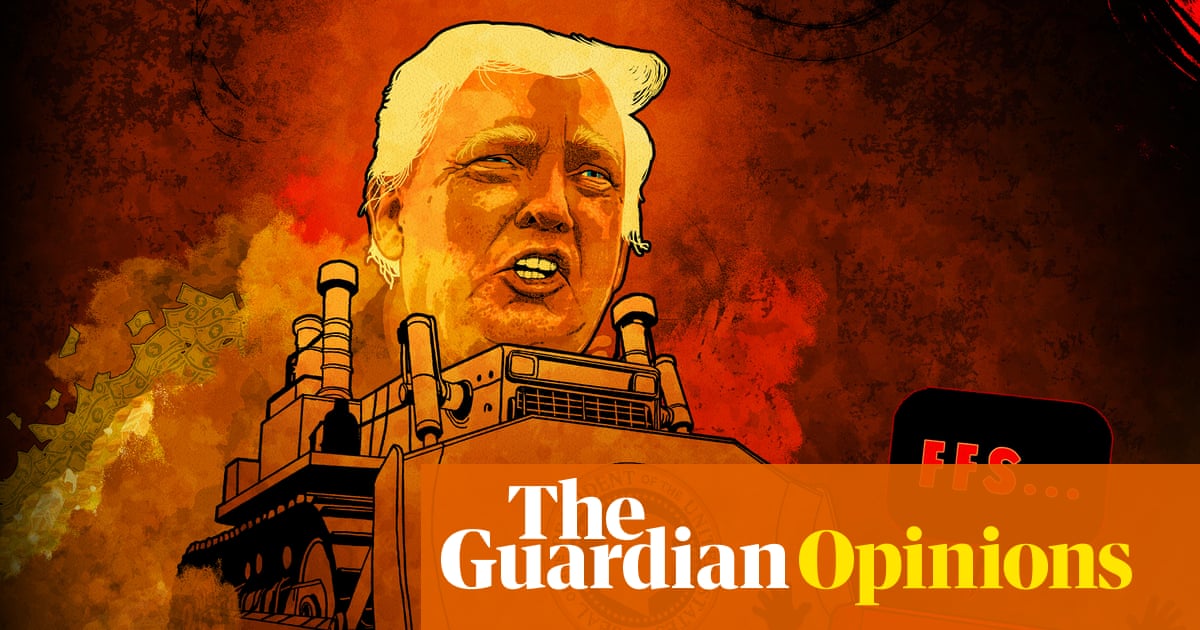
In a carefully coordinated publicity stunt last week, Donald Trump received a McDonald’s takeaway order from delivery driver Sharon Simmons, a 58-year-old grandmother of 10 from Arkansas. Simmons, a Trump supporter and advocate of his “no tax on tips” policy, testified before Congress last year that she began working as a delivery driver for the takeout app DoorDash in order to help cover the cost of her husband’s cancer treatment.
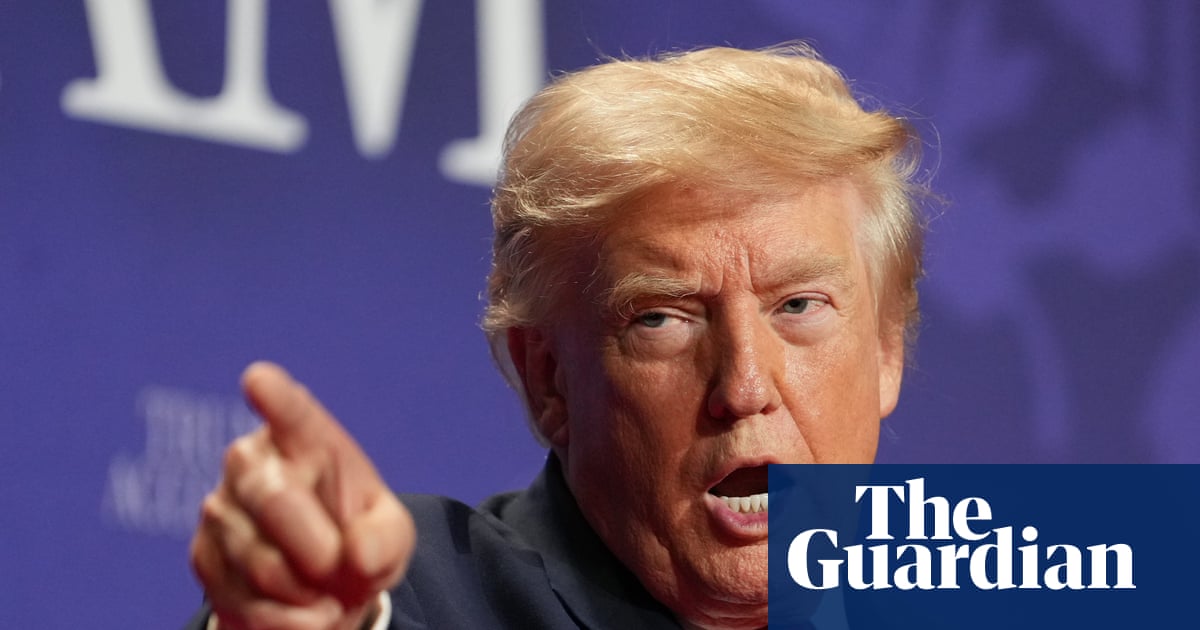
The photo opp should have been a slam dunk for Trump: a simple way to promote one of his policies in the company of a sympathetic advocate and beneficiary. But Trump, in characteristic fashion, could not resist the urge to insert a non sequitur about one of his own grievances: trans women athletes. “Do you think men should play in women’s sports?” Trump asked Simmons. “I really don’t have an opinion on that,” she replied, showing considerably more message discipline than the president. “I’m here about ‘no tax on tips’.”
It was a small but revealing moment. Trump’s approval rating is plummeting to new lows, and his working-class support is crumbling. He won a second term on the back of ordinary Americans’ widespread anger at inequality and dissatisfaction with their economic prospects, and yet his return to office has been marked instead with a fixation on culture-war grievances that many of those supporters find alienating.
Trump’s victory in the 2024 presidential election was once seen as a definitive cultural shift, proof that his aggressive, domineering style of rightwing populism had found permanent purchase in US politics. Pundits hailed the triumph of conservatism; institutions scrambled to adjust to the new dominance of a regime with authoritarian aspirations. This was always a suspicious claim: was a narrow victory in one close presidential election really a sign of a broad and permanent cultural shift?
Less than 18 months later, that thesis has collapsed. Trump and his allies have delivered an era of backlash and cultural retrenchment from the executive branch: slashing grants for “woke” research; turning federal programmes meant to promote equality into engines for discrimination; stymying promotions for women and people of colour in the armed services in what critics say is an effort to resegregate the military; and pressuring athletic conferences from the National Collegiate Athletic Association to the International Olympic Committee to ban trans women athletes.
They have made their cultural values felt in pervasive and sadistic ways. Americans see ICE officers patrolling their airports and tanks on the streets of major cities; they see their neighbours being snatched away by immigration agents; and they see the costs of housing soaring out of reach as the construction industry workforce dwindles as a result. They see Trump and his friends posturing on television, complaining over and over again about issues that their side has already won. And they also see the signs posted at their local gas station, where the price has now soared from an average of $3.10 a gallon in 2025 to more than $4.
In the aftermath of the 2024 election, many political commentators blamed the Democrats’ loss on the party’s supposedly excessive embrace of the social movements of the 2010s. The party had focused too much on culture-war issues, these pundits said, and not enough on economics. They pointed to a particularly popular and effective ad that the Trump campaign ran during the 2024 cycle, which focused on Kamala Harris’s support for publicly funded transition care for transgender prison inmates. “Kamala is for they/them,” the ad said. “Trump is for you.”
It’s not clear to me that the Democratic party, which has often abjured its own left flank and frequently shied away from commitments on social issues, really did lean too hard into the culture-war agenda. But it is true that the Republicans claimed it did. Their own campaign, meanwhile, was a festival of male grievance and resentment, celebrated by the celebrities of young men’s online subcultures and touted on manosphere podcasts; it is these people whom the Trump administration, now restored to power, seems to see as its truest constituents, and it is these people whose interests and desires it has tried to serve.
But outside these online rightwing worlds, the ordinary, workaday voters who swung for Trump in 2024 are wondering what, exactly, they signed up for.
What if the 2024 election was not, in fact, a revolt of a deeply and permanently socially conservative American people, but a plea for change from a working class that has long felt that it was falling behind? What if the gender and racial grievances that have long animated Trump’s most ardent supporters were not, in fact, the basis of his victory? What if the truth is that lots of people voted for him because they thought he would send employment up and prices down, and, now that he hasn’t, they have buyer’s remorse?
That would certainly explain the poll numbers. Trump’s approval rating has sunk to a dismal 37%; a shocking 63% of Americans now say they disapprove of how he is handling the job. It’s little wonder: a lame duck whose underlings are already openly vying to replace him and whose once lockstep Maga coalition is now fracturing under internal pressures, he hasn’t been able to get many of his much-touted policy proposals done. The supreme court threw out his tariffs, his signature economic policy, and seems poised to abort his attacks on birthright citizenship. His draconian immigration crackdown, and mass detention and deportation programme have alienated many of the Latino men who moved towards his party in the 2024 elections. The Epstein scandal continues to humiliate him and his allies. Prices continue to rise even as domestic employment and wages remain stagnant.
And, now, he has made the exact same mistake as his Republican predecessors did – one for which he once lambasted them when he launched his own political career: he has begun a regime-change war in the Middle East that he has no chance of winning. Now, ahead of November’s midterm congressional elections, Trump is increasingly unpopular, failing in his major policy initiatives and presiding over a fracturing coalition. The Democrats, ever eager to snatch defeat from the jaws of victory, have yet to put forward a coherent agenda to counter him. But maybe they don’t need to. Never interrupt your enemy when he is making a mistake.
-
Moira Donegan is a Guardian US columnist