.png) 3 months ago
73
3 months ago
73
The owner of the Guardian has announced the next phase of its 10-year restorative justice plan to address and atone for the news organisation’s historical links to transatlantic enslavement.
The Scott Trust launched the Legacies of Enslavement programme in 2023, acknowledging that the founder of the Manchester Guardian, and his backers, profited from the enslavement of African people in Jamaica and the US.
Three years on from the launch, the Scott Trust said it had made “significant progress”, following hundreds of community engagement meetings, expanding Guardian coverage of the global Black diaspora and schemes to improve media diversity.
The plan (pdf), for 2026-2030, promises to build on the programme’s initial commitments and sets out how it will continue to pursue restorative justice and meaningful repair.
Over the next four years the Scott Trust will invest in supporting the priorities identified by the descendant communities in Hanover, Jamaica, and the US Sea Islands, allocating several million UK pounds through partnerships with community led organisations and institutions.
These include improving access to quality education and skills training; supporting community land and property rights; funding economic and climate justice initiatives; convening community conversations centred on repair and healing and helping to preserve cultural heritage and honour the memories of those who were enslaved.
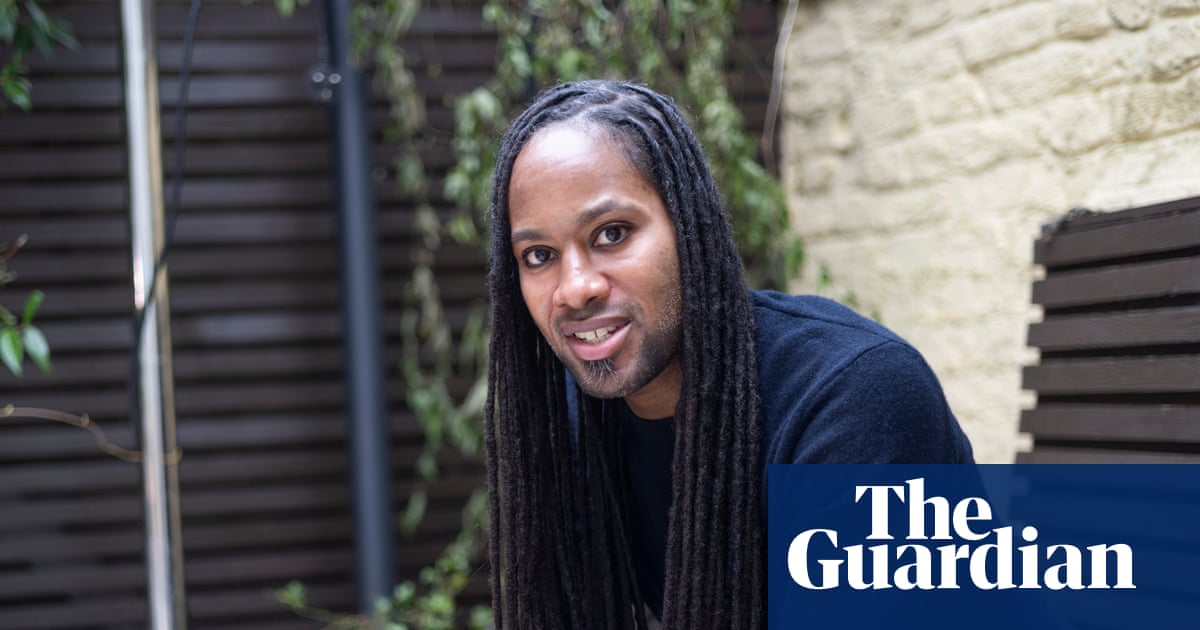
Ahmed Reid and Angel Parson have been appointed as programme managers to further the Guardian’s work in Jamaica and the US Sea Islands, respectively. Reid and Parson join Keisha Thompson, the programme manager for Manchester, who was appointed in September 2024. The team, led by Ebony Riddell Bamber, has conducted open town hall meetings in the US Sea Islands and Jamaica, as well as sought opinion with community members, reparations experts, civil society and institutions.
In Jamaica, the programme is assisting the community in Hanover with reconstruction efforts after Hurricane Melissa. In Manchester, where the Guardian was founded, work is under way on a landmark exhibition exploring the city’s relationship with cotton and enslavement to be launched in early 2027 in partnership with the Science and Industry Museum, as well as convening grassroots groups to support broader work.
The next phase of plans include sharing new academic research, raising awareness of the UK’s role in transatlantic enslavement and its enduring impact, and increasing accountability through the Guardian’s journalism and Cotton Capital series.
This builds on the past three years of progress, which includes eight new correspondents covering east and west Africa, the Caribbean, South America and expanding the Guardian’s race, health and community affairs teams in the UK and US; the launch of the Long Wave, a weekly newsletter on Black life and culture around the world; and expanding bursary and traineeship schemes in the UK, US and Australia to improve media diversity.
Ole Jacob Sunde, the chair of the Scott Trust, said: “The Scott Trust is deeply committed to this programme of restorative justice. I would like to thank everyone who has contributed to the journey so far. We are grateful to the descendant communities in Jamaica, the US and UK who have taken the time to share with us how we can make a meaningful impact in this next phase of the programme. I look forward to the work ahead.”
Katharine Viner, the editor-in-chief of Guardian News & Media, said: “This work has widened the lens of the Guardian’s journalism, diversified our team around the world and amplified stories from underrepresented communities and regions. As we enter this next phase of the plan, our focus is on making changes that are meaningful, significant and long-lasting to the lives of those affected.”
The Guardian is also relaunching the Cotton Capital newsletter, which will explore the legacies of enslavement and reparative justice around the world each month.
Join the Guardian for a special free live event on Thursday 2 July at 7.30pm (BST), exploring the programme’s progress and challenges, featuring insights from reparatory justice experts and practitioners on how a media organisation can atone for a history linked to transatlantic enslavement.