.png) 3 months ago
100
3 months ago
100
Nick Evans is staring in vain at columns of numbers, trying to make them add up to a profit. He is a co-owner of the Old Crown Coaching Inn in Faringdon, Oxfordshire, a pub and hotel whose rich history is etched into its crooked wooden beams and cosy snugs.
Oliver Cromwell stayed here in 1645. A room believed to have been used by the notoriously severe “hanging judge” Lord Jeffreys to condemn rebels now stages happier encounters: it is the honeymoon suite.
As a former City trader, Evans is no stranger to profit. But this is hospitality, a sector that has known nothing but sucker punches since the onset of Covid-19.
The latest bruising blow to the industry is a triple whammy. The Old Crown is one of thousands of hospitality businesses grappling with a punishing increase in costs courtesy of a rise in the minimum wage and to business rates, which kicked in from the start of April.
On top of that comes the Iran crisis and the resulting surge in energy prices – oil and gas are still well above prewar levels despite the drop after the overnight announcement of a two-week ceasefire – which will increase the cost of buying ingredients and keeping guests warm. Those same customers are themselves braced for an impact on their disposable income, meaning they are less likely to push the boat out.
“The only way you can make it work is to have a microwave, staff who can open a packet and put it on a plate,” says Evans. “That’s not the reason we entered this industry,” he says, glancing at his co-investor, Mike Webb, a fellow City retiree.
The pair bought the business for £625,000 shortly after the pandemic and have spent a similar sum to knock it into the charming hostelry it is today. They own the freehold and also rent two other pubs from the brewing business Greene King.
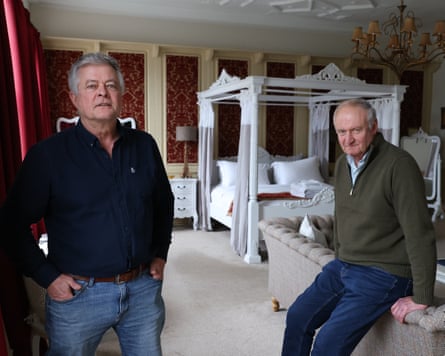
At the Crown, they want to open another six rooms to get to 20, a project that would set them back another £350,000. “That would allow us to grow and would also create work for construction workers, carpet fitters and handymen from the area, who all pay tax.” But, Evans says, everybody in the industry has stopped investing.
With conditions as they are, that plan won’t be possible. A rough version of an accounting spreadsheet, sketched out by Webb in ballpoint pen, illustrates why.
Overall annual revenue, including VAT, is about £1.4m, up from £440,000 when they took the place on. The cost of the drinks served at the bar and the ingredients whipped up into appetising meals by the head chef are about £430,000 and rising.
Beef prices for the pub’s steaks have soared, while beer and wine merchants are asking for more, too. To make a sustainable margin, the pub would have to charge prices that customers simply won’t pay.
“Diageo is about to put Guinness up, so the cost of a pint would need to be close to £8,” Evans says. “We can’t increase our prices any more without people not coming in.”
Water bills add another £20,000 to the annual costs column, while laundry, cleaning and maintenance are about £100,000, and a similar sum goes out on rent and insurance.
Then there is the looming spectre of surging energy bills. The energy consultancy Cornwall Insight has said some firms risk being locked into high-priced energy deals if they renew at the wrong time, while others may not be able to get a fixed-rate deal at all.
Ofgem, the energy regulator, has written to suppliers and brokers reminding them to “treat their customers fairly”, but Kate Nicholls, the chair of UK Hospitality, predicted that the sector could be “hurtling towards another energy crisis”.
The Crown’s annual gas and electricity bill is about £80,000 and its supply contract has to be renewed in July. A significant rise – of several thousand pounds annually – is on the cards if there is no resolution in Iran, Evans says.
Even after all that, the business is still making a small trading profit. But that is when VAT of £234,000 has to be paid. UK hospitality businesses pay a far higher rate than counterparts in European countries, an enduring grievance expressed by tens of thousands of companies across the sector. A further £45,000 in national insurance contributions helps plunge the business into the red.
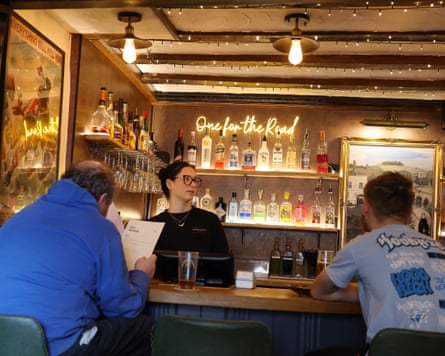
Nearly every line on the cost and tax side of the balance sheet is rising, often owing to geopolitical circumstances beyond anyone’s control. But the two that are going up as of last week are the result of policies introduced by a government desperate to increase tax receipts to spend on crumbling public services and state support for those who need it most.
The wage bill at the Crown is about £350,000 but when payday hits at the end of this month that will rise to nearly £370,000 with the minimum wage increases. That comes on top of the increase in employers’ national insurance contributions, part of the chancellor’s first budget in 2024, that opponents have described as a tax on jobs.
Evans says he is not a “Scrooge” and supports higher wages. However, he says that the inevitable impact, given the pressure on the sector, will be felt most by young people – many of whom were already struggling to find work – and women in particular.
“You’re running the risk of pricing young people out of the market,” he says, referring in particular to hikes in the wage floor for under-21s.
“We take 16-year-olds who know social media and doomscrolling all day long but when it comes to talking to a customer they’re shy and don’t like picking up the phone. We take them from ground zero to being rounded individuals. But now I might as well hire an adult for a pound more.”
He argues the national insurance change is inherently misogynistic because it disincentivises employers from hiring part-time workers, often mothers seeking extra income. “We’re looking for full-time people because otherwise I’m paying the extra contribution four times when I could pay it once.”
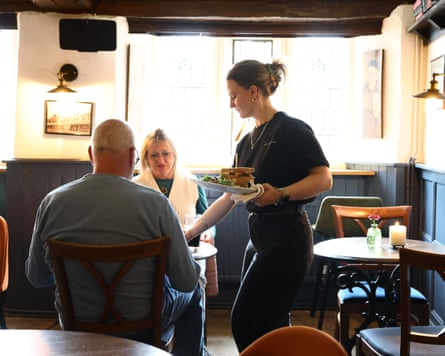
Then there is the sector-wide increase in business rates, which also kicked in on 1 April. Pubs get a 15% discount and a two-year freeze. But even though the vast majority of people ducking to avoid head-butting the Crown’s low doorways are here for a pint, the fact the venue has 14 rooms means it is classed as a hotel and does not get the money off.
That means another £24,000 bill, no profit at all and costs that are going up even as consumers rein in their spending to reflect turbulent times.
“We can’t sustain a business employing 20 people if we end up losing money. We’ll have to just say let’s go and live in Spain, we don’t need this shit any more,” Evans says.
UK Hospitality’s Nicholls says this is exactly what many businesses will be thinking, with a recent survey showing that one in five fear they may not survive the next 12 months.
“Our pubs, restaurants, cafes and hotels are unable to absorb any more cost, so hikes will simply be passed through to the consumer, driving inflation and hitting jobs,” she says. “For some it will be the final nail in the coffin and they’ll have to shut for good, like too many before them recently have.”
For now, retirement to Spain is on hold at the Crown. Instead, Evans and Webb are off to phone HMRC and beg the tax collector to agree a more lenient payment plan for their VAT bill. “It’s been a struggle,” Evans says. “It’s tough, tough, tough.”