.png) 3 months ago
66
3 months ago
66
Entomologists in England are expecting a surge in slugs coming out of hiding to munch the nation’s strawberry plants after weeks of sun followed by wetter weather has caused a bumper crop.
The Royal Horticultural Society is bracing for a surge in inquiries from its 625,000 members, who write in with their garden gripes. Workers at the RHS have also noticed a spate of slugs in the charity’s gardens, including Wisley in Surrey.
Recent hot conditions, including record-breaking heatwaves, forced slugs into hiding. But now, according to Dr Hayley Jones, the principal entomologist at the RHS, the gastropods will be re-emerging, ravenous, into the damp conditions caused by this week’s torrential rain.
“We have had such a long dry spring that they are all going to pop up at once. Slugs are really good at hiding out when conditions are not ideal and then popping out,” Dr Jones said.
She added: “They will be really hungry and all coming out at once into people’s gardens.”
This is a bad time for a horde of hungry gastropods to be entering gardens; strawberries, for example, are fruiting early because of the sunny weather. Many people are also planting beans and lettuces after recent warm days.
“Lots of vegetables are being planted at the moment. Strawberries are ahead of schedule for fruiting and slugs like to feed on them. A bit of leaf damage doesn’t make much impact but when they feed on the fruit that is a problem, we don’t want to be sharing fruit with slugs,” she said, adding, “The seedlings have only just gone out and if they get fed on now then it might slow down their growth.”
However, gardeners should “ideally not” kill the slugs, no matter how irritating they are, Jones said. “They are just part of garden biodiversity trying to survive so we’d rather they didn’t get killed.”
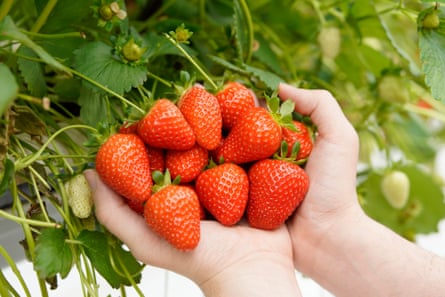
Instead, she recommends spreading straw around the strawberries as slugs don’t like crawling on it, and keeping unplanted seedlings in for a bit longer, and putting them higher up such as on a garden table.
For those plagued by gastropods, Jones also recommends: “Night-time searches to find slugs and relocate them, preferably to your compost heap as then they will be just helping with the recycling process.” Asked whether they could be deposited in a neighbours’ garden, she said: “I don’t know if that’s good for neighbour relations.”
“If you can’t be convinced to live and let live then don’t reach for the slug pellets as that can poison other wildlife. Nematode bio controls, targeted in the vegetable patch, only harm slugs and not other creatures,” she said.
Britain’s leading garden charity used to refer to slugs as pests and advise on how to get rid of them. But since 2022, they have banned the word “pests” and instead advise gardeners that slugs “play an important role in planet-friendly gardening and maintaining a healthy ecosystem”.
They do, however, remain the creature about which the charity receives the most complaints.
How to keep slugs from eating your plants
If slugs and snails are causing problems with your favourite plants, the RHS has provided some gastropod-friendly methods to remove them gently.
-
Slugs love a young, vulnerable seedling, so transplant sturdy plantlets grown in pots. These can then be given some protection with cloches.
-
The leaf-munching creatures are excellent for compost heaps as they get rid of dead and decaying matter, helping turn your waste into lovely compost. So why not go out with a torch on a mild evening while the weather is damp, and hand pick slugs into a container? These can then be placed either into a compost heap, where they can feast on all your garden waste, or near less vulnerable plants.
-
Some gardeners do strategic planting, making sure to put plants slugs find delicious near their favourite plants so these are eaten instead.
-
Why not dig a pond to encourage frogs, which will do slug elimination for you without the guilt of setting down poison pellets or drowning them in beer. It’s better for the ecosystem, too.
-
Encourage birds with a bird feeder – especially during spring when the young can be fed with a juicy snail.
-
Raking over soil and removing fallen leaves during winter can allow birds to eat slug eggs that have been exposed.