.png) 1 hour ago
3
1 hour ago
3
Botswana nearly defeated malaria. In 2024, we recorded just 290 cases and one death. Through our elimination efforts, many of our districts had seen no local malaria cases since 2010. Then, as is unfortunately the nature of malaria, it came back.
In the first 23 weeks of 2025 we recorded 2,223 cases and 11 deaths. The disease reached places where previously there was no malaria. We were not alone. Namibia recorded more than 95,000 cases in 2025, and Zimbabwe more than 156,000, according to government figures.
Botswana, Namibia and Zimbabwe were all affected by a perfect storm of threats. External resources fell rapidly and are continuing to fall. The mosquito is evolving and becoming resistant to the traditional insecticides used on our nets and for spraying. In addition, partial resistance to our frontline medicines has been confirmed or suspected in eight African countries. Severe weather events, including flooding and higher temperatures, are increasing malaria mosquito populations and malaria cases.
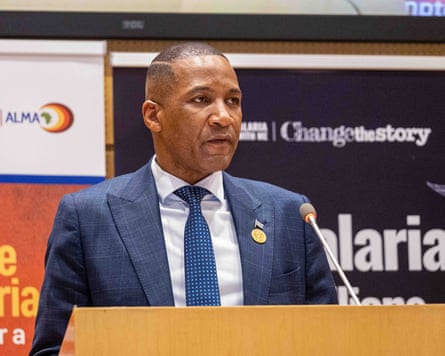
I begin with my own country and our neighbours because they offer a clear demonstration of the results of these combined threats. Malaria is a disease of poverty and persists in those countries with the least financial capacity and resources to mount an effective response. African Union (AU) member states suffered 96% of the world’s malaria cases and 97% of malaria deaths in 2024.
As we have seen time and time again, malaria does not wait for a funding cycle to conclude and can resurge in just one season. One missed spraying round, or one mosquito net campaign that slips a season, is enough for the malaria mosquito and parasite to destroy progress that took decades to win. Most diseases give a country years of warning, while malaria may only give it months. That is why, when the financing tightens, malaria is the first disease to come back.
The Africa Centres for Disease Control and Prevention records a fall of about 70% in health assistance to Africa since 2021, and the Organisation for Economic Cooperation and Development, which tracks what donor governments spend, projects a further fall of between 29% and 46% in aid for health by the end of 2026. The Global Fund’s latest replenishment raised $12.64bn (£9.45bn) against an $18bn target, and as a direct result allocations to countries have reduced.
Modelling by the African Leaders Malaria Alliance and Malaria No More UK predicts that a 30% cut in malaria funding could lead to 146m additional cases and 397,000 deaths across sub-Saharan Africa by 2030, three-quarters of them children under five. Additionally, it would cost the continent as much as $37bn in lost economic output.
Africa’s leaders have already decided what needs to be done. In Accra in July, our heads of state and government adopted the Accra declaration on the implementation of the AU roadmap to 2030 and beyond, committing us to finance our own health systems and for our performance against its targets to be measured every year. It elevates the roadmap as our continental framework for health sovereignty, resilience and self-reliance, and commits us to reduce dependence on external funding. It reaffirms the earlier Abuja declaration, in which we undertook to spend 15% of our national budgets on health. Leaders also committed to accelerate the Pharmaceutical Manufacturing Plan for Africa and the African Pooled Procurement Mechanism, to make the African Medicines Agency fully operational, and to press for the transfer of technology, scientific knowledge and manufacturing processes to facilitate the development of innovative tools and commodities in Africa.
Several African countries are already leading the way. Benin took its malaria budget from $1.7m to $6.3m in the three years to 2025. Ghana has uncapped its National Health Insurance Levy, releasing about $300m for health this year, and expects domestic funds to cover 72% of its health spending in 2026. End Malaria councils and funds now operate in 14 countries and have raised more than $245m from business, faith leaders and philanthropy, demonstrating the value of public-private partnerships and the economic benefits of malaria control and elimination.
A full transition to domestic financing of health is the solution. But the lack of financial capacity in many of our countries means that bridge financing will be required during this transition phase to reduce the risk of malaria resurgences across the continent. As we transition to this new model, support from global partners will still play an important and valued role in keeping two decades of hard-fought gains alive long enough for the transition to be completed.
after newsletter promotion
This has been done before, at exactly this point in the cycle. Twenty years ago, the World Bank’s Malaria Booster Programme committed more than $1bn to supplement existing resources and support achievement of the UN’s millennium development goals. And it worked. For example, malaria cases among Zambian children under five fell by 29% and deaths by a third.
African countries had ambitious plans, and the political will was there, but unfortunately financial resources ultimately fell short of what was needed. Most of Africa faces a similar situation today. The political will and technical knowhow are there, but the financial resources remain insufficient. Africa therefore urges the World Bank to deliver a second Malaria Booster Programme to bridge the gap and support countries to transition to sustainable domestic financing. Countries should also include malaria within their health compacts.
The destination is not in doubt. African countries are determined to pay for their own malaria and health programmes, and a growing number are already doing this. Collectively, we must get this transition right so that the children born in Africa this year become the first generation to grow up on a continent where malaria is a memory. That is within reach, and the decisions needed to make this vision a reality are being taken now.
-
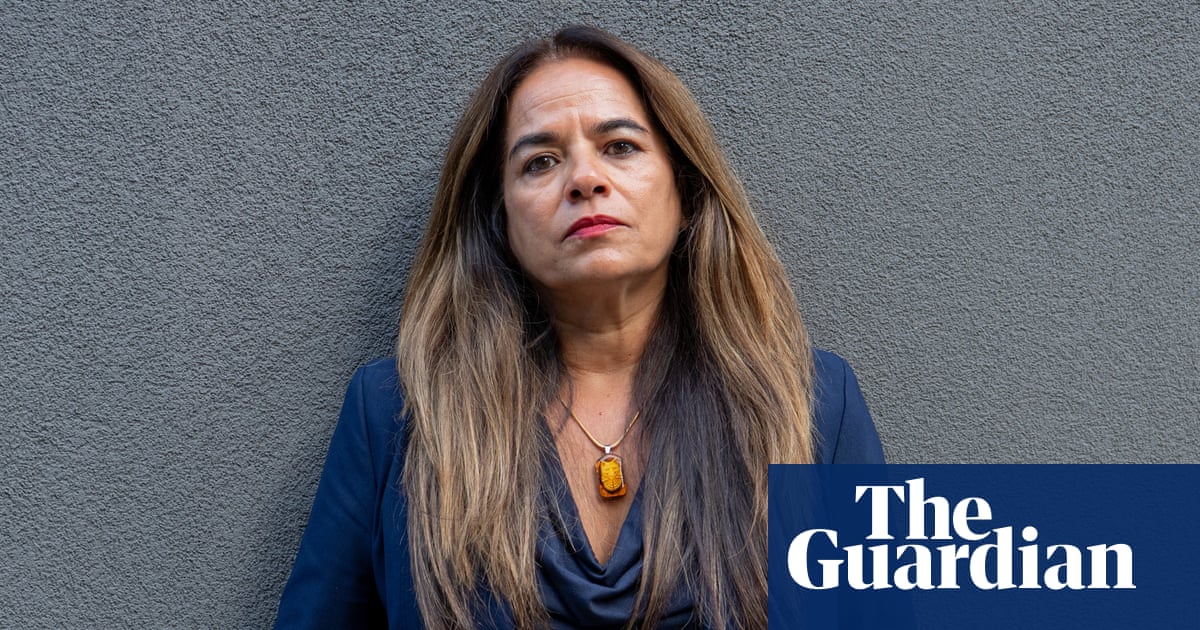
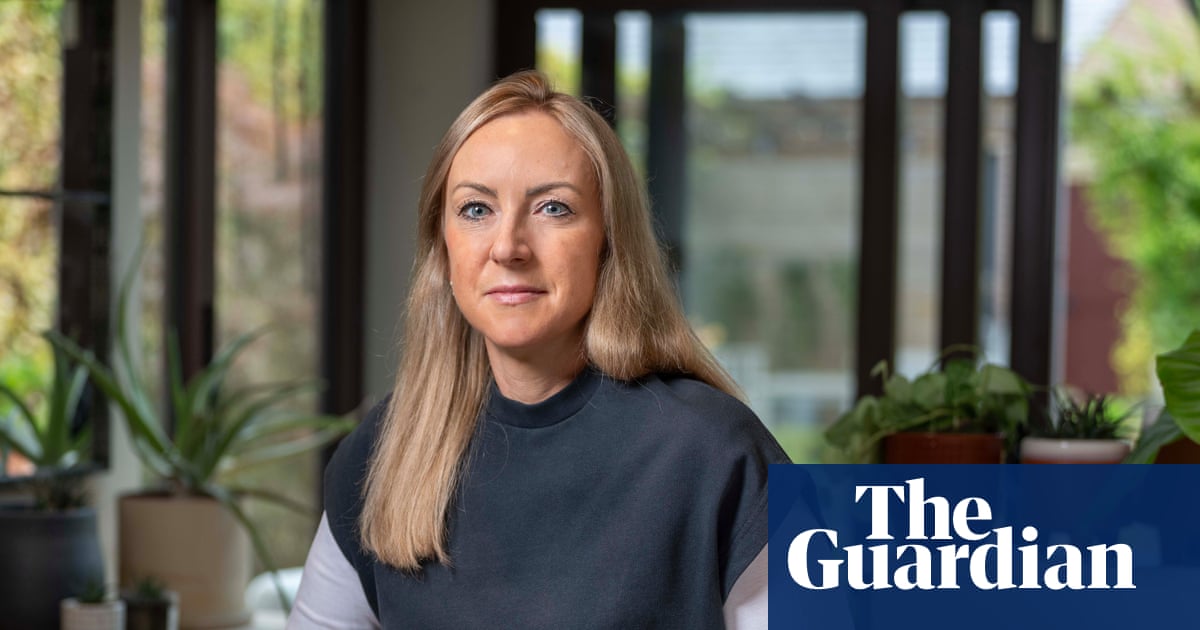
Duma Gideon Boko is president of the republic of Botswana and chair of the African Leaders Malaria Alliance