.png) 1 month ago
49
1 month ago
49
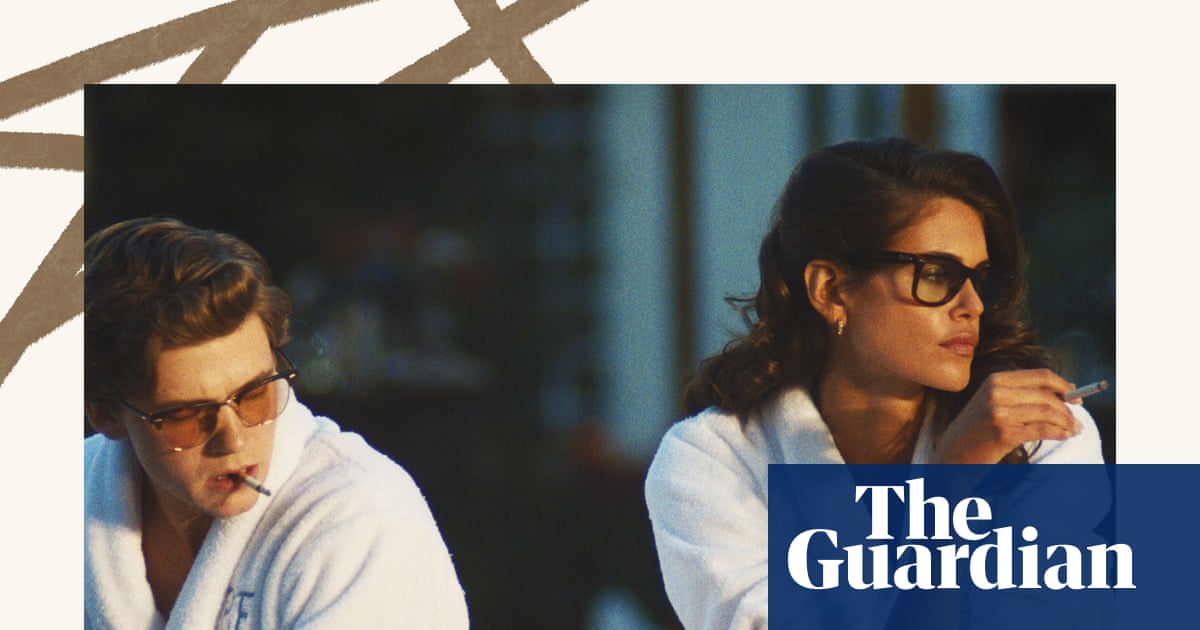
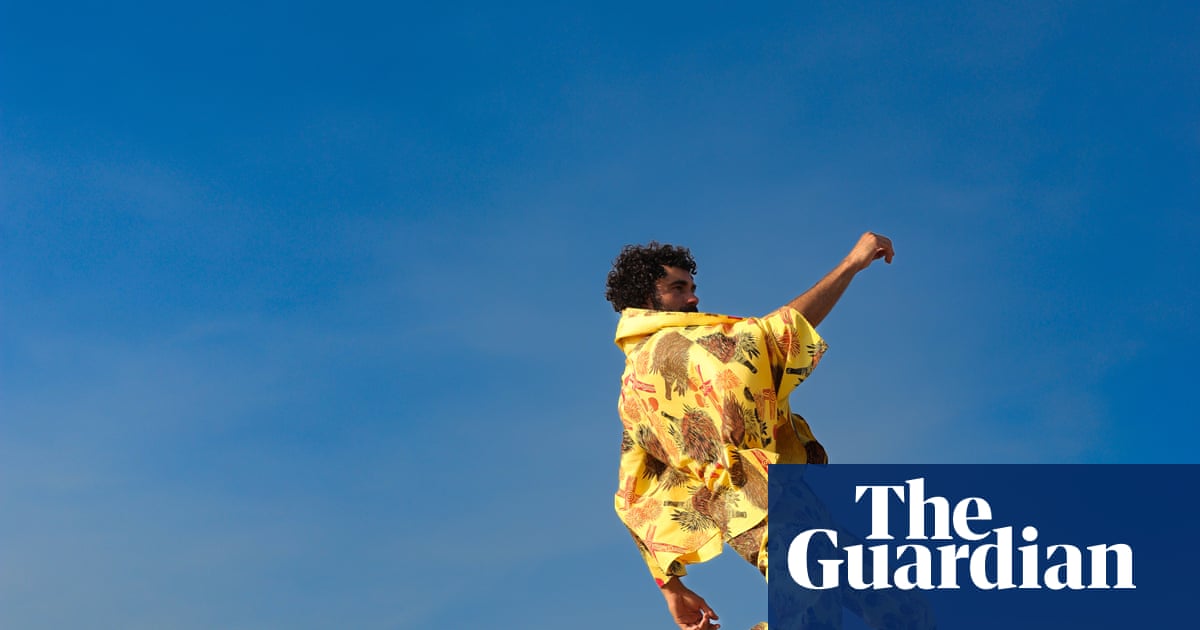
The title song to Azniv Korkejian’s fourth album as Bedouine, Neon Summer Skin, recreates a perfect day from childhood. “Being taken to the pool, where my only worry is being dragged away when the sun’s setting,” she says, calling from Los Angeles. “Later on, mom and dad wash me in the tub and put me to bed.” Steeped in dreamy 70s soft pop, the track isn’t merely an exercise in nostalgia. “I wanted to paint a picture of what it’s like to feel safe,” she says. “So much of the record is about not having the luxury to not consider your own safety. I think about this a lot when it comes to the children in Palestine and Lebanon, who are not afforded that right.”
The conflicts that have ravaged the Middle East are context for Neon Summer Skin, but the album’s themes of displacement, identity and insecurity – wrapped in the deceptively soft sound of 1970s-style MOR pop – are also personal. Korkejian’s family are Armenian, but she and her parents were born in Syria, while her brothers were born in Saudi Arabia, where the Korkejians lived, “on a US compound that was like a gated community”, until 1995. That year, unnerved by the proximity of the recent Gulf war, the family successfully applied for the green card lottery and relocated to the US. “And thank God, because we would eventually have had to return to Syria,” Korkejian says. “I don’t know what would have happened to us then.”
The 10-year-old Korkejian could not appreciate having escaped the subsequent Syrian civil war, however. “I was angry about the move for a couple of years,” she remembers. Her first Halloween in Massachusetts underlined the culture shock, “this sense that I could just continue walking for ever, instead of the finite parameters of our gated community”.
Eventually, the US became home. Aged 18, she left for university in Los Angeles, where she studied sound editing. En route, she picked up a pawn-shop guitar, teaching herself fingerpicking, writing songs for films made by fellow students and her professors, and daydreaming of becoming a singer-songwriter. But for years, songwriting was “just an intuitive form of self-expression, like journalling”, she says. Perhaps that’s why, when she began releasing albums a decade ago, her early records felt intimate and conspiratorial, like you’d won the trust of an astute wallflower now unburdening herself of the acidic observations she’d silently accumulated.
Neon Summer Skin is different, inspired by her parents’ second exit from Saudi Arabia. They had returned after their kids left home, but “you can’t get citizenship in Saudi Arabia if you aren’t an Arab, so even though he’d worked there decades, when he retired, they moved to Armenia”, Korkejian says. “Syria was not safe any more, because of the war.”
She began writing these songs after her final visit to Saudi Arabia in 2019. “I’d visited my parents often when I toured, reverting to my childhood every time, and enjoyed every minute of it. Now I had this sense I’d never return.” She pauses. “The devastation, the death and the killing in the region … our family are experiencing the best-case scenario. We’re all healthy, there’s food on the table. But we’re split apart, and visiting is hard, and sometimes impossible. I missed the deaths of my grandmother, my aunt, who were in Syria during the war. You can escape the slaughter, but still there’s this long tail of sadness, to be parted from people and places that mean so much to you.”
She wrote the desolate On My Own, “the thesis” for the album’s themes, upon returning to LA, on piano rather than guitar. “I leaned into this critical term I’d just learned of, ‘middle of the road’,” she says. “Carole King. Elton John. Todd Rundgren. I wanted to sing with more emotional expression, more melodic movement, more crooning” – an aim aided by guests the Lemon Twigs and Jonathan Rado of Foxygen.
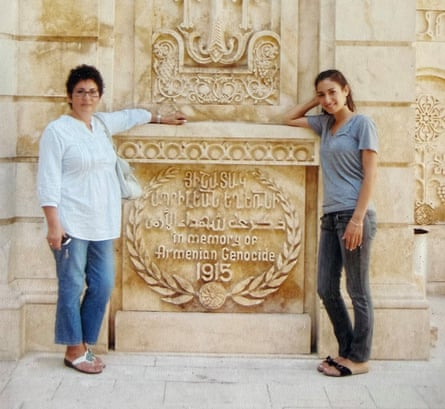
Despite breaking from the intimate singer-songwriter format of her earlier records, Neon Summer Skin is Korkejian’s most personal work. At its heart is Canopies, another tale of displacement and loss, retelling how her mother was placed in an orphanage for children of the Armenian genocide by Korkejian’s grandmother, to protect her from her abusive husband. Its opening line – “I loved you too much to keep you, so I committed a crime” – captures the devastation with grace. “My mom talks about her mother making this sacrifice, to keep her safe,” Korkejian says. “It was done out of love. But trying to understand that as a kid was difficult for her.”
Pain is a throughline connecting these songs, but so is love. To help promote the album, Korkejian plans to exhibit her parents’ old photos, from when they lived in Syria and Lebanon. It’s a project she admits is “sentimental”, but there’s a seriousness, too. “People from the Middle East are often perceived as violent and horrible, and there’s pity, too,” she says. “I want to humanise them. I guess it’s like when the algorithm throws up things like, ‘did you know people in Iran used to wear bikinis?’ And in these photos from the 70s, my parents look stunning. They were so hip and so beautiful.”