.png) 3 months ago
81
3 months ago
81
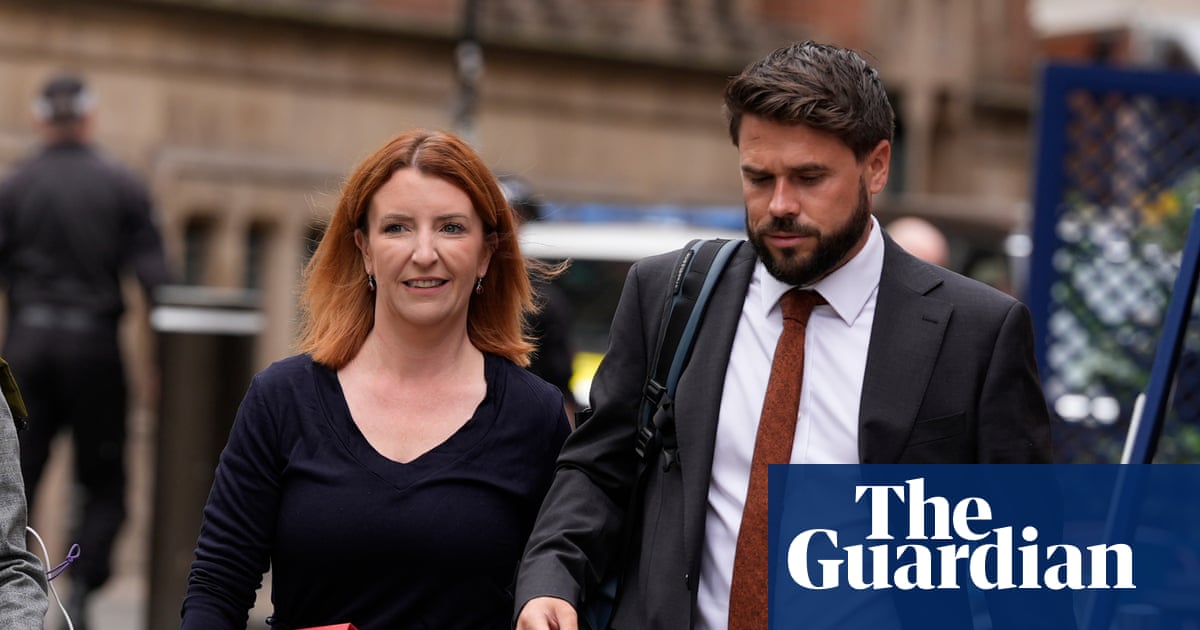
The slogan “If I can’t dance, I don’t want to be part of your revolution” holds new meaning in a world where an MP simply singing along to Robyn is labelled a sign of national decline. A tweet celebrating a Saturday night in my own constituency has now been viewed by almost 1 million people – and many more have offered an opinion. Egged on by political opponents and the presenters of GB News, these have included death threats, vile commentary on my appearance and accusations that I’m not fit for office, all because I went to a silent disco.
Such a barrage is wearing and worrying in equal amounts – but such attacks are not unique to me, nor are they accidental. Joy is now seen as something that should shame politicians – as though having frazzled and miserable people in our parliament is good for decision-making. Underlying this is more than just embarrassment about seeing a middle-aged MP dance, it’s a concerted attempt by some to drown out their opponents’ voices through character assassination.
Concern over the character and competence of MPs is not new or, sadly, unmerited. From Hogarth onwards, politicians have always been subject to righteous scepticism and recent scandals have only confirmed the vetting shortcomings of political parties. What is new is how some in office are leaning into aggression and the idea that those who disagree with you are a personal disgrace. This is not simply political knockabout or different policies being discussed with humour or sarcasm. It is the hyberpole and inflammatory depiction of opponents prevalent across the political spectrum – for instance Zack Polanski publicly questioned whether I was a “patriot”, while Tommy Robinson called me a “traitor” when I disagreed with their points of view.
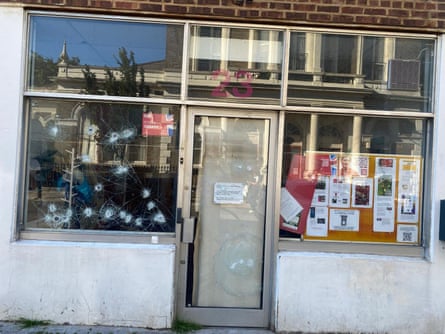
Abuse and violence towards politicians is at an all-time high. Every day, MPs trade stories and sympathies about criminal proceedings against those who have harassed them, offices being attacked and poison pen letters, and fears they have for their families and staff. In the past few weeks alone, I know of three colleagues subjected to abuse and harassment in their constituencies. Parliamentary security focuses on encouraging MPs to be further away from harm – and this often means being moved away from their constituents. We are expected to have guards at public events, which further deepens the sense that MPs are targets in waiting.
It’s not hard to see why making rage-baiting statements is appealing in a world where the next generation will end up poorer than the last. Frustration and fear about the future are widespread and understandable. Politics seems incapable of offering answers at a time when they are needed. More in Common data shows 44% of women say Britain’s political and social institutions should “burn” rather than be preserved and improved, as do 38% of men. We’re in a prolonged cost of living crisis, geopolitical uncertainty is now the mainstay of everyday life, and the options for addressing any of it are limited. It’s not hard to see why those who peddle the idea that politics is about finding someone to blame and driving them out of town, rather than working on sometimes-complicated solutions, are winning.
It is also why dismissing the social-media cesspit misses how behaviour online feeds the real world, as it sets the expectation that we politicians deserve what we get. Since Elon Musk took over, X has promoted conservative material and demoted alternative perspectives. We also know that interactions between those who disagree on social media are more abusive than ever – across all countries, including our own. But public debate and good policy-making only thrive when people can speak freely and listen carefully – something that’s harder to do in a culture where the bile towards public figures from all sides of the political arena is now so commonplace, and kindness from strangers is a rare surprise. It is those politicians from the least-represented areas of society who repeatedly admit this culture puts them off participation altogether. Indeed, it is noticeable that attempts at public shaming are disproportionately handed out to women and people of colour.
I have yet to see any posts berating those politicians who boast about the amount of time they spend in the pub from any of those who devoted hours of criticism to my poor two-step.
It is widely feared there will be another physical attack on a parliamentarian soon. For democracy to function and be accessible to all, we must deal with the culture that foments such hatred of politicians that attacks happen in the first place, rather than simply prepare for violence.
This weekend I celebrated my birthday. As a consequence someone posted a picture of me portrayed as a Nazi. That such a basic human pleasure as dancing generates such a reaction explains why it seems only those who enjoy conflict or who have already worked in politics 24/7 seem to stand for office. If we want to stop politicians being punched, we need to stop using them as punchbags.
-
Stella Creasy is the Labour and Cooperative MP for Walthamstow
-
Do you have an opinion on the issues raised in this article? If you would like to submit a response of up to 300 words by email to be considered for publication in our letters section, please click here.