.png) 4 hours ago
8
4 hours ago
8
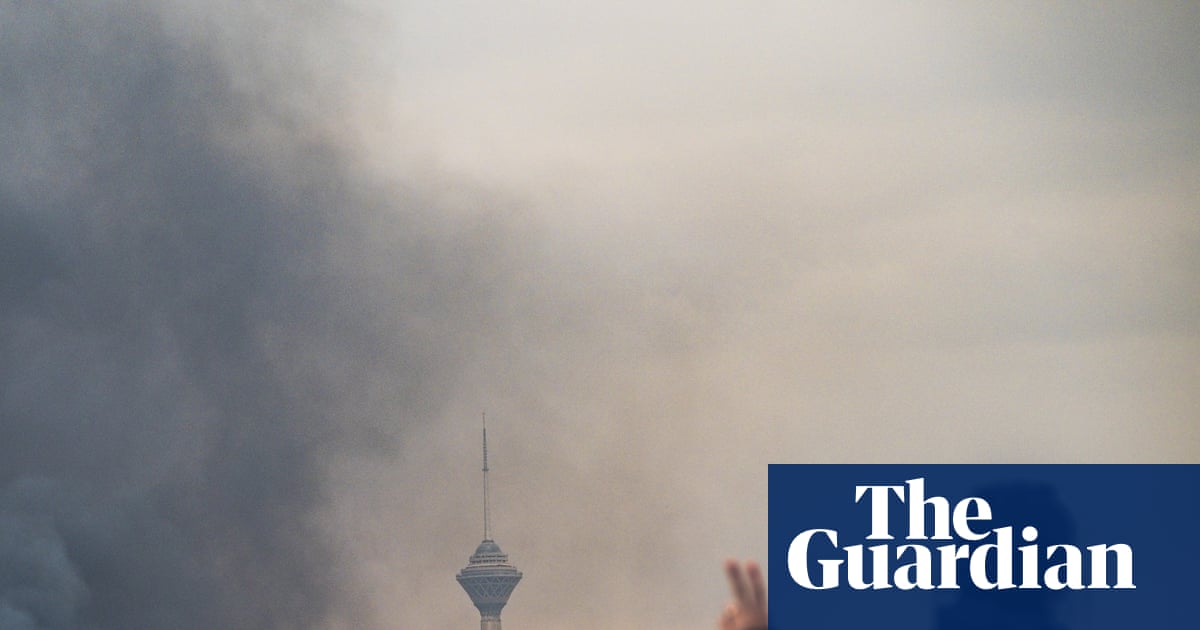
The cycle’s familiarity should not obscure the gravity of the consequences as the US and Iran return to threats, strikes and a futile search for an exit from war via escalation. On Sunday, Tehran said that it had closed the strait of Hormuz again. The World Food Programme is already feeding 1.5 million fewer people this year owing to the illegal war launched by the US and Israel. Vulnerable countries are suffering most as existing crises are compounded: an extra 2.5 million people in Somalia and 2.3 million in Afghanistan are struggling to meet basic food needs.
Even de-escalation would not fix this humanitarian crisis. The full impact on food production has yet to be felt. The strait was key to global fertiliser exports; as prices soared, many farmers cut back on use. The drying up of remittances from migrant workers in the Gulf hurts Asian as well as African nations.
In Iran itself, and Lebanon, thousands of people, including civilians – many of them children – have been killed and essential infrastructure destroyed. Iranians are sliding deeper into economic catastrophe, and the regime is cracking down harder under the cover of war. Tehran’s retaliation has caused death and damage across the region. Consumers worldwide are paying more for energy and food.
With the midterms approaching, the domestic impact helped push Mr Trump towards agreeing a memorandum of understanding (MOU), with 60 days to negotiate a broader deal. Yet less than a month in, strikes have resumed, after Iran struck ships transiting the strait and the US retaliated. At issue is a key section of the MOU. Its vagueness was not an oversight, but an attempt to accommodate clashing positions. It states that Iran will restore shipping, ensure safe passage and work with Oman on the strait’s future administration, with the possibility of future fees apparently left open. Iran interpreted that as cementing, not overturning, its new control – and targeted ships which then used a separate US-coordinated route.
Rhetoric from both sides does not help. Tehran decreed, as it mourned for its late supreme leader, Ali Khamenei, that revenge for his killing “must inevitably be carried out”. Mr Trump responded that the US military will “decimate and destroy all areas of Iran” if he faces any assassination attempt, and has called its leaders “scum”. Yet while Mr Trump has said that the MOU and ceasefire are over, he maintains that talks will continue. This is not so much a repeat as a doom loop; each iteration increases suspicion and complicates issues. The US can U-turn again to allow Tehran to export oil – but the sector cannot recover when customers have no confidence.
Ending the war depends on resolving an issue the war created: Iranian control of the strait. The immediate priority should be to facilitate humanitarian shipments. Beyond that, Oman and others are attempting to establish the exit route from a crisis which its principals have been unable to find. One proposal would allow navigational fees to be charged, but on a non-compulsory basis and under the aegis of a UN body. That has potential, though leverage probably matters more than profit to a militarised, more hardline regime. Mr Trump wants to claim a triumph, not a compromise. But neither side can secure decisive victory, and neither wants an open-ended war, even if they are unwilling to make the concessions needed. The rest of the world must try to coax them back to their senses – or live with the consequences.