.png) 3 months ago
80
3 months ago
80
It’s being billed as the biggest stock market launch in history. Shares in Elon Musk’s SpaceX are poised to be released on 12 June with a valuation of $135 (£100.84). The company plans to sell 555.6m of them, which means it will raise $75bn from the sale.
On Friday, it was reported that up to a quarter of the shares could be reserved for individual investors, rather than funds and banks. This is a bigger share than is typically the case in a large initial public offering (IPO).
The shares will be listed on the Nasdaq in New York, and you may well end up owning some even if you do not attempt to buy any directly. Recent changes by some markets including the Nasdaq means that SpaceX could quickly appear in index tracker funds the index, and other fund managers may choose to invest.
In the UK, some investment trusts already have stakes in the company. These include Edinburgh Worldwide and Baillie Gifford US Growth.
If you want to buy individual shares you will need to sign up to a platform that is acting as a broker for them. In the UK, AJ Bell and Hargreaves Lansdown are offering clients the chance to bid for shares. In the US, you will be able to buy through Charles Schwab, Fidelity, Robinhood, SoFi Technologies, and Morgan Stanley’s E*Trade.
“Normally, it is quite difficult for UK-based retail investors to access US IPOs, but a number of UK brokers and investment platforms are offering access to this one, sensing both strong client demand and, no doubt, a commercial opportunity,” says Jason Hollands, the managing director of BestInvest.
“Minimum subscriptions are typically about £1,000, with applications closing next Wednesday. Check with your platform/broker whether they are taking part in the IPO and whether they can facilitate applying for the shares in an Isa or investment account.”
Before the IPO, you can register your interest and how much you want to invest. On 11 June. the company will set the official price, based on interest from investors.
If the IPO is oversubscribed – there not being enough shares for all of the money that people want to invest – it is not yet clear how shares will be allocated. It might be that lots of people get the same number, or that they are given out according to how much people want to invest. Some investors may not get anything if there are too many applicants.
“Let’s say someone applies for £5,000 worth of shares in an IPO offer. They might get the first £1,000 allocated in full, and then a percentage of the excess amount, up to a maximum number of shares,” says Dan Coatsworth, the head of markets at AJ Bell. “There isn’t a set rule for all offers, and IPO allocations tend to be determined once the offer period ends. It’s rare to receive nothing in an IPO offer, but it cannot be ruled out.”
Once the IPO has happened and the shares have been listed you can buy them at any point. Initial investors will be hoping that the price surges once they have bought, but share prices can go down as well as up so there is always the chance that you may be able to buy for less later on.
Will I be able to boss Elon Musk around?
No. Even if you have a large sum to invest and are able to buy a lot of shares you will still not get a big say in how it is run. Musk is not selling any of his shares and will retain 82.4% of the voting power in the company.
Should I buy them?
It depends what you want. If it is the chance to say you own part of SpaceX then you have nothing to lose. If you are looking for an investment opportunity, this one is not for the faint-hearted.
As Nils Pratley points out, SpaceX appears to be overvalued at the IPO price. He suggests that there are several factors which mean the share price won’t crash on launch, but that it could fall over time.
Coatsworth says there are growth opportunities for the company, picking out two key ones for investors to watch. One is work for the US government on defence initiatives, the other is the reusable launch system, Starship.
“Making Starship fully operational could be significant for SpaceX both strategically and commercially as it would increase its cargo carrying and long-distance travel capabilities,” he says.
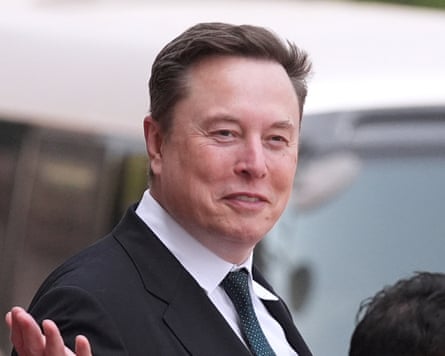
But he outlines potential risks, too, that could bring down the value of the shares in future.
“Areas that could go wrong for SpaceX include launch failures, regulatory changes, competitors playing catch-up, and Elon Musk making controversial statements that tarnish the company’s reputation,” he says. “There are also corporate governance issues to consider as Musk will have considerable power in the boardroom.”
Aside from all of this, buying shares in an individual company rather than investing through a fund is always higher risk – when things go wrong there is nothing to mitigate the downside.
Hollands says: “If you are tempted to invest as a punt, allocating a relatively small amount alongside a diversified portfolio is one thing.
“In the short term, forced buying by some index funds could create an opportunity for quick gains. However, I would be wary of committing too large a proportion of your investments to SpaceX. If substantial gains are made early on, it may also be sensible to consider banking some profits before insiders are able to sell their shares.”