.png) 3 hours ago
6
3 hours ago
6
This week, South Africa has been rocked by protests that have caught the world’s attention. These have been led by anti-immigration civic groups campaigning against what they describe as a crisis of illegal immigration. But to understand these protests, it’s key to view them as part of a broader conservative nationalist turn, as has been seen across countries in the west.
For the past two months, these groups have marched through townships and city centres demanding identity documents from African foreign nationals, ordering non-citizens to close their businesses and calling on undocumented migrants to vacate the country. They declared 30 June as the deadline for immigrants to leave and as the date of a nationwide shutdown.
The protesters blame South Africa’s porous borders for high crime, unemployment and overburdened public services such as healthcare and education. Despite official data repeatedly debunking these claims, their movement has successfully tapped into South Africans’ real frustrations. Stagnant economic growth, an unemployment crisis and declining trust in state institutions have turned the country into a tinderbox where genuine grievances can easily ignite into dangerous social unrest.
African foreign nationals have long been the targets of these frustrations. Xenophobic violence in 2008 left more than 60 people dead and displaced thousands. Further outbreaks followed in 2015 and 2019.
This time, tens of thousands of migrants from countries such as Zimbabwe and Malawi have been displaced into makeshift camps while awaiting repatriation to their countries of origin. At least four people were killed in the run-up to 30 June. Online, mis- and disinformation campaigns fanned the flames of hatred, prompting the president, Cyril Ramaphosa, to warn early in June: “We will act against forces who are exploiting the concerns of our people about illegal immigration to further their own political, personal or criminal agendas.” He also urged South Africans not to be misled by social-media campaigns spreading “misinformation, fake news and lies about foreign nationals”.
Scenes of rioters intimidating and assaulting people they accused of being undocumented echoed not only South Africa’s previous waves of xenophobic violence, but also similar incidents elsewhere in the world.
Last month, there were two nights of anti-immigrant violence in Belfast, Northern Ireland. Like we have seen in South Africa, this was fuelled by the spread of violent images and disinformation. These protests also featured organised groups exploiting community tensions for their own ends. Cars were set alight and immigrant families were driven out of their neighbourhoods.
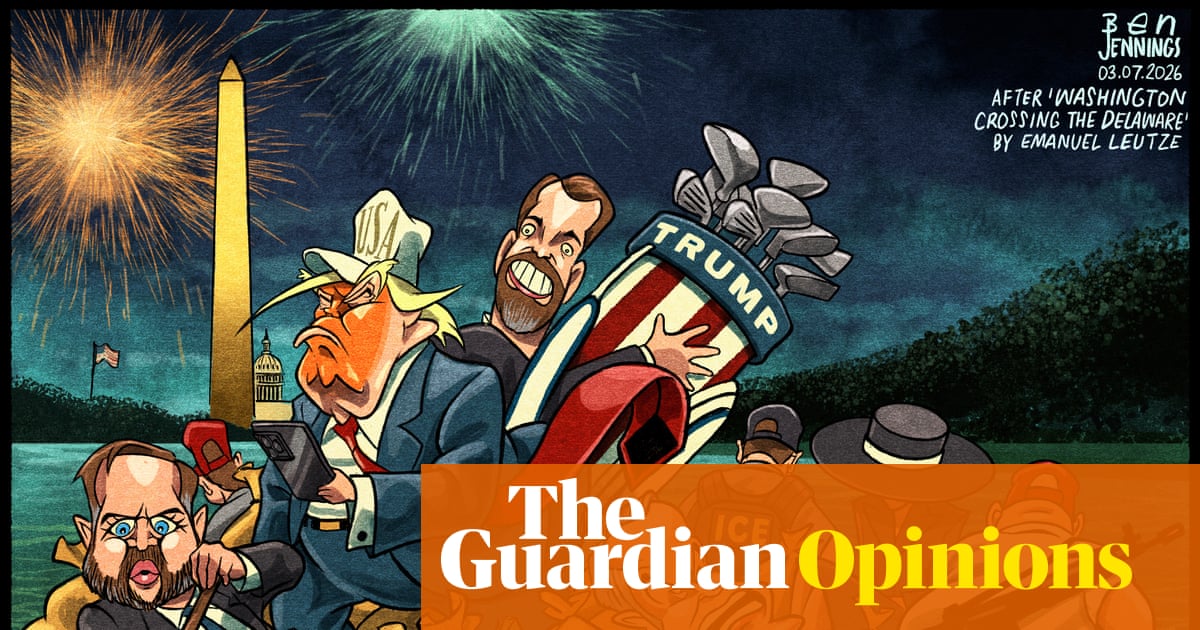
The rhetoric from South Africa’s movement is also reminiscent of that used by President Donald Trump’s Maga movement, which blames immigrants for drug trafficking and violent crime. Trump’s narrative has fuelled an aggressive immigration crackdown, during which many documented and undocumented immigrants have died in Immigration and Customs Enforcement (ICE) custody. Protests against Trump’s immigration enforcement have also turned deadly, claiming the lives of US citizens earlier this year.
What connects these different contexts are two common threads. The first is a period of global economic and political uncertainty. The second is a response to that uncertainty: a broader turn towards values such as conservative nationalism and nativism. Historically, periods of insecurity have coincided with heightened paranoia, distrust and conservatism as people seek simple solutions to complex stressors.
The shift ripples beyond immigration issues. Earlier this year, the UN warned that women’s rights are regressing globally after decades of progress. The secretary general, António Guterres, said: “We are witnessing the mainstreaming of chauvinism and misogyny.”
after newsletter promotion
In South Africa, these developments should not be viewed in isolation from one another. The prominent leader of the anti-immigration movement, Nkosikhona Ndabandaba, has repeatedly claimed that they are acting in defence of “our women and children” from the threat of foreign nationals. It is a familiar trope that has been rolled out by anti-immigration protesters in the UK. Ndabandaba’s group has also repeatedly demanded that South African women in romantic relationships with foreign nationals, or who have children with them, should leave the country as well. This language matters. It signals that the movement’s politics will probably have wider social ramifications than just within the issue of immigration.
South Africa’s constitution, widely recognised as one of the most progressive in the world, has made the country a global leader on gender equality, LGBTQ+ rights, refugee protection and asylum. It was written after apartheid to ensure that such injustices would never be repeated.
The constitution should be the basis for South Africans holding the government accountable for service delivery and governance crises. The danger posed by the movements that unfairly scapegoat certain groups for their grievances is that, instead of demanding that the government lives up to the constitution, they act against the very constitutional principles that make South Africa great: equality and the dignity of all people within its borders.
-
Zanele Mji is a writer, investigative journalist and podcaster based in Johannesburg
-
Do you have an opinion on the issues raised in this article? If you would like to submit a response of up to 300 words by email to be considered for publication in our letters section, please click here.