.png) 2 hours ago
3
2 hours ago
3
This summer’s World Cup fever vividly takes Ann Keen back to 1966 and the day England won the tournament – she was 17 years old and it was the day she told her father she was pregnant.
“It was the worst thing that could ever have been said to him. I was told I’d put shame on the family and I must be sent away,” the former Labour MP said. “I was in an unmarried mother’s home where I had to scrub the steps from morning until night. It was all about punishment.
“Even in the delivery room I was told I couldn’t have anything for the pain, because I was a bad girl. And when NHS staff are telling you that, you start to believe it.”
Afterwards she was told she could have 10 days with her son, but on the eighth day he was taken away as staff were concerned she was getting “far too close to him”. She didn’t see him again for 27 years.
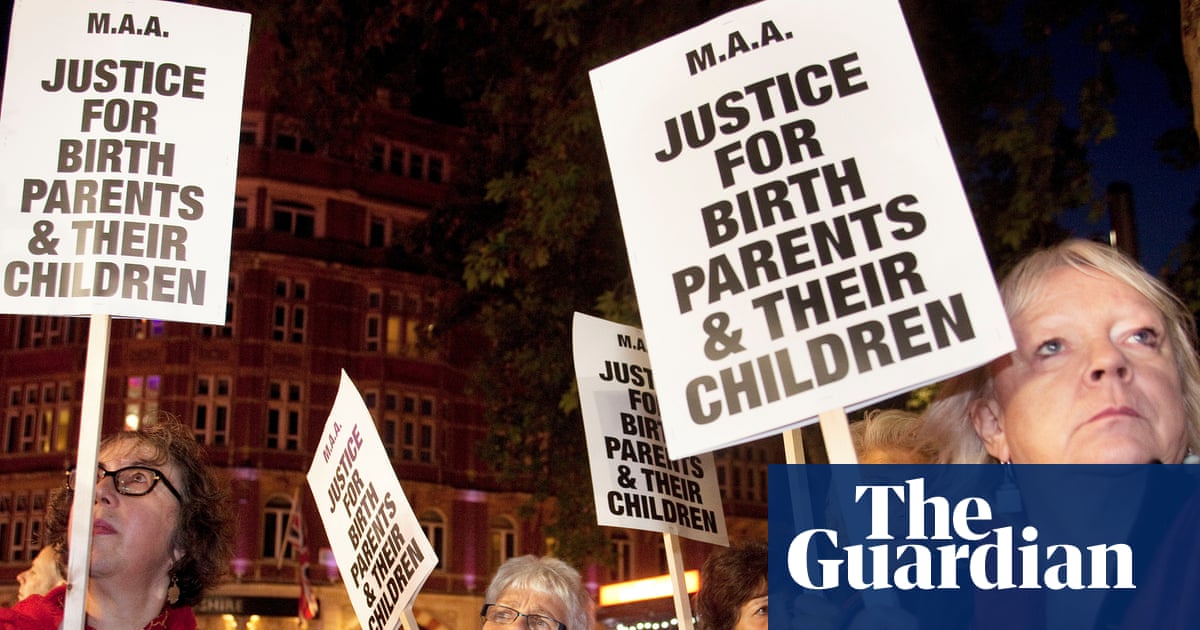
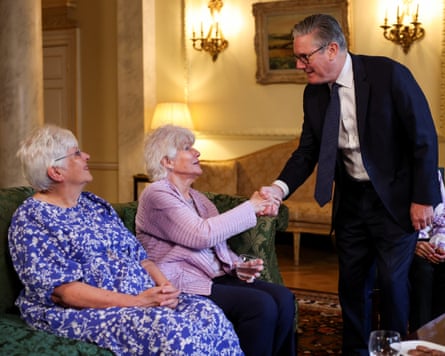
Keen was among the campaigners, both mothers and adult adoptees, sat in parliament listening to the prime minister formally apologise for the state’s role in forced adoptions between 1949 and 1976.
It was a profound moment after a decades-long fight for the British government to admit its role in the practice. “It was totally overwhelming, I thought the prime minister meant every word he said,” Keen said.
Debbie Iromlou, co-founder of the Adult Adoptee Movement, was 16 years old when she found out that she had been forcibly placed into foster care when she was born in 1968.
She spent decades searching for her birth parents, and had to fight to be given access to their details – she was able to meet her birth mother shortly before she passed away, but her father died before she found out who he was.
“Having to fight for our records is a huge shame, our own identity shouldn’t be withheld from us. This is basic human rights we’re talking about,” she said. “And being denied our medical history puts us and our children at huge risk. We don’t know what we’re carrying in our genes.”
She said Starmer’s apology was “validating” and that after “living through decades of trauma, hearing the prime minister acknowledge that suffering was emotional”.
But she said the apology must come with a package of mental health support – Iromlou, like many adult adoptees, has been diagnosed with complex post-traumatic stress disorder.
“It has taken me many years to access specialist therapeutic services and even those are not really suitable for the trauma we’ve been through. It’s not widely understood among the medical profession,” she said. “It’s totally unaffordable for us to get the help we need.”
Vik Fielder’s mother was forced to put her up for adoption after giving birth in 1971.
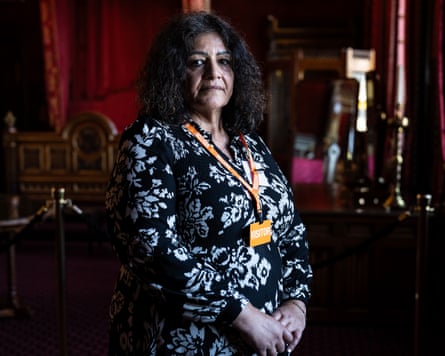
She never got a chance to meet her mother before she died, and she was actively discouraged from seeking her out by social workers who told her she may have married and had other children, and Fielder could “wreck her life”.
“They tried to keep us apart, even after we were old enough to go looking for each other and had agency, and that’s cruel,” she said.
She added that mental health support for those affected by forced adoptions was by far the most important thing the government should provide.
“I’ve had mental health issues. I’ve had a nervous breakdown, I have attempted suicide,” she said. “And not once did anyone link it to my adoption. Even though adult adoptees are significantly more likely to attempt suicide.”
Diana Defries, chair of the Movement for an Adoption Apology, was 16 when her daughter “was literally taken from my arms” and forcibly adopted.
After helping to helm the campaign for an apology for over a decade, Defries said Thursday’s announcement had taken too long to come but was “hugely significant”.
“It was extraordinary, not least because I felt that at long last we’ve been heard, at long last somebody understood that what happened to us was wrong and actually said it out loud,” she said.
She said the apology must come with remedy to help victims, and they would keep pushing for more details of what that would entail. “Without the measures to go with the words, the words become meaningless. That is a problem that has beset other apologies,” she said.