.png) 3 months ago
116
3 months ago
116
G7 finance ministers are preparing to discuss the release of emergency oil reserves, according to reports, after the US-Israel war with Iran sent the price of crude above $100 (£75) for the first time since 2022.
The ministers will discuss the release of the reserves in a call coordinated by the International Energy Agency (IEA), according to a report from the Financial Times.
The emergency meeting would take place at 8.30am New York time to discuss the impact of the Iran war, the FT reported, citing unnamed people familiar with the matter.
Three G7 countries, including the US, have so far reportedly expressed support for the release of the emergency reserves, which are held by the IEA’s 32 member countries across the globe.
The IEA holds strategic reserves of petroleum as part of an emergency system designed to help countries withstand oil price crises. US officials believe a joint release in the range of 300m to 400m barrels would be appropriate, which would reportedly represent 25% to 35% of the 1.2bn barrels in reserve.
The EU’s oil and gas supply coordination groups would also meet on Thursday, a spokesperson said, as they monitor the impact of the conflict on the bloc’s oil supplies. EU countries are required to hold oil stocks covering 90 days’ worth of consumption.
The UK month-ahead gas price jumped by 19% to 163p a therm on Monday morning. The continental European month-ahead benchmark is up 16% at €62 a megawatt hour.
Oil prices rose and stock markets in Asia, the UK and mainland Europe fell on Monday morning after continued violence in the Middle East fed investor concerns around a supply crunch, pushing Brent crude to its highest level in four years and triggering a stock market sell-off.
UK’s blue-chip FTSE 100 index falling by 1.9%. Germany’s Dax dropped by almost 1%, while the French Cac 40 fell 0.7%. The Stoxx Europe 600, which tracks the biggest companies across the continent, fell by 1.5%, erasing all of its gains in the year so far.
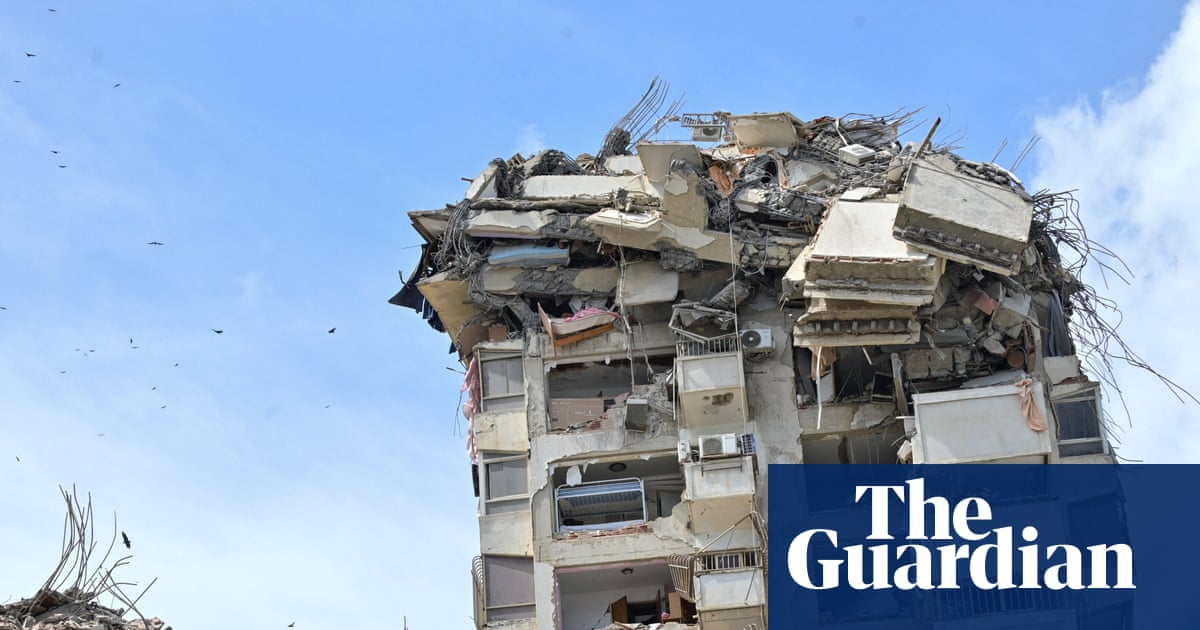
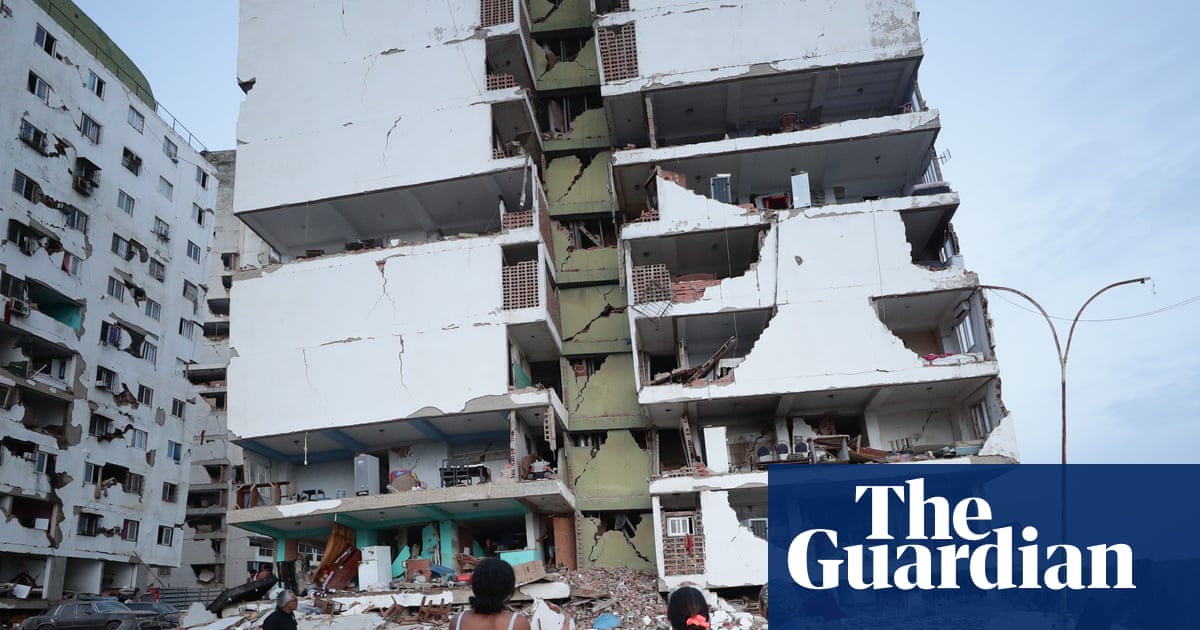
At least five energy sites in and around Tehran were hit by strikes. Kuwait’s national oil company also announced a precautionary production cut amid retaliatory attacks by Iran.
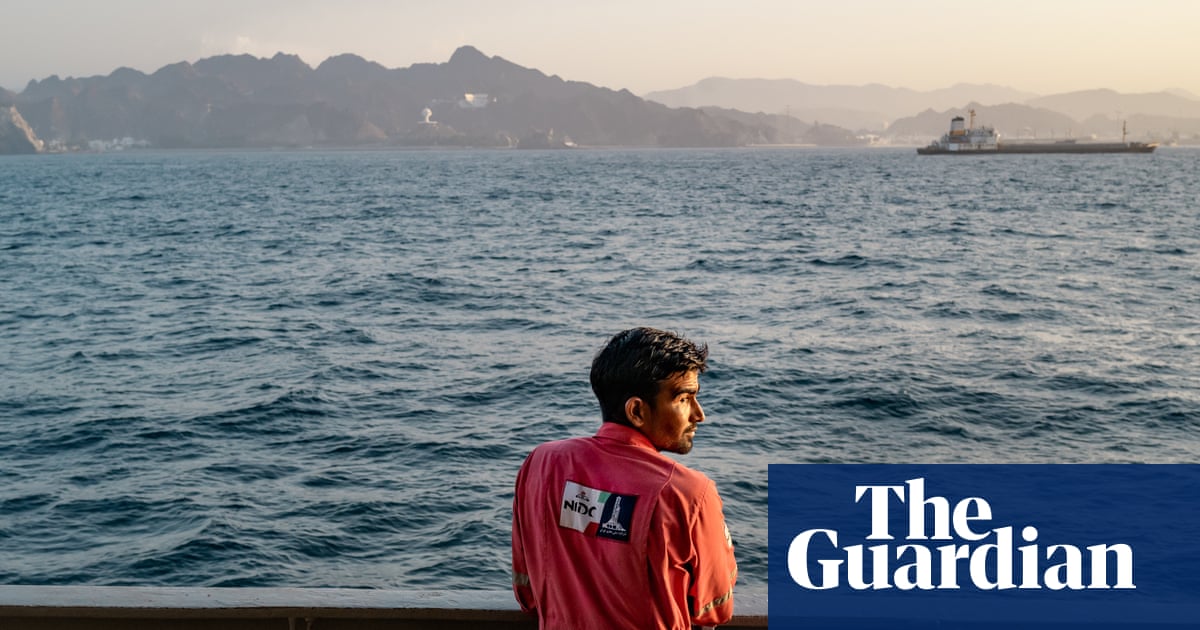
The strait of Hormuz, through which about a fifth of global oil and seaborne gas tankers typically pass, has been in effect closed for a week.
Brent crude, the international benchmark, jumped by as much as 29% to $119.50 a barrel in early trading on Monday. This pared back slightly after news of the G7 meeting, trading at $106.73, a rise of 15%.
While Donald Trump has vowed to reduce inflation and energy costs, he said on Sunday the rise in oil prices was “a very small price to pay” for the US “and World, Safety and Peace”, describing it as a “short term” consequence of the US-Israel war on Iran.
The Iranian regime warned that US-Israeli strikes risked pushing prices even higher. A spokesperson for the country’s Revolutionary Guard Corps said after strikes on energy sites: “If you can tolerate oil at more than $200 per barrel, continue this game.”
The emergency oil reserve system was set up as part of the creation of the IEA in 1974 after the Arab oil embargo, which triggered a jump in crude prices and a fuel crisis in the west.
Since its inception, the IEA has coordinated five collective releases from the reserves, with the last two in response to Russia’s invasion of Ukraine.