.png) 3 months ago
75
3 months ago
75
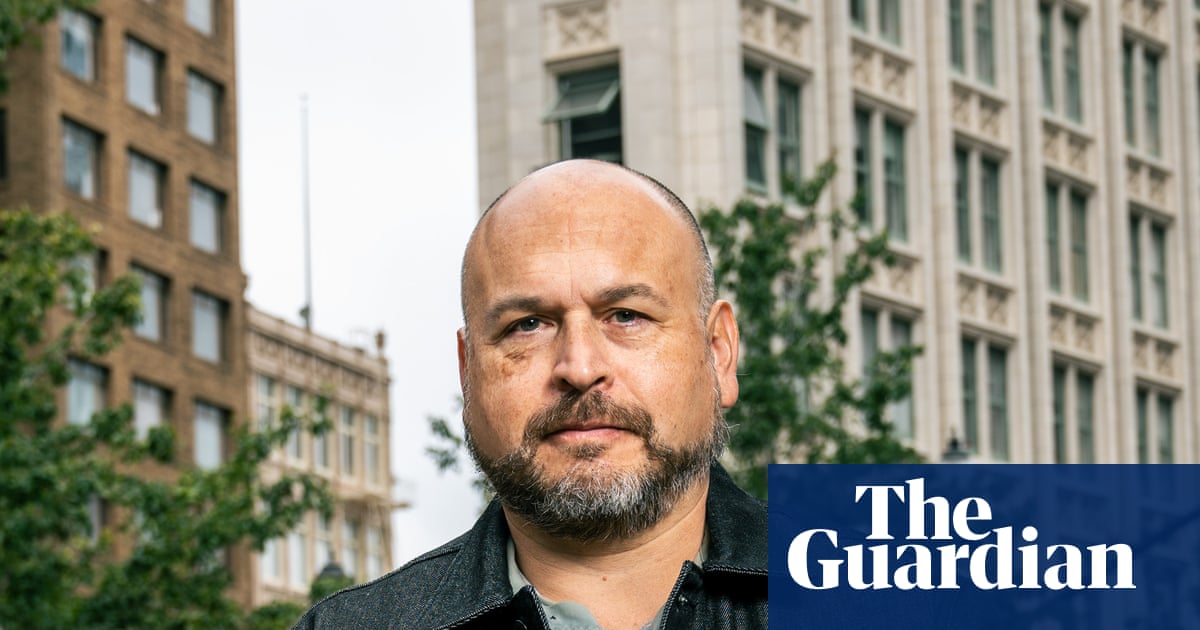
Guardian environment correspondent Sandra Laville’s reporting on the sewage crisis in English water has helped to expose a scandal of privatisation that has created a swell of fury across the political divide.
Sandra has now finished answering your questions. Read the Q&A and join the discussion below.
Should the water industry be renationalised?
Pregoid asks: Can you outline a route to renationalisation?
Sandra:
The government has put the cost of renationalising water at £100bn. But this is a disputed figure. Academics working with the People’s Commission on the Water Sector say this figure is ‘serious scaremongering created on biased evidence’ which was paid for by water companies. It is based on the Regulatory Capital Value of companies as determined by Ofwat, not the” true and fair value in law”, which reflects losses from market failures, like the cost of pollution or the monopoly profits taken by shareholders and banks.
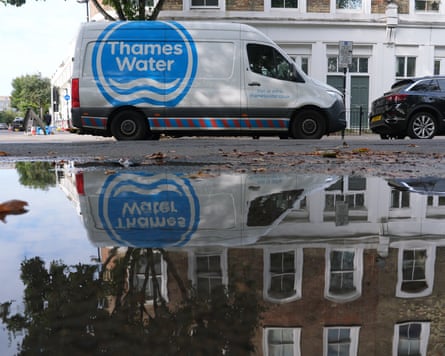
The route to renationalisation could come via the system set up legally when the companies were privatised. Under the law companies can be put into special administration if they are unable to pay debts, if they breach licence obligations, such as on sewage pollution, or failing to supply water, and if it is considered in the public interest to do so. Special administration is a form of temporary renationalisation.
Companies are arguably already in many cases in breach of their licence conditions on sewage pollution, and in some cases on water supply, given, for example, the multiple supply outages by South East Water in Kent and Sussex. Ewen McGaughey, a professor of law at Kings College London argues the special administration system can be used to renationalise water companies at near zero cost to the public.
Could we separate out rainwater and wastewater systems?
MaggieObank asks: Is it feasible for the water companies to develop separate rainwater and wastewater systems and would that solve the problem?
Sandra:
This is the million dollar question! While tackling separation across the whole network at once is considered too disruptive and costly, particularly in urban environments, the chartered institute of water and environmental management says moving towards separated systems is their key focus to address urban pollution and storm water sewage releases. New developments, for example, are now mandated to have separate pipes for foul wastewater and surface water run off.
They also want to see the increased use of sustainable drainage systems like water butts, and storage basins for existing properties, to reduce the amount of runoff into the system. Keeping gardens rather than paving them over, and creating so called sponge cities is also key to tackling pollution.
In sponge cities the creation of wetlands, green roofs and permeable pavements mimics natural water absorption and reduces runoff into the sewage system. Householders could be incentivised to use these systems, to keep gardens instead of paving them over and thereby help reduce run off into the system.
Is it Brexit’s fault?
Zebster asks: How have things changed since leaving the EU? I remember our rivers and seas being clean and keeping to strict EU regulations. Am I remembering incorrectly or have things got increasingly bad since Brexit?
Sandra:
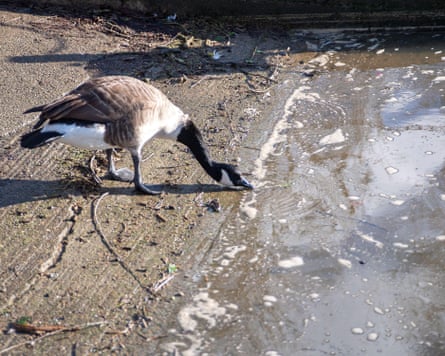
The UK was described as the dirty man of Europe back in the 70s and 80s, due to levels of pollution. For example in coastal towns there were no water treatment plants to treat sewage, raw sewage was just pumped and dumped into the sea. It was only when the EU directives came in that the clean up began. Chief amongst these was the Urban Wastewater directive, the Water Framework directive, and the Bathing Water directive.
Since leaving the EU there have been fears that these pieces of legislation could be watered down. James Bevan, as CEO of the Environment Agency, talked about changing the Water Framework Directive, essentially to make it easier for rivers to pass tests for chemical and biological health. Currently no river is rated as in good overall health under the WFD where rivers have to pass both chemical and biological health tests.
Was it privatisation, or population growth?
klbklyn asks: What else has changed in the system, if anything, since privatisation that has made this problem so allegedly intractable? Is it just population growth that has led the Environment Agency to deem self-regulation and an ‘acceptable level of pollution events’ as the baseline of accountability?
Sandra:
I think the lack of investment is key here both in the regulators and by the water companies.
If you look at the Southern Water criminal case in which they were fined £90m for discharging billions of litres of raw sewage into protected coastal waters over several years, the evidence presented in court showed employees struggling with pumps, pipes, storage tanks and treatment works which were literally crumbling. There were hand written records from employees desperately trying to shore up systems which had not been invested in for years. Pumps were broken, sewage was being stored illegally in tanks for weeks, which were then opened and dumped into the sea. At Thames Water the assets were sweated for decades - the company has admitted that.
So what has changed is that the years have passed, and the systems have got older, and not been upgraded. Combine that with population growth, wetter winters as a result of climate change, and you are creating an environmental disaster which is only now being addressed.
Should the water firms be made public benefit companies?
RichardBatesDiscript asks: My family has lived next to Chichester Harbour AONB for more than 50 years. In that time, thousands of new homes have been built, while the state of our harbour has been declining. No new wastewater treatment works have been constructed to process the extra sewage. Which business model do you think is best to ensure we maintain and increase the infrastructure we need: private equity, or public benefit companies?
Sandra:
The record of privatisation in the last 30 years plus has not to my mind proved beneficial to the environment. The regulator’s focus from the start was on keeping bills down, the environment came a poor second. Companies were allowed to highly leverage themselves and to pay high dividends for many years. Private equity moved in and an opaque, complex financial system was created around providing clean water and removing wastewater- something that is essential to human wellbeing and the mark of a so called developed country.
When the public outcry began some six or so years ago over the scale of raw sewage pollution into rivers, the regulator was - I believe - forced to consider environmental harms to a much greater extent and water companies were exposed for what they were doing routinely - using rivers as dumping grounds for raw sewage while overseeing infrastructure which had not been updated to cope with increased populations, and the impact of climate change.
So I believe a different form of ownership would be better, something which focuses more on providing a public benefit, rather than being engineered to provide dividends to shareholders. In many ways the privatised companies did exactly what they said on the tin in a capitalist system - they provided for their shareholders, and the regulator allowed them to.
How can we make things better?
jenga72 asks: Hi Sandra, I am an activist and academic working on water. In your experience what are the most effective and impactful strategies for protecting and improving the health of Britain’s waterways that motivated citizens can become involved with. In particular I am interested in knowing what benefits council declarations on the Rights of Rivers bring, eg. as in the River Ouse in Sussex.
Sandra:
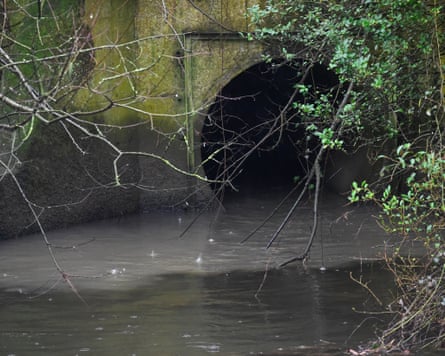
The campaign groups which seem to have been most successful have combined testing their river, near the treatment works, outflow etc, and really using that data to hold companies to account.
They have been thoroughly tenacious, in pushing for meetings, bringing local people onboard, and combining with other groups to form coalitions. I think declarations on Rights of Rivers really help personally.
They focus attention onto the river, they are a good way of making an emotional connection between local people and their river, and they give nature a voice. For too long the environment has been a silent victim - giving rivers’ rights can only give those who want to protect them more power.
Are there any good water companies out there?
Zebster asks: We hear so many appalling things about water companies releasing sewage, not maintaining or improving infrastructure, not investing as they should. Are all companies the same? Or actually do most water companies invest and not pollute, it’s just that we don’t hear about the good ones?
Sandra:
I don’t think all companies are the same, no. That is reflected in the rating system the Environment Agency gives them. For example Thames Water has been given just one star in the environmental performance assessment for 2024.
But the ratings which were published last October do not read well for most water companies. The nine water and sewerage companies only achieved collectively 19 stars out of a possible 36, down from 25 in 2023. Severn Trent has the highest four star rating, and according to data collected maintained a low record of serious pollution incidents - 1 in 2024. The company’s total pollution incidents increased, however.
The system of water companies reporting their own sewage pollution, however, has been seriously criticised and compared to marking your own homework. The Labour government is committed to this - operator self monitoring - but has given no date by which it will end.
What about citizens’ action, can that change the situation?
thesnufkin asks: Citizens action groups have played a huge part in getting this issue into the public arena. What more work is there for citizen activists to do?
Sandra:
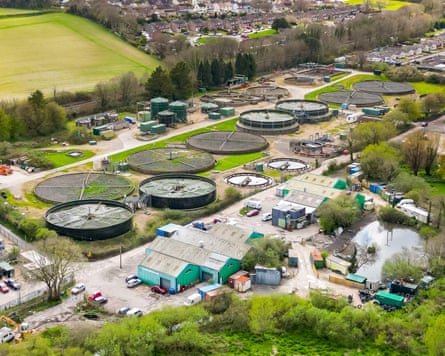
Citizen groups have been central to exposing what water companies have been up to. I remember when I started reporting on this more than six years ago I discovered tenacious campaigners who were monitoring, measuring, and attempting to shine a light on what was going on.
That has only grown, and we now have a network of citizen groups looking out for our waterways. I think we only need more of this - to cover more rivers, to act as guardians for more coastal areas.
When will our rivers start to improve?
JudithPRoberts asks: A very short question that no doubt may require a longer reply - when is it likely that our rivers will start to improve ?
Sandra:
Well that is difficult to answer! We are way off the target of all rivers being in good overall health by 2027. Small localised pollution can show quick improvement once the pollution is stopped.
Physical pollution like plastic waste, litter and things like shopping trolleys can obviously be removed and improvements made immediately, but reversing the damage across river systems requires longer term investment and work. But the evidence from the past shows there can be improvements.
Coastal waters have improved since the EU derived urban wastewater directive, and other clean water directives were introduced. The awareness is much greater now about river pollution.
Examples in Europe of inland lakes which have been protected with stringent restrictions on discharging raw and treated sewage discharges - like Lake Annecy - show water quality can improve. The clean up of Annecy started in the late 1950s - and it is now considered one of the cleanest and purest lakes in Europe. The sooner we act the better!
Thanks for all your great questions!