.png) 3 months ago
78
3 months ago
78
The video from the streets of Tehran shows crowds gathering in small groups, some waving Iranian flags while others wear them draped over their backs. In Enghelab Square, a centre for pro-regime rallies throughout the 40-day war, people are holding heated discussions. It is clear there are mixed feelings.
Footage captured by a pro-regime figure and posted online offers a peek inside the domestic reaction to a two-week ceasefire announced overnight.
It was filmed by Majid Nouri, the son of an infamous former Iranian prison official, and he provides a running commentary on the disagreements, which he said started overnight and stretched into Wednesday morning. It provides rare insight into disquiet among the pro-regime camp in Iran, which agreed to a ceasefire after weeks of riling up the nation with promises of a total win over the US and Israel.
“Around 3am in the morning after the news [of the ceasefire] came out, there were debates and arguments between people,” he tells the camera. “Still they are talking in groups and some good debates have formed between people. Mainly they are shocked, they are upset.”
The pro-regime activist’s father, Hamid Nouri, was convicted in a Swedish court for ordering the execution of thousands of political prisoners in 1988 but was sent back to Tehran in a 2024 prisoner exchange.
The crowds, said Nouri, did not expect a ceasefire and had been debating for hours. “The initial fever and anger will calm down and I think the atmosphere will become much better. In no way do we trust America. I don’t think there is one Iranian who trusts America. And God willing victory is ours.”
Later reports by news agencies said pro-government demonstrators chanted: “Death to America, death to Israel, death to compromisers!” Organisers tried at one point to calm demonstrators, but they continued the chants, the Associated Press reported. People also burned US and Israeli flags in the street.
The scenes show the ongoing anger from hardliners, who had been preparing for what many assumed would be a decisive battle as Donald Trump threatened a “whole civilisation will die”, but instead found a sudden pause in a destructive war. At least 1,900 people have been killed in Iran.
With widespread internet blackouts, it is hard to assess the general mood in Iran, where anti-regime voices are violently suppressed. But in other parts of Tehran, there were a few cautious celebrations in the dark early morning hours on Wednesday.
As the sun rose over the Iranian capital, however, life largely returned to normal, without any sense of grand euphoria. Instead, the mood was marked by a mix of exhaustion, cautious optimism and mistrust.
“Most people here don’t trust the US and still don’t know exactly what is going to happen, so they are unsure whether they should be happy or worried,” said Ali, a 31-year-old man in Tehran. “People want the war to end for good, and with the conditions that Iran has set, but there’s no guarantee these will be secured. There’s also no guarantee the ceasefire will last beyond the two weeks. For now, we have to wait and see.”
There was more life out on the streets of Tehran on Wednesday, with more shops open, more cars on the streets, and more people venturing out to check on family members and friends.
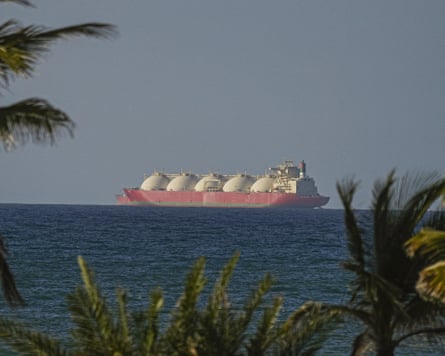
In official channels, Iran has presented the ceasefire – and the war – as a win, elevating Tehran’s position on the world stage and showcasing its ability to in effect shut down a vital global shipping route.
Iranian leaders attempted to capitalise on the failings of the war, which has been criticised even by the US’s closest allies as illegal, having ill-defined objectives and creating geopolitical and economic chaos that Trump cannot control.
The former Iranian foreign minister Ali Akbar Velayati said on X the war had engineered “a new global power structure and the orientation toward a multipolar system” in which Iran plays a greater role.
The president, Masoud Pezeshkian, meanwhile, said the ceasefire “was the fruit of the blood of our great martyred leader [Ali] Khamenei and the achievement of the presence of all the people on the scene”.
For some Iranians, the ceasefire was a chance to try to earn a living again. “Today feels like there is no war,” said Hamid, a 43-year-old owner of a small grocery and cleaning supplies shop that had been closed since Tehran was first bombed in February.
“I decided to open again because I feel safe,” he said. “The last weeks have been very difficult for my business and my family. So many people have lost their incomes. Now we need to make up for the time we lost.”