.png) 8 hours ago
16
8 hours ago
16
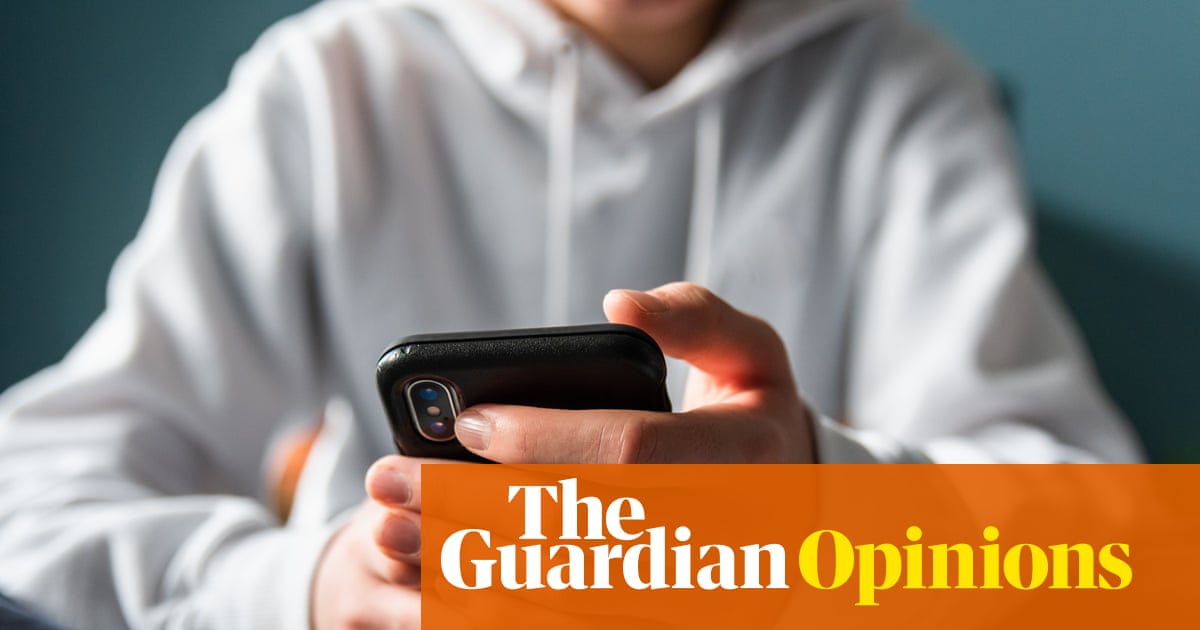
It took me a while to realise what the man sitting next to me on the train was doing. He was flicking through pictures of a little girl on his phone; zooming in on some, cropping the images. Hardly unusual, of course, except that on closer inspection the pictures were very clearly of the toddler sitting opposite us, playing with her parents. On a crowded train of people mostly staring obliviously at our own phones, a stranger had been covertly photographing that little girl over and over again. And if it hadn’t been for that very visible phone screen giving him away, he wouldn’t have been caught.
That encounter was a while ago but my memory was jogged last week listening to a clip of Meta’s VP of wearables, Alex Himel, talk fondly to the BBC about using his new smartglasses to film his daughter singing in a talent contest. They let him capture the memory without having to watch her through a screen, he said, freeing him to be “kind of living in the moment, head up and hands free”. So far, so sweet. But what about the risk of creeps potentially using them to film other people’s daughters covertly, heads up and hands free? Meta’s smartglasses have a tiny flashing warning light on the frame to indicate when the wearer is recording, but the technology is still new enough that many people don’t think to look for it. And in the age of AI, stolen images of children matter. Taken in real life or scraped from the internet, they’re the raw material for generating realistic-looking child abuse material of the most extreme and disturbing kind. (If that sounds like a grim but ultimately fairly victimless crime, the Internet Watch Foundation warned in a recent report that AI-generated material risks fuelling sexual interest in children, normalising violence and increasing the risk of real-life offending.)
When Google launched the first smartglasses in 2013, they didn’t catch on: too nerdy-looking but also potentially too creepy, given the possibilities they afforded stalkers, trolls, criminals gathering intelligence and law enforcement in repressive regimes. But big tech hasn’t given up on the dream of connecting humans more seamlessly to the internet, and newer versions learn from past mistakes. Meta’s are cooler, featuring collaborations with Ray-Ban and Kylie Jenner, and are pitched unashamedly at parents under the wholesome slogan: “never miss a moment”. Want to capture your baby’s milestones, or do all the things you surreptitiously do when you’re with the kids – checking emails, shopping online, listening to podcasts – without taking your eyes off them? It’s an appealing sell to busy, guilty, multi-tasking parents. But the safeguarding concerns around covert filming are real enough for many nurseries and schools to have started banning them from the premises.
A twist in the tale, however, is that making them socially unacceptable risks creating casualties of its own: the technology is potentially life-changing for blind people, helping them navigate confidently around obstacles or instantly translate text to audio.
after newsletter promotion
Meta has argued that it is for individuals to ensure they don’t “actively exploit” the technology, which makes you wonder if it learned anything at all from watching humans get to grips with its social media platforms. Regulatory options might include new privacy legislation designed for the digital age, forcing manufacturers to make it far clearer when the glasses are recording – maybe even with an audible warning, like the beep of a reversing lorry – at least until we’re all primed to look twice at anyone in specs. But since that would make them insufferably embarrassing to wear, it’s unlikely to please tech companies seeking a lucrative mass market.
Another option could be holding manufacturers, not wearers, liable for malicious usage – though that could mean years of painfully slow litigation, concluding long after the damage is done. The nuclear option, meanwhile, would be a before-market regulatory regime for novel technology recognising its capacity for social harm, much as we have for clearing new pharmaceutical drugs or novel foodstuffs.
The best option is arguably the one history suggests is least likely to happen: for a myopic tech industry to start better anticipating, and designing out, potential harms that should be visible from space. There are some things, surely, that nobody needs smartglasses to see.
-
Gaby Hinsliff is a Guardian columnist