.png) 1 month ago
52
1 month ago
52
The last UK general election of the 20th century was also the first to anticipate, albeit faintly, the coming technological revolution. The 1997 Labour and Conservative manifestos both included pledges to connect schools to something they called “the information superhighway”.
That metaphor soon fell out of use, unmourned, although it contains an interesting policy implication. Roads need rules to prevent accidents. Superhighways do not sound like the kind of places where children should play.
The comparison falls short because the hazards in a flow of information traffic are harder to define than reckless driving. Legal restrictions on what can be published online are a more contentious constraint on freedom than speed bumps and breathalyser tests.
Every society recognises that words and images, in certain contexts, do harm and that incitement to commit crime can be a criminal act. There is a spectrum of tolerance and enforcement. Repression of free speech is a symptom of tyranny, but all governments regulate it to some degree.
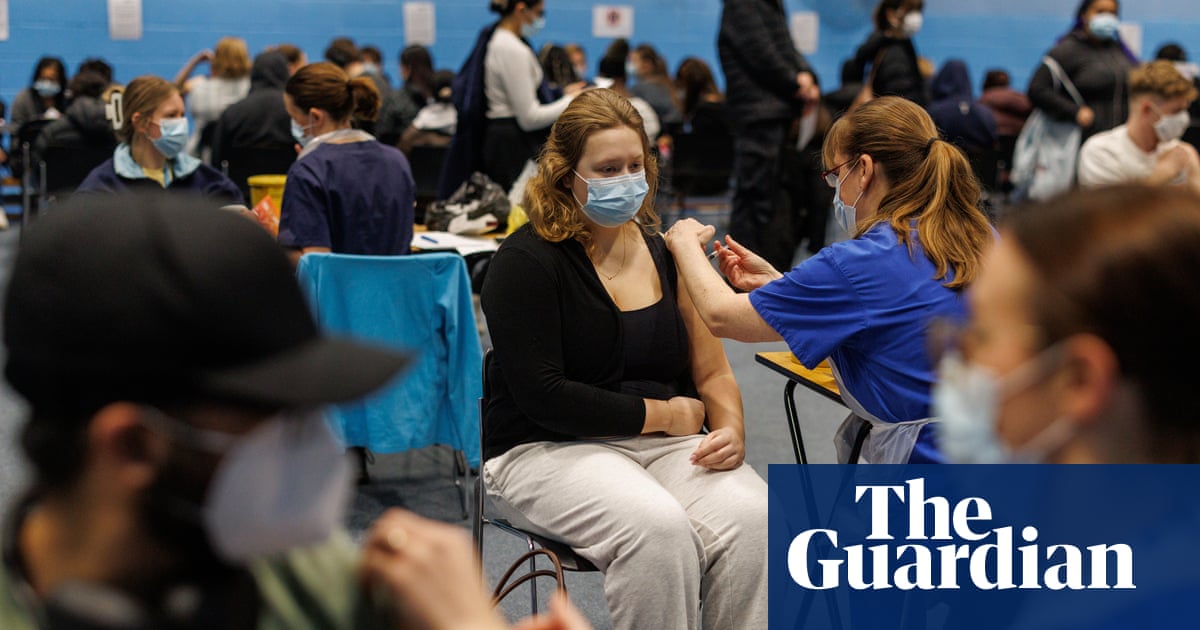
The threshold for intervention is lower when children are involved. That is why the idea of banning under-16s from social media, already operational in Australia, is catching on elsewhere. Spain this week announced it would do the same. The French parliament voted for a ban last week. The UK government is considering one.
Even Kemi Badenoch, a self-styled crusader for freedom of expression, suspends her routine horror at state interference when it comes to shielding malleable young minds from “violence, pornography and extremist content”. Such material is “optimised to capture attention and maximise engagement”. The result is “rising anxiety, poor sleep [and] reduced concentration”.
The Conservative leader doesn’t think those effects are harmful to over-16s. Quite the opposite. She argues that keeping young people away from social media would mean “more freedoms to adults online”. There would be no need for infantilising moderation. Let the kids play outside while the grownups imbibe as much sex, violence and fanaticism as their anxious, sleep-deprived brains can take.
Badenoch reasons herself into this muddle by conflating content, volume and rate of consumption. It is not controversial to want to protect children from hardcore pornography. In analogue times it was assumed there would also be limits for adults. The new element identified by the Tory leader, although she doesn’t pursue the thought, is unconscious manipulation and short-circuiting of critical faculties. The digital delivery apparatus – the combination of phones, apps and algorithms – turns us into compulsive consumers.
There is a political dimension to this phenomenon that is subtly but crucially different from the discussion of whether to ban what, before there was an information superhighway, used to be called “video nasties”.
Lurid images are more compelling than reasoned arguments. Aroused emotions drive engagement. The most shocking sight is the most shareable content. Outrage is addictive. By that mechanism, social-media platforms resemble engines of radicalisation, accelerating any opinion towards its most extreme iteration, shrinking the pool of agreed facts, atrophying a society’s capacity to empathise with alternative perspectives.
That disruption to the democratic operating system isn’t addressed by arguments about free speech. Free speech is the lens that tech companies apply because it gives a democratic inflection to their commercial interests as oligopolists in an under-regulated digital realm. Far-right politicians adopt that frame because they are in the business of undermining the norms and institutions of liberal democracy. That agenda is well served by communications infrastructure that privileges frenzied intolerance.
Hatred promoted as heroic defiance of censorship, daring to say the unsayable, is a poisoned arrow aimed at the achilles heel of liberalism – its dutiful tolerance of illiberal opinion.
These issues would be hard enough to navigate if it were just a challenge of balancing state control, public interest and private enterprise in a single jurisdiction with clear lines of democratic accountability. It is far from that.
The concentration of digital power is an ocean away, wielded by companies whose bosses are, at best, quietly complicit in Donald Trump’s assault on the US constitution and, in the case of X’s Elon Musk and Palantir’s Peter Thiel, vigorous advocates and enablers of the new US despotism.
The alliance of Maga politics and Silicon Valley oligarchy has a double influence on British politics. First, it dictates terms of debate in the windowless chambers where formerly mainstream politicians on the right hallucinate the nation’s collapse into criminality and Islamification. Second, it feeds into Trump’s trade policy as pressure not to implement existing online harms legislation or do anything else that may impede US business interests, under threat of tariffs. Such imperial coercion is, of course, expressed by Washington as part of a global crusade in defence of free speech.
To see the cynical dishonesty in that formulation is not to dismiss the need for liberal vigilance whenever the state takes an interest in rules governing information. Laws drafted with good intent and the promise of a light touch can form a suffocating grip in the wrong hands. But coding the question of tech regulation exclusively in terms of that risk is a wilful misdirection. It steers attention away from the question of who controls the digital plumbing on which British democracy depends and whose interests they serve.
Is it a problem that Musk, the world’s richest man, uses his personal social-media megaphone to promote racist conspiracy theories and boost far-right insurrection across Europe? Is it relevant, when Palantir is awarded contracts to develop IT systems for the NHS and MoD, that the company has built apps for ICE, Trump’s anti-immigration militia; that it feeds them federal data to locate potential targets? Does it matter how much leverage an elected prime minister has if those tech behemoths take against him? Those are not questions of free speech but sovereignty, which is something Conservatives used to care about.
The current debate around social-media bans for under-16s barely skims the surface of these issues. More optimistically, it indicates growing awareness that the mass migration of human activity online is an epoch-defining political event and the default settings on the tools and platforms involved may not be designed with citizens’ best interests in mind. The implications for democracy cannot be reduced to a facile equation of regulation with censorship.
-
Rafael Behr is a Guardian columnist
-
Guardian Newsroom: Can Labour come back from the brink? On Monday 30 April, ahead of May elections join Gaby Hinsliff, Zoe Williams, Polly Toynbee and Rafael Behr as they discuss how much of a threat is Labour from both the Green party and Reform and whether Keir Starmer can survive as leader of the Labour party? Book tickets here or at guardian.live