.png) 3 months ago
88
3 months ago
88
Britain has been buffeted by crises for nearly two decades now. And from the 2008 financial crash, through austerity, to Brexit, Covid, the Ukraine war and Liz Truss, the response from Westminster has always been the same. Manage the crisis, find a sticking plaster and then desperately try to reassert the status quo.
This time, it will be different. The war in Iran must now become a line in the sand, because how we emerge from this crisis will define all of us for a generation. And instead of hoping to return to the world of 2008, we will forge a new path for Britain – one that strengthens our energy, our defence and our economic security in a new age. Because the reality is the world has changed: no longer do we live in the benign conditions found during the early part of this century. The world today is more volatile and dangerous than at any other point in my lifetime. That will test and test again every element of our security. And over the years, that is a test for which Britain has too often been found wanting.
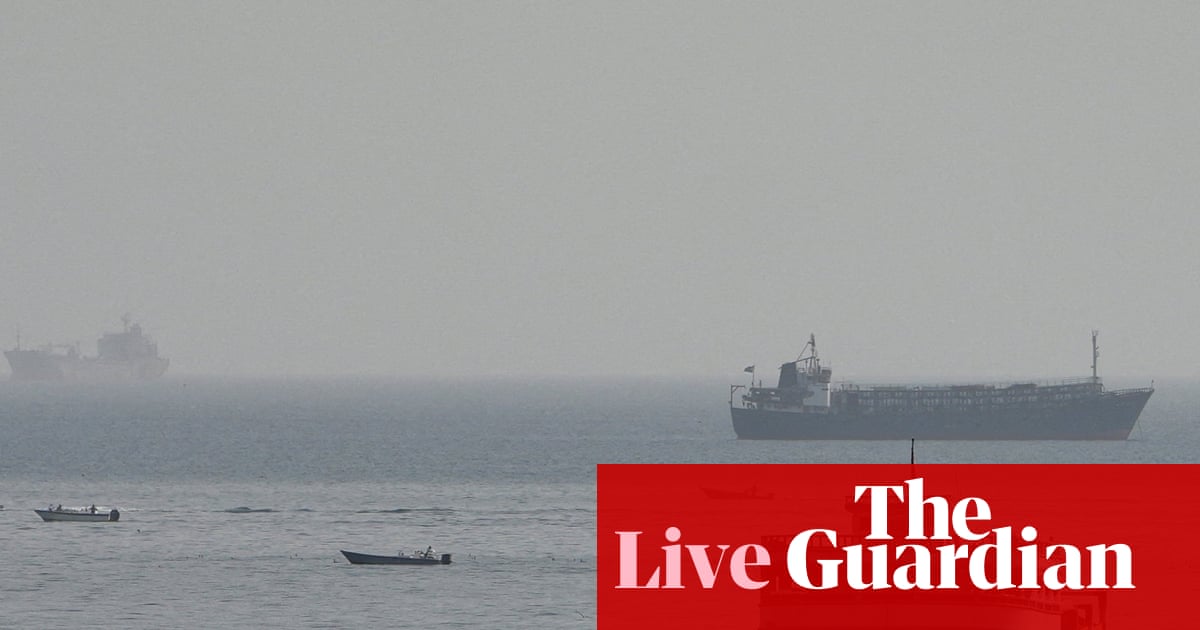
That’s why resilience has been at the heart of my government’s approach – our approach to the conflict in Iran, yes, but also our approach to preserving the national interest at home. Throughout this conflict, I have been guided by the principle that Britain’s national interest is best served by de-escalation, diplomacy, and the swift reopening of the strait of Hormuz. From the outset, I was clear Britain would not be drawn into offensive military action, and we have not been. But when Iran attacked its neighbours, we did what was right. We intercepted drones, shot down missiles, protected British lives and interests and supported partners who, like us, did not seek this conflict.
This is what our approach looks like in practice. We act to reduce escalation, not inflame it. We work with allies, not alone. And we protect our security without losing sight of our economic stability. In a more volatile world, that is how we protect British interests. And that same approach shapes what we do at home.
Because the pressures people feel in their daily lives are not separate from events like this – they are directly connected to them. The same instability that threatens global security drives up energy prices, disrupts supply chains and puts pressure on family finances here in Britain.
That is why, alongside our actions in the region, we’ve capped energy bills and invested heavily in the homegrown energy that can free us from the tyrants who manipulate gas prices. It is why, alongside staying out of the conflict, we’ve rebuilt our European alliances and boosted our defence capacity with the biggest sustained investment since the cold war. And it’s why alongside repairing the public finances, we’ve also launched an ambitious industrial strategy, strengthened workers’ rights, and will lift more than half a million children out of poverty through our new child poverty strategy.
Those measures aren’t simply about responding to one crisis in isolation: they are about doing things differently – thinking about the long-term, and remaking this country so that Britain is prepared for a world where shocks like this are more frequent. Because resilience is what gives us control. Without it, we are constantly pushed off course by events beyond our borders. But with it, we have the ability to act – to shape our future and deliver on the priorities that matter to working people.
And that is the only way we can build a fairer country: a country where people are not at the mercy of events abroad and where there are opportunities for all. And where we are strong enough – economically and strategically – to not only protect, but improve living standards in an uncertain world. So we will act, not simply to weather this storm, but to strengthen Britain to withstand the storms that we now know lie ahead. This means investing in the capabilities that give us control over our future: secure, homegrown energy; strong alliances and credible defence; and an economy built on stability and long-term growth. It means continuing to support families now, while building the foundations for greater resilience in the years ahead.
We will not look backwards. We will not aim to recreate the conditions of a world that has now passed us by, and we will build a Britain that is stronger, more secure and more resilient. That is what this moment demands: and Britain will not be blown off course.
-
Keir Starmer is the UK prime minister