.png) 1 month ago
48
1 month ago
48
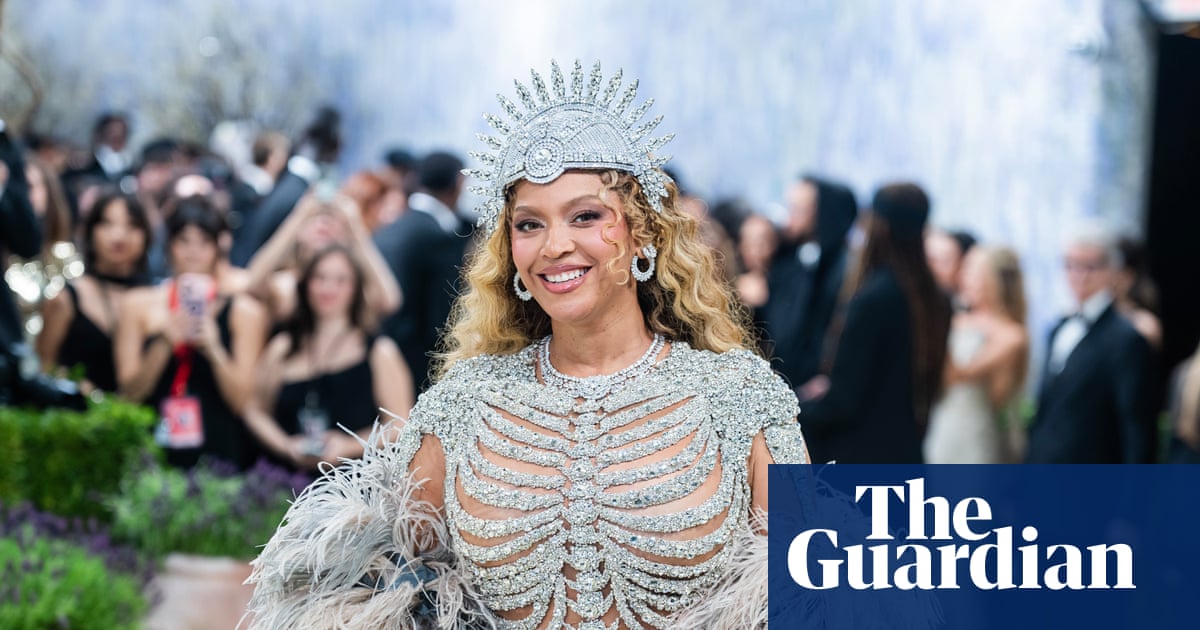
Timothée Chalamet might have smirked his way out of an Oscar. Sabrina Carpenter might have been roundly snubbed at the Grammys. But there’s one place both would be welcomed with open arms: the UK theatre scene.
It seems we can’t get enough of celebs on stage (acting chops preferable but not mandatory). This week alone, London’s West End features Stranger Things star Sadie Sink, singer Self Esteem and Strictly cutie pie Johannes Radebe. Meanwhile, Mischa Barton, best known for playing Marissa Cooper in the 00s TV series The OC, is touring the UK and Ireland in a new adaptation of James M. Cain’s crime novel Double Indemnity.
Celebrity casting or stunt casting as it’s sometimes less kindly known, isn’t new: the Donmar Warehouse was at it back in 1998, casting Nicole Kidman in erotic two-hander The Blue Room, to quite the commotion. But in recent years it’s become increasingly common and, to many, increasingly cynical. There are shows with a rotating roster of leads for every taste: last year’s Every Brilliant Thing offered Lenny Henry and Minnie Driver among others. There are cameos, either advertised as nightly reveals – Inside No. 9: Stage/Fright’s recent tour unveiled everyone from Jonathan Ross to Basil Brush – or thrown in as sales-boosting surprises (why not chance it at the Les Mis tour when Ian McKellen has already popped up?). Then there’s 2:22 A Ghost Story, widely seen as the play that lets non-actors – the likes of Cheryl Tweedy and Love Island presenter Laura Whitmore – have a bash at the boards.
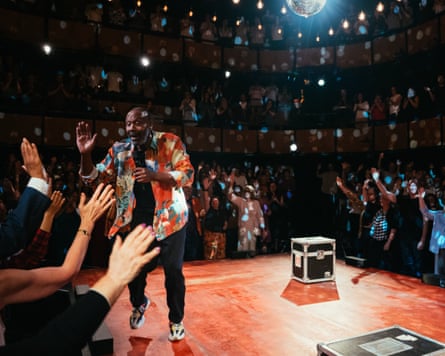
As the trend has intensified, so has the criticism. In October, the Casting Directors’ Guild co-chair Nadine Rennie warned celebrity casting is “killing” the industry. Other insiders say some theatres won’t book shows without a big name, making it harder for smaller productions (often the work of new talent) to compete.
It can also bring out the ugly side of audiences. When Love Island winner Amber Davies recently took a sick break from starring as Elle Woods in the Legally Blonde musical, fans (bend and) snapped, sending online abuse and demanding refunds, despite a capable understudy. Which brings us to another common complaint: that celebrities take work from experienced actors and, sometimes, make rubbish theatre. Just last week, Maimuna Memon, who says her Olivier win last year was followed by job-offer tumbleweed, told the Guardian: “It’s brutal right now. Celebrity casting is massive and is reducing the amount of jobs available … A lot of people I know who are incredible had a really shit time last year.”
But as sad as this makes me, and as much as I believe in supporting new and existing talent, I’m not convinced celebrity casting is the enemy of great theatre or a successful industry. At least, not always.
For one thing, not all star-turns are created equal. YouTuber Tanya Burr’s “flat delivery, and often oddly stressed sentences” probably did make Confidence at Southwark Playhouse worse, and rob someone more talented of an opportunity. But Bryan Cranston’s “magnetic” turn in All My Sons? No chance. Besides, many screen juggernauts were masters of the stage first (I’m looking at you, Michael Sheen).
Celebrities may hog the limelight, but they also bring welcome eyeballs to lesser-known castmates and, sometimes, to the very productions they’re accused of squeezing out. Take 2:22 A Ghost Story. It wasn’t always a theatrical behemoth – when it opened, first-time playwright Danny Robins and his producers had to take a huge financial risk, committing to the theatre’s rent for the show’s entire run, with audiences only just trickling back after lockdown. “We needed to think in terms of ‘Who would you catch Covid for?’” Robins said. Enter Lily Allen as its sellout star.
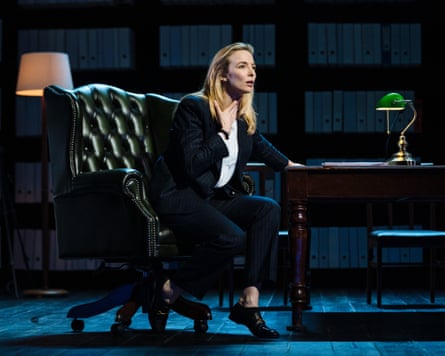
Those sold-out runs can also be good for more than just the box office. In 2022, Jodie Comer took the lead in a play by Suzie Miller, then relatively unknown outside Australia. It became an instant hot ticket and today Prima Facie, a scorching monologue about the legal system’s handling of sexual assault cases, has two Oliviers, a Tony and a Cynthia Erivo-fronted film adaptation on the way. More importantly, it has also led a senior judge in England to rewrite the directions given to juries in rape trials, and a recording of the play is shown to newly appointed judges in Northern Ireland before they sit on sexual assault cases.
Celebrities, of course, contribute to UK theatre’s healthy audience numbers – over 37 million last year, exceeding pre-pandemic levels. But they also tempt people to try theatre for the first time. Tom Holland’s run as Romeo in 2024 led to an Eras tour-level scramble for tickets among young fans – no bad thing when creative school subjects and extracurricular activities are still undervalued and underfunded.
A recent report also found that, with a median price of £41 for a UK ticket last year, “for many people, the barrier [to going to the theatre] is not price, but uncertainty about whether the space is for them”. The presence of a familiar face on stage, then – or the fellow Love Island fans sitting beside them – can make nervous theatregoers feel they belong. Helpfully, many celeb-fronted shows also run discount schemes: Holland’s Romeo and Juliet released 10,000 tickets at £25 and under, with half reserved for under 30s, key workers, and people receiving government benefits. And I’d like to think newcomers will be tempted to try other, celeb-free theatre, too.
Despite the debates, celebrities may not even have as much sway over theatre as we think; plenty of shows sell out, or run for years, not a Netflix star in sight. But, given the trend isn’t going anywhere, it wouldn’t hurt for us all to take more care of this wonderful industry. For audiences to book a range of shows, casting directors to look beyond the big names, and celebrities to use their star power to champion great productions.
And, Timothée, you can still come, too.
To read the complete version of this newsletter please subscribe to receive The Guide in your inbox every Friday