.png) 6 hours ago
6
6 hours ago
6
The home secretary, Shabana Mahmood, is not personally responsible for the mess that the government finds itself in with regard to the release from prison of Shabir Ahmed, who was a ringleader of the Rochdale grooming gang, earlier this month. Ahmed, who has spent most of his life in the UK, was stripped of British citizenship soon after his conviction for rape and sex trafficking in 2012.
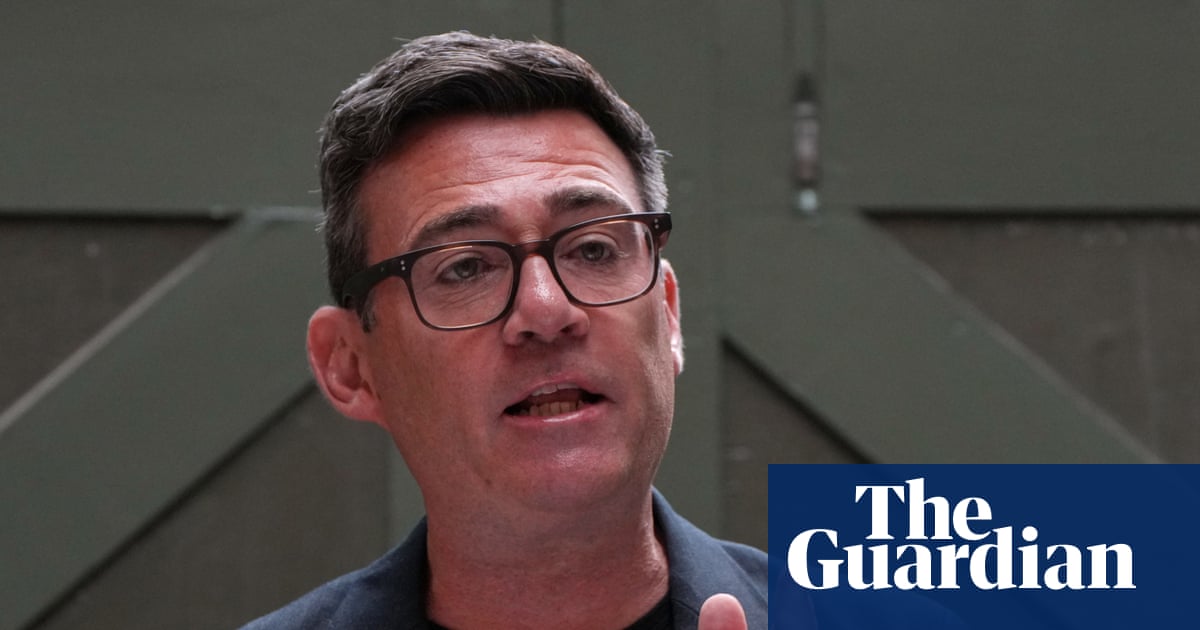
His victims were led to believe when the Tories were in power that he would be deported to Pakistan on his release. They and their supporters now want this pledge to be honoured. The home secretary has announced that the law will be changed to enable this to happen. Whether or not she keeps her job under Andy Burnham, the signs point to the deportation going ahead if Pakistan’s government can be persuaded to give up demanding the return of Pakistani dissidents as its price.
On one level, Ms Mahmood’s actions may appear justified. It is widely accepted that group-based child sexual exploitation, or grooming, was appallingly handled over a long period by councils, politicians and the police. Having commissioned an inquiry, to be led by Anne Longfield, ministers are determined to show that they are serious about accountability for past failures.
Three separate reviews by the Parole Board, the most recent in 2024, found that Ahmed was not safe to be released. He was let out on licence automatically, after serving two-thirds of his sentence. This is an invidious situation, which is added to by victims’ anger about the prospect of the early release of up to 5,000 prisoners, including sex offenders, starting in September. The deportations of three other sex offenders from Rochdale have been repeatedly delayed.
Politicians were wrong to suggest that these deportations would be possible before they knew that this was lawful. They need to level with the victims. While foreign nationals are regularly deported after serving prison sentences, the removal of individuals who have lived for decades in the UK, with British citizenship, on the grounds that their presence in not conducive to the public good, should not be normalised. Ministers risk playing into the hands of far-right groups, and boosting anti-immigration populists, by changing the law to enable one man’s removal.
Given their past experiences, and the fact that they were abused by networks rather than individuals, it is not surprising that survivors distrust the authorities that are responsible for protecting them. There have been disturbing reports of ongoing threats and intimidation in areas where trafficking gangs operated. But it must not become a generally accepted view that violent criminals, including rapists and murderers, cannot be effectively managed in the community after being released. Ministers must find a way to show the public that the risks can be dealt with.
Sara Rowbotham, a former council worker and whistleblower on grooming gangs, has highlighted a collapse of trust in the probation service as one reason why victims are so angry and upset. Ministers must work to rebuild confidence in this undervalued public service and address the staffing problems that have recently forced several hostels to shut. Unless the public, as well as victims, can rely on offenders being expertly managed in the community, the clamour for deportations is likely to continue. Removing Ahmed might ease the pressure, but will not solve the underlying problems.
-
Do you have an opinion on the issues raised in this article? If you would like to submit a response of up to 300 words by email to be considered for publication in our letters section, please click here.