.png) 3 months ago
76
3 months ago
76
Announce a £2.7bn acquisition and watch your stock market value fall by £3.1bn.
NatWest picked a bad day to announce its big move in the fashionable field of “wealth management” – the noise from Westminster created a poor backdrop for UK assets such as gilts and domestic banks. But the main problem with its Evelyn Partners deal is that it is very much of the “one for the long term” variety. The terms are not obviously cheap.
The NatWest chief executive Paul Thwaite’s strategic thinking wasn’t the controversial element because it is conventional. Lloyds, HSBC and Barclays are all talking about the appeal of managing money for “the mass affluent”, a cohort that tends to mean those with at least £50,000 to invest, but in practice usually implies much more.
The attractions are, first, there is more mass affluence than you might assume. The lucky boomer and X generations are getting older, and the transfer of wealth to their children creates an opportunity for a bank to sell advice and financial products. That brings the stability of regular fee income, a counterweight to the core business of lending that comes with the ups and downs of the interest rate cycle.
Second, regulatory and political breezes are blowing in the right direction. The Financial Conduct Authority is loosening its rules to allow more useful financial advice to be given. Rachel Reeves wants more of the nation’s unproductive cash savings to be useful work via investing in companies and real assets, and her successors as chancellor are likely to agree.
Third, younger generations probably grasp the dire long-term dynamics of the UK’s national finances. They understand that relying on the state pension for retirement is unwise and that exposure to the stock market is generally rewarding over a lifetime.
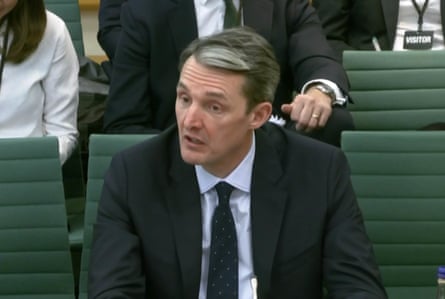
Thus the strategic logic of NatWest’s purchase of Evelyn, with £69bn of assets under management, adds up. NatWest isn’t a stranger to this market – like the other banks, it’s already in the wealth management game and, further up the affluence tree, it has its private bank, Coutts. Thus, with the addition of Evelyn, it can boast £127bn of assets in the broadly defined private banking and wealth market and say that fee-based income for the group will rise by a fifth. Not bad.
The stock market’s grumble, though, was also logical. In the short-term, NatWest could probably get more bang for the same £2.7bn buck simply by buying more of its shares. Jefferies’ analyst did the maths: dilution of about 2% to medium-term earnings. That is partly because Evelyn is not cheap on whatever metric you use – five times annual sales, or 4% of assets under management. Or, most strikingly, the valuation per Evelyn’s 155,000 customers – about £17,000 a pop.
Think of the long term, argued NatWest. It reckons there’s potential for £100m of cost savings, to add to Evelyn’s reported top-line earnings of £179m. It is also getting a direct-to-consumer platform called Bestinvest and a regional network of financial planners and investment managers.
In effect, this deal is really about trying to encourage more of NatWest’s existing 20 million base of retail customers into an expanded wealth management set-up. At that point, an initial ho-hum projected return on investment should improve to eventually outstrip the easy fillip from buying back shares.
The risk to the thesis is that growth in income doesn’t match the high hopes – perhaps because of the intensifying competition in wealth management – or takes longer to arrive. Come back in five years, say, to discover if the bet is working. This is NatWest’s biggest deal since the nadir of its 2008 bailout by the state and, sooner or later, Thwaite probably had to be more aggressive in the chase for the mass affluent wallet below the bracket of Coutts. But it’s a long chase and NatWest is not the only runner.