.png) 2 months ago
62
2 months ago
62
Jeremy Hunt has urged leading doctors to do more to help maternity specialists detect a rare complication of childbirth that can lead to a women bleeding to death within minutes.
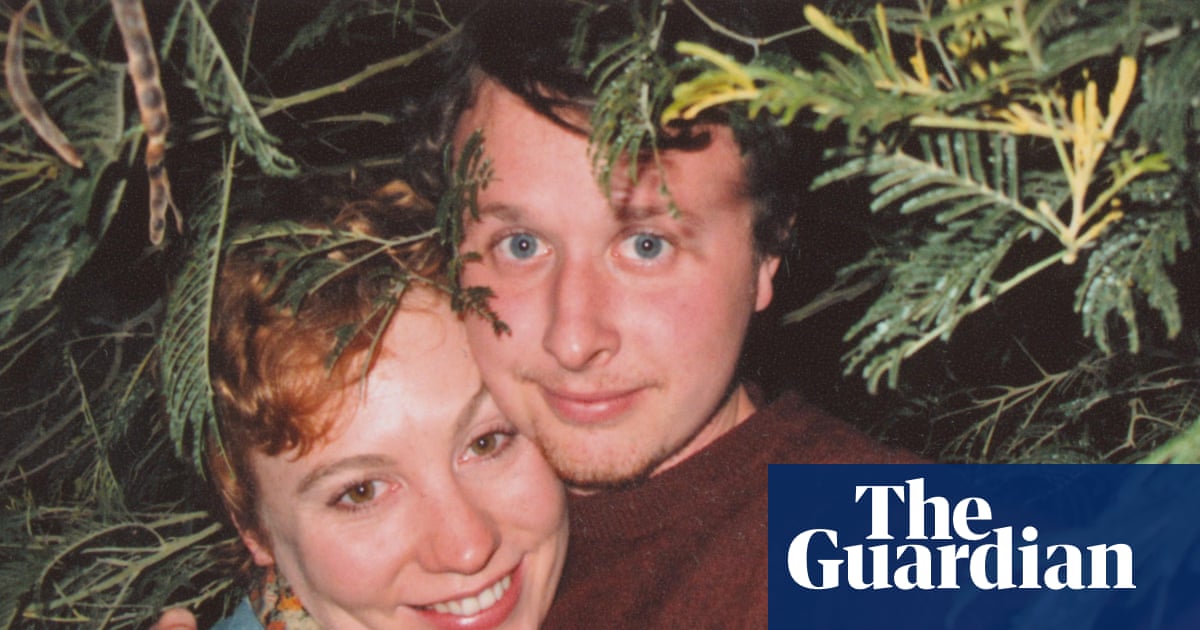
The former health secretary has thrown his weight behind a new campaign, aimed at improving the NHS’s identification of placenta accreta spectrum. The Action for Accreta campaign was set up by Amisha Adhia and her husband, Nik, after five hospitals failed to spot that she had PAS.
Hunt has asked the Royal College of Obstetricians and Gynaecologists (RCOG) to take account of alleged flaws in the NHS’s handling of PAS raised by the Adhia family – and endorsed by dozens of other women – during its review of its guidelines on the condition.
Labour and Liberal Democrat politicians have joined the ex-Conservative chancellor in his demand for an overhaul of advice to doctors on managing PAS and NHS efforts to diagnose it.
In the letter, Hunt tells Dr Alison Wright, the RCOG’s president, that Amisha Adhia “experienced a near-miss case of placenta accreta spectrum. Despite assessment across multiple London [NHS] trusts – including specialist PAS centres – she was repeatedly reassured that accreta was ‘almost zero chance’ because her placenta was not low-lying.”

The fact that an obstetrician did eventually spot her PAS ensured that she received the correct care and avoided “what could otherwise have been catastrophic circumstances”, he said. She gave birth to her daughter, Ishaani, without any major complications last September.
Hunt asks the RCOG “to ensure that concerns raised by families – and supported by emerging data – are considered constructively and transparently within the guideline revision process”. The RCOG is revising its guideline for the first time since issuing it in 2018.
He wrote in his capacity as chair of Westminster’s all-party parliamentary group on patient safety. Hunt highlighted the campaign’s aims of getting “improved national surveillance and visibility of PAS” by the NHS, better recognition of the risks it poses and more training for staff.
Amisha Adhia said the RCOG should “reexamine its maternal health guidelines [which are] outdated and almost a decade old”.
“Since the Guardian first reported on PAS last week I’ve heard from frontline midwives, obstetricians and more families who recognise the dangerous gaps we experienced and confirmed they have seen these same failures,” she said.
“This is not my family’s story alone. It is a pattern. More women are coming forward. That tells us that this is not isolated and it cannot be ignored.”
Wright said the RCOG will publish its updated guidance to doctors in the summer.
“Placenta accreta is a potentially serious complication of pregnancy, where the placenta is stuck to the muscle of your womb and/or to nearby structures such as your bladder. It may cause heavy bleeding and trauma during childbirth.
“Early identification of placenta accreta through pregnancy scans and appropriate follow-up imaging is extremely important, so that care can be carefully planned, with the appropriate specialist teams, which improves outcomes for women and babies.”
Philip Hunt, a former Labour health minister, said the fact that so many hospitals missed Amisha Adhia’s PAS “should raise serious concerns for both the NHS and RCOG”.
“As things stand we do not have a clear national picture of how many women are affected each year, how consistently cases are identified or whether maternity units are adequately prepared,” he said.
“When a condition can lead to catastrophic haemorrhage within minutes, that lack of visibility should concern us all.”
Lord Hunt urged Wes Streeting, the health secretary, to order the NHS to start reporting cases of PAS and draw up a national strategy to improve detection and treatment.
Helen Morgan, the Liberal Democrats’ health spokesperson, said: “Missed cases of PAS show that our current system is failing to spot when women are at risk. Better training is needed so that conditions like PAS are spotted early and patients are given the care they need.
“Women, doctors and midwives feel trapped in a system where nothing changes and the same errors are repeated review after review. The government must work with the NHS to improve its diagnosis of PAS, especially given the risks and potentially life-changing consequences of a missed diagnosis.”