.png) 6 hours ago
11
6 hours ago
11
From her home in West Java, Adira* often starts the day with a Facebook post about coffee and the busy day ahead. Then she gets to work.
In a Facebook group called Team Pauline Hanson, she shares a photo of the Australian senator and One Nation leader and asks its almost 26,000 members for thoughts about Hanson’s comments about Islam and Australia’s way of life.
She shares an AI-generated image of a child in a hijab, like the one she wears in her account’s profile picture, in a Facebook group for Charlie Kirk fans. The little girl is holding a sign that asks if it’s OK to serve bacon in school if Muslim students are present.
She posts in groups with titles including “I love the USA!”, “JD VANCE 2028” and “Pete Hegseth Fans” but also others focused on creating AI-generated images of attractive pilots.
In June, the Guardian revealed that some of the largest One Nation supporter groups on Facebook appeared to be run by and full of overseas creators who monetise content – many based in Indonesia.
To better understand these meme factories, the Guardian has spoken to Adira, whose account is among the most prolific in one of the largest groups.
Adira says she is not getting paid by an agency – instead she is chasing money from Meta, which can pay for content engagement through its creator program. Nor, she claims, is she getting instructions about which campaigns to post about.
“We don’t follow politics overseas, we don’t want to be involved,” she says. “We just, you know, try to earn more dollars. There is no intention to the right or to the left.”
According to her explanation of the ecosystem, Adira is in groups on Facebook and WhatsApp with other Indonesians where advice is shared about which groups to post in.
Some of these groups have “leaders” who can provide videos and images and give advice about which groups might be worthwhile to post in – although Adira does not answer questions about who these leaders might be and who they might work for.
The creators also find groups to post in through platform recommendations. “If I post something, suggested groups will show up,” she says. “I saw the Pauline group and the dollars were good, then you look for other groups with Pauline.”
Sometimes she slips up. In Team Pauline Hanson in July she shared a post about a Muslim woman leaving the US because of “Trump’s hate for Muslims” rather than content tailored for an Australian audience.
Contact us about this story
Show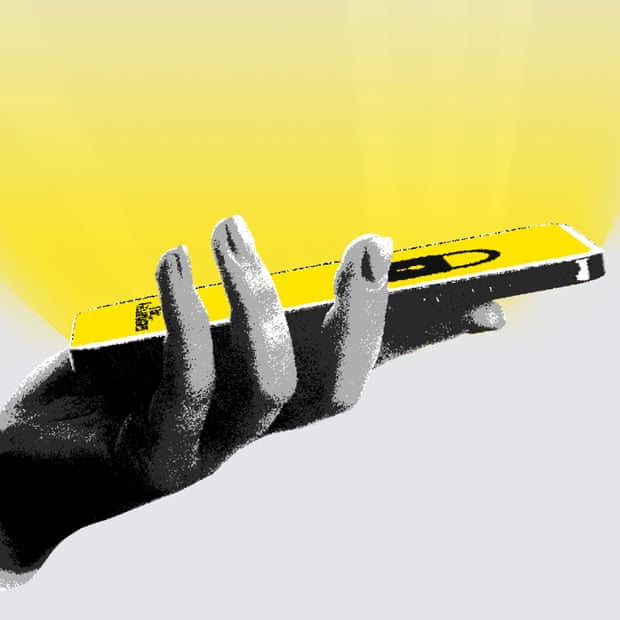
The best public interest journalism relies on first-hand accounts from people in the know.
If you have something to share on this subject, you can contact us confidentially using the following methods.
Secure Messaging in the Guardian app
The Guardian app has a tool to send tips about stories. Messages are end to end encrypted and concealed within the routine activity that every Guardian mobile app performs. This prevents an observer from knowing that you are communicating with us at all, let alone what is being said.
If you don't already have the Guardian app, download it (iOS/Android) and go to the menu. Select ‘Secure Messaging’.
SecureDrop, instant messengers, email, telephone and post
If you can safely use the Tor network without being observed or monitored, you can send messages and documents to the Guardian via our SecureDrop platform.
Finally, our guide at theguardian.com/tips lists several ways to contact us securely, and discusses the pros and cons of each.
Illustration: Guardian Design / Rich Cousins
The group, which was founded in April, describes itself as a space for those “who admire the leadership and vision of Pauline Hanson”.
The presence of so many Indonesian women in these groups sometimes causes problems, Adira says: “People from overseas get suspicious.”
She is part of Indonesia’s infamous “buzzer” economy – accounts that amplify certain messages on social media, usually while hiding their financial incentives.
This cyber army is made up of creators who may be trying to make money out of clicks, as well as posters who are linked to advertising companies or certain political parties. They can also be state-sponsored, according to Associate Prof Ross Tapsell, who has researched the industry for the Australian National University.
“It comes out of the idea that … they’re making noise online,” he said of the term “buzzer”. “In the way that lots of small insects put together make a really big ambient noise.”
While some buzzers are high-profile social media influencers and celebrities, they can also be people who are not earning much at all.
“This machine operates by attracting those who are most economically vulnerable,” Angtyasti Jiwasiddi has written in the Indonesian newspaper Kompas. “This job requires zero skills and zero capital, requiring only a cell phone and a few accounts.”
The phenomenon is partly the result of Meta’s business model, according to a Queensland University of Technology media researcher Associate Prof Timothy Graham, who pointed to the incentive structure that provides cash for content engagement in an effort to keep eyes on the platform.
In 2025, the company says it paid nearly US$3bn to creators for content reels, photos and text posts.
Meta did not respond to questions for this report but said seven of the 14 Hanson support groups previously identified by the Guardian in its investigation had now been suspended for “violating our policies”.
“If you want to stop the issue, you have to stop Meta farming populations for money,” Graham says. “There’s something harmful about the product.”
It appears that Adira runs just one of many Indonesian accounts posting about Hanson and politics in a country she says she knows little about.
“We are just seeking dollars,” she says. “We don’t know, like, even who the president is… The Pauline group has great dollars.”
*Name has been changed.
Do you know more? Email [email protected]