.png) 4 hours ago
4
4 hours ago
4
High-performing primary and secondary schools in England should be encouraged to admit more disadvantaged pupils from white working-class backgrounds to help reverse a continuing crisis in underachievement, an independent inquiry has said.
The independent inquiry into white working-class educational outcomes concluded the current education system was “not set up to serve white working-class children and families”.
It said that once-in-a-generation changes were needed to tackle why such children were the lowest-performing large demographic in England’s school system.
Included in a series of recommendations, the landmark inquiry called for a “clearer definition of white working-class” in the context of education, to provide greater clarity in how the issue is understood and addressed.
It said the government should extend access to 30 hours’ free childcare to disadvantaged families who are not currently eligible under the existing working-parent criteria.
It also called for a refreshed approach to school-family relationships, to make education a shared endeavour, with more school-based support for families and extracurricular activities for all children.
On widening access, the report said high-performing schools should prioritise disadvantaged pupils within existing admissions rules, and engage earlier with families in white working-class communities and help them navigate the admissions process.
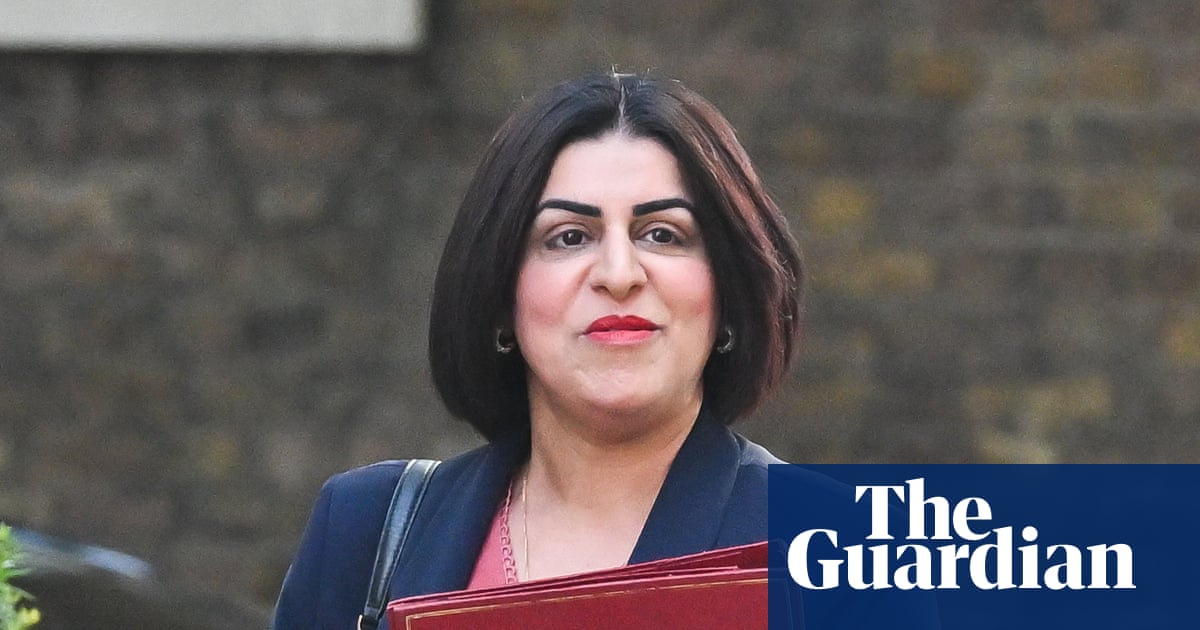
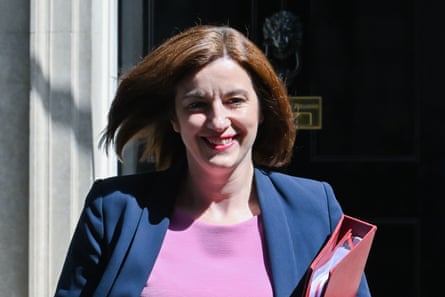
Welcoming the report, the education secretary, Bridget Phillipson, said: “The communities in this report are my communities. I know what they’ve given this country and what this country has failed to give back.
“White working-class children have never lacked talent. But they’ve been written off as generation after generation have been robbed of opportunity.”
The Sutton Trust educational charity warned against setting one disadvantaged group against another, pointing out that disadvantaged young people from Black Caribbean backgrounds were just as unlikely to become top earners.
“Ultimately, this isn’t about ethnicity in isolation,” said its chief executive, Nick Harrison. “It’s about the interaction between disadvantage and place, entrenched poverty, communities that have been left behind, and too few routes to good jobs and better lives.”
The inquiry, which was commissioned by a schools academy trust and backed by the Department for Education (DfE), said the much-documented poorer performance by white working-class pupils could not be “solved by schools alone”.
Based on statistics for white students who received free school meals, a standard metric for deprivation, it found that in 2025, 36% of this cohort in England got a grade 4 or above in English and maths GCSE, compared with an average of 72% for all pupils who did not receive free school meals.
Co-chaired by Estelle Morris, a former Labour education secretary, and Hamid Patel, the chief executive of Star Academies, which commissioned the inquiry, the report said the issues identified could not be “explained away by low aspiration or lack of effort”.
Phillipson hailed the report as “a really important piece of work”. It was based on interviews with thousands of young people and their parents, as well as hundreds of teachers.
“This report lays bare the scale of the challenge, and I know more than most that change will not come overnight, but for the first time in a long time, white working-class children have a government that will fight for them.”
Saying the matter was also a significant focus of the DfE’s schools white paper in February, she told BBC Radio 4’s Today programme that one key issue was school attendance.
She added: “The report is also clear, and the evidence is also clear, that children arrive at school not ready to learn, having not achieved the levels that they should.
“They’re already behind, they stay behind, and they don’t catch up in the way that they should during their time at school, which is why I’ve expanded early years education in such a big way.”
The solutions involved not just schools, Phillipson said, but “beyond the school gate, because so much of what a child is able to achieve in their life comes down to the support their family have”.
In an earlier interview with Times Radio, she said: “Class is a huge driver of outcomes, never mind in our politics, but right across society. If by class we mean the family that you’re born into determining what you go on to achieve in life, that’s as strong a driver as anything.
“We know that children born into less well-off families are more likely to arrive at school further behind their more affluent peers. We know they don’t make progress across school in closing that gap, and we know they’re more likely at the end of school to go into being not in education, employment, or training.
“So, background, social background, family background, where you’re born, they are big determinants of what you achieve in your life.”
Other recommendations in the report include an increased focus on reading for white working-class children at primary schools, and an expansion in apprenticeships.
It also recommended free local public transport for young people aged up to 21 to reach education, training and work, more early years support, improved mental health support and restrictions on smartphone use in schools.