.png) 3 hours ago
4
3 hours ago
4
There was a mix of boos and apathy as Manchester United slumped out of the Carabao Cup on Wednesday in their latest depressing act in domestic cup competitions. A solemn Michael Carrick and his players were the target for the jeers. The director of football, Jason Wilcox, looked unamused on his way out of the directors’ box but he and the hierarchy need to accept responsibility for their actions.
This is the natural course of football, where supporters know what is good or bad and give a rapid opinion to those whose wages they deem they pay. Carrick and his charges are the face of the club, the ones put up to speak with journalists and sent to promote the wares of sponsors.
The head coach is often viewed as accountable for everything, from tactics to transfers, but the picture is more complex.
Carrick returned to United in January, but others have overseen the long-term strategy, within which the head coach sits. Pressure comes with his job, though, and a loss at Fulham on Sunday would significantly increase it.
United’s fanbase is fully aware of those running the club, with regular protests against the Glazer family and Sir Jim Ratcliffe. They realise not everything happening over 90 minutes is the fault of the head coach and those wearing the shirt. The boos are for the one-off performance, the apathy for the bigger picture. It is tough for United supporters to see their club, back in the Champions League, outspent in the summer by promoted sides but this is the reality after years of financial mismanagement. It means the funds available have to be spent wisely.
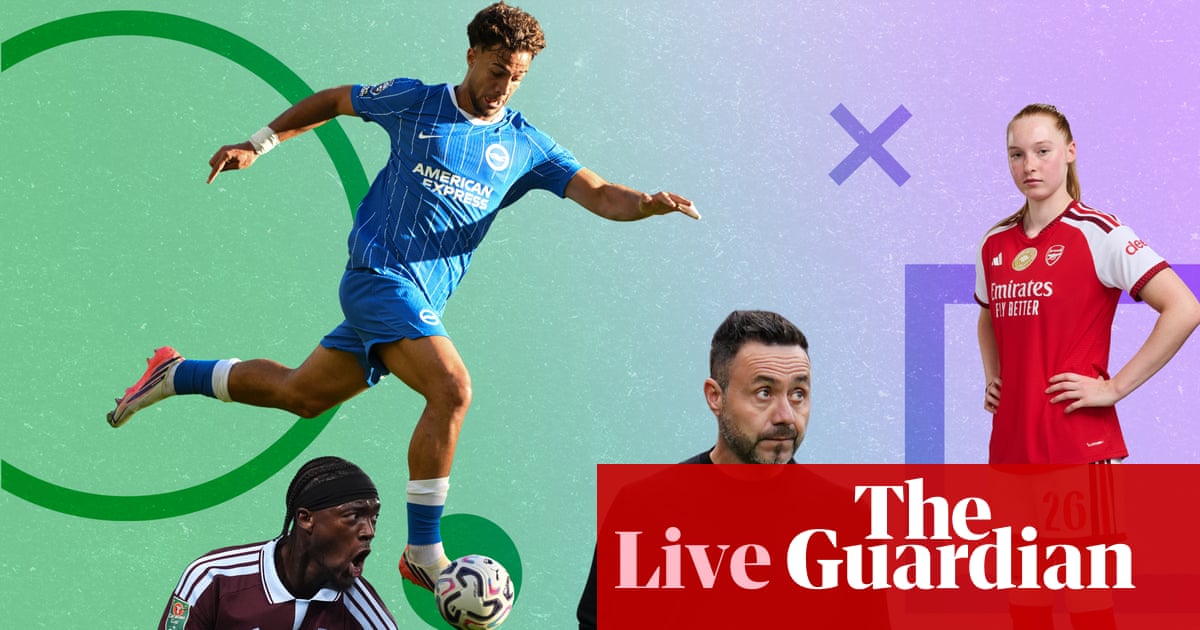
United being two goals ahead against Brighton after 10 minutes and deservedly losing a game they were barely involved in for the remaining 80 is a strong indication things are not right within the team but Carrick knows this. Brighton were much changed but possess an exciting array of talent acquired from all over the world thanks to clever scouting and recruitment. They signed players from clubs in seven countries this summer, while United made four acquisitions from fellow Premier League clubs. Calculated risks and dynamism are part of the job but rarely seen at Old Trafford. It is somewhat ironic considering the most successful acquisition last summer was Senne Lammens from Royal Antwerp, in terms of price and consistency.
Carrick and Wilcox cannot truly be analysed until the most expensive of the three summer buys, Carlos Baleba, is available because his attributes should solve the lack of mobility. Targeting central midfielders was logical after the exit of Casemiro and inadequacy of Manuel Ugarte, but it was not the only area requiring attention. The overall deficiency of the squad was acknowledged internally but the lack of variety in strengthening felt naive and is proving to be so.
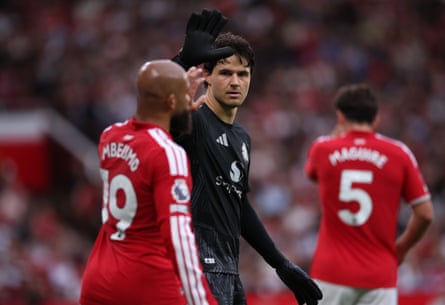
Buying players from other Premier League clubs is rarely cost-effective but there is a logic to limiting the adaptation time. Given the left-back shortage and Joshua Zirkzee’s inadequacies, sourcing a cheaper midfield option than the £50m Andrey Santos could have been advantageous for the wider health of the team. Someone needs to alleviate the pressure on Carrick by explaining why it was deemed best to spend £155m on three players in the same position. The outside world is left to pontificate, while Carrick creates a plan B when Luke Shaw, as many anticipated, has time out injured.
Wilcox has carried out internal media duties. On 30 October 2025, after three consecutive wins, he discussed the long-term plan, which was derailed by sacking Ruben Amorim just over two months later. Matters were going well when Wilcox opened up to United’s editorial staff but, apart from statements on sackings, he shows no appetite to speak amid downturns.
In Europe, sporting directors talking to the press is normal but the Premier League is yet to catch on, and the silence mounts at United with the team 13th.
after newsletter promotion
Wilcox arrived, originally as technical director, from Southampton in 2024 and helped oversee the retention of Erik ten Hag after an eighth-placed finish. Ten Hag was belatedly dismissed for a poor start to the next season. Amorim was hired from Sporting despite his tactics not matching up with the squad available and a lack of finance to provide the overhaul required. United ended 15th and endured a meek Europa League final defeat by Tottenham. When Amorim was dismissed for his shortcomings after 14 months, Wilcox was permitted another chance to rectify the situation.
Carrick is not absolved of criticism; this United team are underperforming and pummelling promoted Ipswich and the Azerbaijan side Sabah cannot mask the disappointing start.
The defence has struggled, conceding seven goals in four Premier League games, and against Brighton the pairing of Leny Yoro and Ayden Heaven was bordering on inept. The forward line has looked disjointed.
Wilcox was well respected when working as Manchester City’s head of academy, and those who dealt with him thought he was exceptional and suited to a role at that level. He is scrutinised and criticised for his work at United after moving up the chain. Many on the outside will be frustrated if JJ Gabriel departs but Wilcox would not be culpable, having worked hard to convince the player to stay, including via the teenager’s inner circle.
With power comes great responsibility at United but only Carrick is forced to embrace it. Ten Hag and Amorim have fallen for their failures, while others have been allowed to carry on. Carrick and Wilcox are equally invested in the success of the team but it seems only one will feel the consequences if things do not improve.