.png) 1 month ago
55
1 month ago
55
Former miners will finally get the chance to speak the truth about their experiences after four decades of silence during a public inquiry into infamous clashes with police at Orgreave, the inquiry’s chair has said.
Pete Wilcox, the bishop of Sheffield, said only an inquiry could help South Yorkshire move on from the events of 18 June 1984, when striking miners unexpectedly found themselves in a pitched battle against thousands of police officers brought in from forces across the UK.
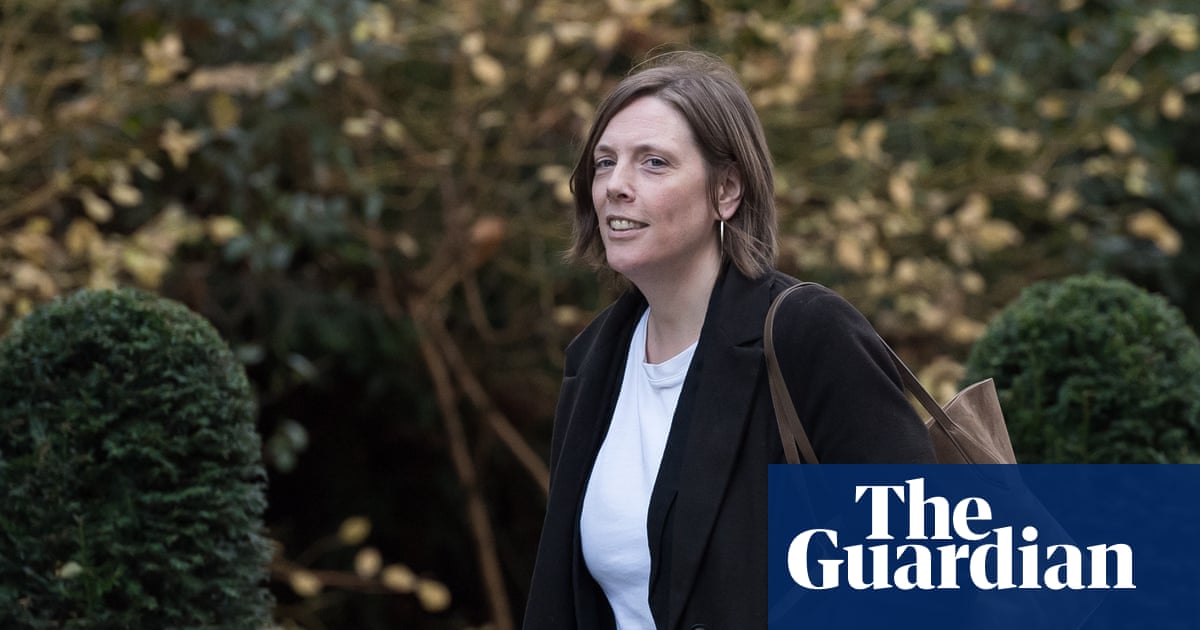
The Hillsborough-style inquiry, officially launched by Sarah Jones, the policing minister, in parliament on Thursday, will examine how 6,000 police officers were deployed to a picket at Orgreave coking plant three months into a National Union of Miners strike over planned pit closures.
About 8,000 people – miners and their families – were on the receiving end of what was described as heavy-handed policing, with witnesses and images from the day detailing how mounted police charged at the pickets and hit them with batons.
Many were injured, some seriously, but it was the moral injury that the injustice caused in the minds of South Yorkshire miners and wider working-class communities that was the lasting effect. This was particularly true in the following days, when the government of Margaret Thatcher and South Yorkshire police influenced the media narrative. Some former miners have since spoken about feeling outraged and despondent that their experiences from that day were misrepresented.
Compounding matters, 95 miners were charged with rioting, in a case that ultimately collapsed after the police’s evidence was found to be unreliable and, in some instances, fabricated. It was described by the barrister Michael Mansfield as “the biggest frame-up ever”.
All this led to mistrust in authorities, particularly the police, for generations – a situation that has still not been resolved.
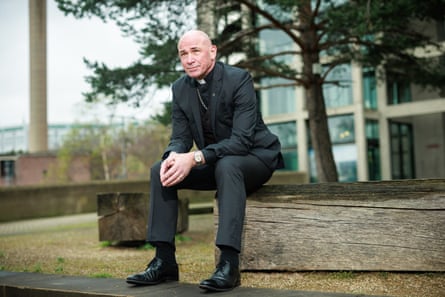
Wilcox said it was not right to say that the public consciousness had moved on since the miners’ strike. “Nobody in South Yorkshire or in the former mining communities of the north-east is saying we’ve all moved on. It’s easy to say that if you are not part of a community that was impacted in 1984.
“The point of this inquiry is to enable communities to move on which have not been able to move on since the miners’ strike.”
Evidence will be especially difficult to gather, however, given that many people who witnessed or participated in the events at Orgreave have since died. “I’m sorry to say that’s true,” said Wilcox, who has spent years speaking to mining communities and who in 2018 tried to persuade the then home secretary, Amber Rudd, to launch an independent public inquiry, but was rebuffed.
“In a sense it might have been most effective for this inquiry to have been held 30 years ago, but you can’t turn the clock back. We are where we are. And as a matter of fact, there are still many, many people who are frustrated that they have not yet been able to put their story on the record.
“So there are many people who are really happy that the moment has come when they will be able to give their account of what happened at Orgreave. And we will try to be creative about the way in which we source witness testimony and to do it in a way that is trauma informed.
“Because of their age, many both former miners and indeed former police officers, some of them are in a state of frailty and we will want to be extremely sensitive to the needs of individuals in the way in which we get their story on the record.”
The bishop said he did not think there was a risk that witnesses’ recollections would not be accurate 42 years on from such a traumatic day.
“For one thing, we won’t just be relying on oral testimony. There is a great deal of documentary evidence and audio files and video files. And we will, because it’s a statutory public inquiry, be able to compel evidence, so we’ll have access to documents that are currently embargoed or restricted. We will be able to give a much fuller picture based on documentary evidence than has previously been available. And that’ll help us to triangulate, I suppose, with witness statements to make sure that we’re telling a truthful story.
“But actually, although as a general rule it’s true to say that human memory fades, when you’ve lived with a traumatic experience, it remains vivid for you. And I don’t think we’re going to encounter a great deal of misleading memory.”
The inquiry will rely in part on police records, some of which have since been destroyed, but Wilcox said he felt encouraged that police would cooperate with the inquiry in the way they are legally compelled to do.
“We do know that the Northumbria police did destroy some documents within the last 12 months, actually, so the timing is excruciatingly unfortunate. We understand the reasons that they’ve provided for why they’ve done that. But most police forces, as far as we are aware, haven’t destroyed relevant documentation. And I know that South Yorkshire police have not only retained their documentary evidence, they have been digitising it in readiness for this inquiry.”
Wilcox urged anyone with recollections of the events to contact the inquiry. He said his hope was that the inquiry “will provide answers to some of the questions with which, particularly former miners and those in former mining communities have been living for the past 40 years.
“Because if we can provide some answers, that will, I think, help to resolve the trauma that has not yet been resolved in those places.”