.png) 2 hours ago
9
2 hours ago
9
Disabled people in England to get 24-hour free bus travel under government reforms
Disabled bus pass holders in England will be able to travel for free at all hours from April next year, the government has announced.
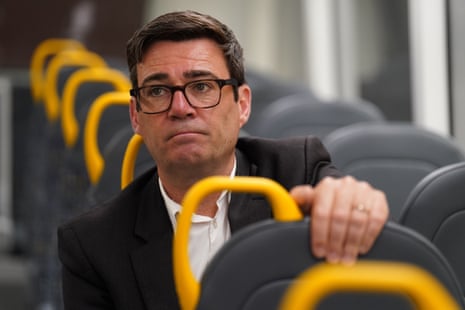
Currently, disabled bus passes are valid for travel only on weekdays from 9.30am to 11pm unless local authorities fund an extension, as Greater Manchester did earlier this year when Andy Burnham was mayor.
The prime minister, who is announcing the changes as part of his drive to reduce the cost of living, said it was “simply not right that many disabled people cannot travel using their pass during certain times of the day”.
The £60m to fund the move comes from existing budgets – with £40m from the Department for Work and Pensions and £20m from the Department for Transport.
Burnham is visiting a bus station in the West Midlands this morning and is expected to give more details on the policy then. He’s got a pooled interview with broadcasters at 11am, followed by questions by regional media.
Liberal Democrat Tom Gordon, who has been campaigning for the change for almost two years, is among those welcoming the move.
“Disabilities don’t start at 9 o’clock, neither should disabled bus passes and soon enough they won’t. This is a huge win for the disabled community,” the MP for Harrogate and Knaresborough said.
While the announcement has been praised for removing barriers in people’s everyday lives, the prime minister is facing questions about how it will be paid for.
A Conservative party spokesperson said: “This is simply the shuffling around of existing departmental budgets. Andy Burnham needs to come clean about how he is going to fund this growing list of policies.”
Since coming to power in July, Burnham has announced a range of policies aimed at relieving pressure on financially squeezed households and businesses, including cutting business rates for pubs, capping bus fares at £2 and scrapping VAT from electricity bills.
However, the announcements have often been vague and Burnham is under close scrutiny over how his plans will be funded having promised to stick to Labour’s fiscal rules while promising to boost defence spending and raise infrastructure investment.
Key events
Burnham urged to intervene over ‘zero-hours’ custody officers in private prison

Rajeev Syal
Andy Burnham is under pressure to intervene in a privately run prison that is seeking to recruit custody officers on zero-hours contracts for the first time across England and Wales’ prison estate.
Managers at HMP Millsike, a category C prison for 1,500 prisoners near York operated by the outsourcing company Mitie, have signed off online adverts for £25-an-hour prisoner escort roles “on a flexible, task-based basis”.
Mitie has submitted a proposal to the Prison Service to employ people on a zero-hours contract which is “under consideration”, a government official confirmed on Monday night.
The £400m prison has about 350 empty cells because of a shortfall of staff, prison sources have confirmed. The POA, the prison officers’ union, has called on the prime minister to intervene in keeping with the government’s pledge to curb zero-hours contracts that undermine workers’ rights, security and stability.
Burnham has faced mounting pressure over the government’s early prisoner release scheme aimed at freeing up capacity, after it was revealed that the killers of the police officer Andy Harper would be freed.
While the prime minister has pledged that Jessie Cole and Albert Bowers will remain in prison, he has been told he cannot exempt specific offenders from early release without also keeping about 500 other offenders who have also been convicted of manslaughter locked up. You can read more here:
Axel Rudakubana, who when aged 17 killed three girls at a dance class and tried to murder eight others as well as two adults in the Southport attack in July 2024, had been referred to Prevent three times but his case was closed over a lack of clear ideology.
The chair of the inquiry into that attack has previously said officers were “hampered” by a lack of clarity on whether they should take someone on who demonstrated signs of being fixated on violence but without adherence to a particular ideology.
Rudakubana has been described as a “violence fascinated individual” – someone with no clear or fixed ideology who became obsessed with violence and harming others anyway. The Home Office has set up a taskforce to help manage the risk posed by VFIs.
The second phase of the Southport inquiry, which opened in July, is examining how to deal with individuals who pose a risk of extreme violence, but where ideology is not the primary driver, as well as the role of the internet and social media in influencing and enabling them.
Speaking on Sky News this morning, the work and pensions minister, Lilian Greenwood, described the ‘Children referred to the Prevent programme’ report as “worrying” and said the government will consider how ministers can better protect children online.
“My colleagues will want to look very carefully at this report and its recommendations and consider what more we can do,” Greenwood said.
“We’re already looking at issues around young people and extremism in responding to the recommendations from the Southport inquiry. I’m sure that this work will add to that.”
Under-16s across the UK will be blocked from accessing the major social media platforms from next spring, but there are concerns the ban could push children towards (even more) unsafe sites and doesn’t target the problem of harmful algorithms.
Children becoming ‘intoxicated with extremism’, children's commissioner for England warns
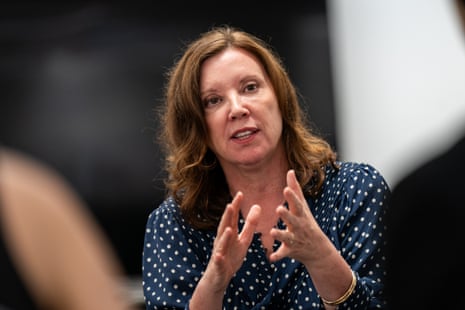
In a new report about referrals to the Prevent programme, the children’s commissioner for England warned that children are “becoming intoxicated by extremism, radicalisation or a desire to harm others” as she urged the government to take tougher action to protect them from harmful online content.
The government’s anti-terrorism programme, Prevent, has seen referrals rise from 2,918 in 2016-17 to over 4,700 last year, with over half of all referrals last year for children, according to the report, which is based on new data, interviews with professionals and analysis of official figures.
Most of the referrals for children in 2024-25 were not linked to ideological radicalisation, but many instead had a “fascination” with extreme violence or mass casualty attacks, the children’s commissioner, Dame Rachel de Souza, said.
“This group of children might be frequently talking about weapons, idolising ‘famous’ attackers, or sharing videos of violence (such as beheadings or suicides),” she wrote.
“They may be sharing extreme pornography with peers, encouraging others to join dangerous online communities or to self-harm.”
She recommends that children currently sent to Prevent should be assessed through local safeguarding teams – which should include counter-terrorism policing – and then sent to the right support.
Currently, children referred to Prevent are often referred back to the organisation that referred them, most often an education setting, without having had an appropriate intervention.
“A referral should be the start of understanding a child’s individual circumstances, not the end of the process,” de Souza said.
“When a child does not progress through Prevent, we must be confident other services are there to understand and meet their needs. Simply returning children to services that made the referral, without a clear understanding of what is driving their behaviour or who will be responsible for meeting their needs, risks missing opportunities to provide the right support children desperately need.”
The report also recommends the government restrict tech companies from having acess to children until they can demonstrate they have measures in place to protect them from harm.
She also said online platforms should be required to complete a risk assessment for the “risk of radicalisation or violence fixation” and suggested other measures including curfews, bans on advertising, limits on scrolling and blocks on strangers being able to contact children.
Disabled people in England to get 24-hour free bus travel under government reforms
Disabled bus pass holders in England will be able to travel for free at all hours from April next year, the government has announced.
Currently, disabled bus passes are valid for travel only on weekdays from 9.30am to 11pm unless local authorities fund an extension, as Greater Manchester did earlier this year when Andy Burnham was mayor.
The prime minister, who is announcing the changes as part of his drive to reduce the cost of living, said it was “simply not right that many disabled people cannot travel using their pass during certain times of the day”.
The £60m to fund the move comes from existing budgets – with £40m from the Department for Work and Pensions and £20m from the Department for Transport.
Burnham is visiting a bus station in the West Midlands this morning and is expected to give more details on the policy then. He’s got a pooled interview with broadcasters at 11am, followed by questions by regional media.
Liberal Democrat Tom Gordon, who has been campaigning for the change for almost two years, is among those welcoming the move.
“Disabilities don’t start at 9 o’clock, neither should disabled bus passes and soon enough they won’t. This is a huge win for the disabled community,” the MP for Harrogate and Knaresborough said.
While the announcement has been praised for removing barriers in people’s everyday lives, the prime minister is facing questions about how it will be paid for.
A Conservative party spokesperson said: “This is simply the shuffling around of existing departmental budgets. Andy Burnham needs to come clean about how he is going to fund this growing list of policies.”
Since coming to power in July, Burnham has announced a range of policies aimed at relieving pressure on financially squeezed households and businesses, including cutting business rates for pubs, capping bus fares at £2 and scrapping VAT from electricity bills.
However, the announcements have often been vague and Burnham is under close scrutiny over how his plans will be funded having promised to stick to Labour’s fiscal rules while promising to boost defence spending and raise infrastructure investment.