.png) 3 hours ago
4
3 hours ago
4
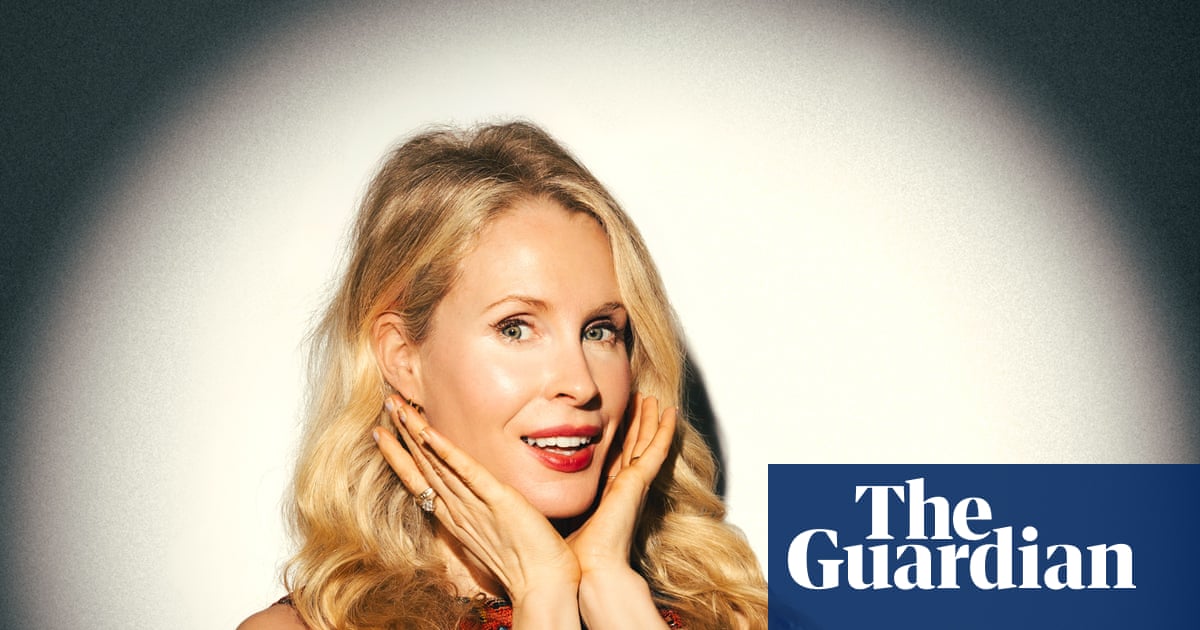
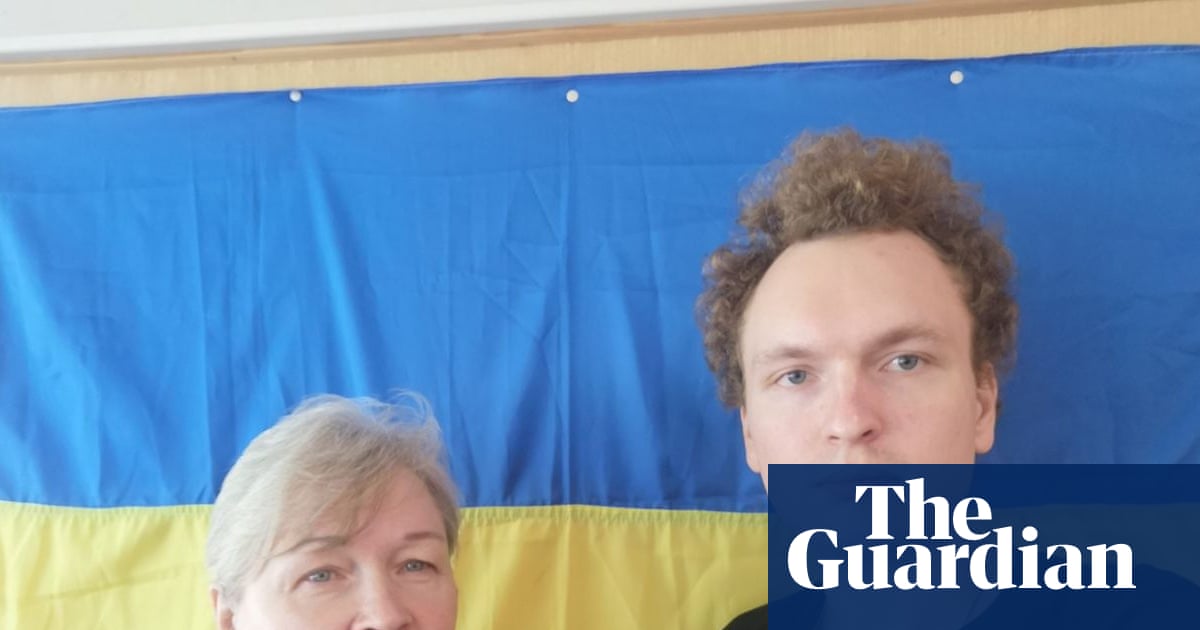
A Costa Rican diplomat and former vice-president whose parents were refugees from the Holocaust has become the surprise frontrunner to lead the United Nations as its first female secretary general.
Rebeca Grynspan, whose parents emigrated to Central America from Poland – and whose maternal grandparents were killed by the Nazis – is the current head of the UN conference on trade and development (UNCTAD), a body that has exhaustively tallied the economic damage inflicted by Israel’s occupation of the Palestinian territories.
The current secretary general, António Guterres, will complete his second term on 31 December 2026 and under an informal system of regional rotation his successor is expected to come from Latin America.
In a secret first straw poll of the UN security council, the five permanent and 10 temporary members were asked to say whether they supported, objected to or were neutral about each of seven candidates.
Grynspan secured 10 “encourage” votes, four “no opinion” votes and one “discourage” vote. The identity of the discourage vote is not known, but the fact that she had only one objection places her in a strong opening position. The process is likely to conclude in October.
Grynspan’s closest rival is Carolyn Rodrigues-Burkett, Guyana’s former UN envoy, with nine encourages, two discourages and four no opinions. At the close of a Bloomberg-sponsored debate at the general assembly last month she secured 49% of the vote among those attending, with Grynspan second on 14%.
“Grynspan is seen by some as the continuity candidate, having the tacit support from Guterres,” said one western diplomat. “But the key is the source of the candidate’s discouragement votes: if [the votes] are coming from Russia, China or the US, there is a risk of deadlock.”
The election comes at a critical moment for the legitimacy of multilateralism, as the UN suffers 20% job cuts and the secretary general’s role as mediator is supplanted by other actors, leaving the world body as a largely ignored moral conscience, or as a venue in which all sides vent their well-rehearsed differences.
If elected, Grynspan would be the UN’s first Jewish secretary general. The UN has been criticised for overly focusing on Israel in its debates, but Grynspan has invoked her Jewish heritage to argue for the importance of ending conflict.
She told the UN general assembly: “Peace is what made it possible for my parents, two refugees from the second world war, to find respect and dignity in a small country, Costa Rica. I am the daughter of this peace, a demonstration of what peace makes possible.”
Her sister moved to Israel as a 17-year-old to study chemistry at the Hebrew University. As a result, her niece and nephew have completed compulsory service in the Israel Defense Forces.
Under her leadership, however, UNCTAD has factually and starkly documented the economic damage wrought by Israel’s long-term occupation of the Palestinian territories.
Its landmark February 2026 report found that “cumulatively, the Palestinian economy lost an estimated $212.2bn (in constant 2015 dollars) from 2000 to 2024. This partial, estimated lost potential, equivalent to nearly 20 times the entire Palestinian GDP of 2024, stems directly from Israeli occupation policies, restrictions, closures, and recurrent military operations.”
In November 2025 Grynspan pointed out that Gaza’s GDP per capita had plummeted to $161 per person per year, one of the most severe economic contractions in modern history.
Three other candidates, including Michelle Bachelet, have probably met with too much influential opposition to secure the job. Bachelet, the former president of Chile and a former UN human rights commissioner, faces opposition from the US government, which claims she was soft on China’s human rights record. But the Trump administration’s recent suggestion that the Fifa president, Gianni Infantino, should get the job symbolises America’s drift away from the UN mainstream.
The secretary general is elected to serve an initial four-year term after the 193-strong general assembly is requested to endorse a single recommendation by the security council. A candidate needs nine positive votes and no veto by a security council member.
The new candidate must be elected by the end of the year, and there will be further meetings of the security council to test opinion.