.png) 2 hours ago
6
2 hours ago
6
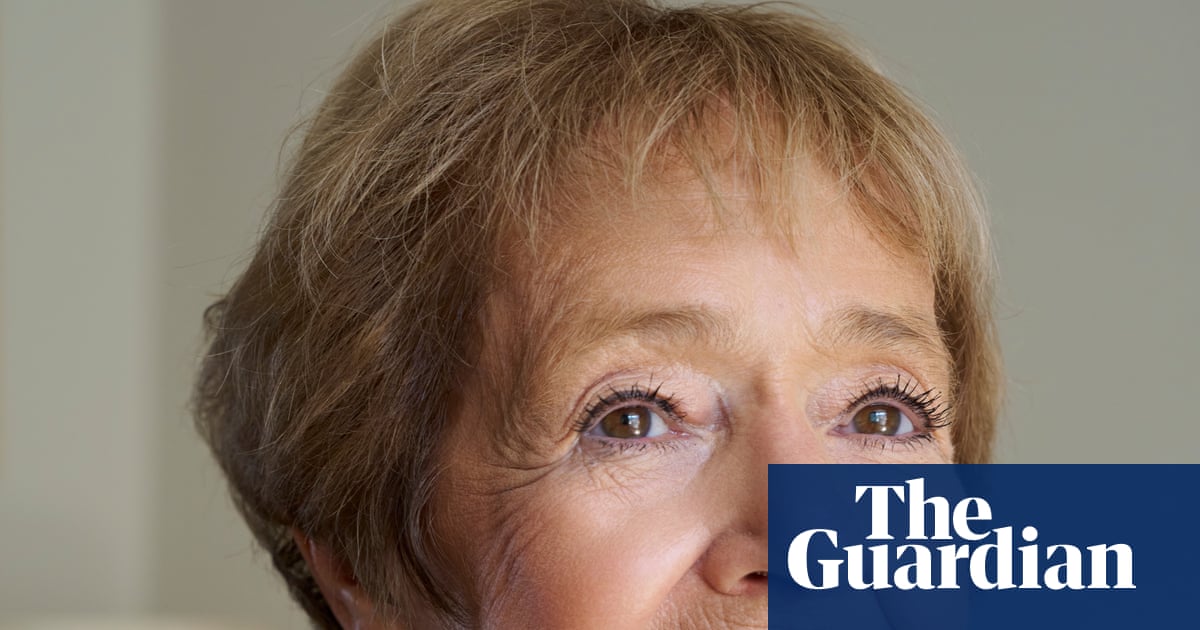
The late actor Diana Rigg declined to call herself a feminist, noting: “Why would I burn my bra? I need my bra.” Nonetheless, her ideas on womanhood were ahead of their time. In an interview with Michael Parkinson, she observed how marriage was “all rather pagan, don’t you think? … A lot of women see it as security. Well, I’m not a woman who yearns for security.”
Taking over from Honor Blackman as the high-kicking Emma Peel in the 1960s spy series The Avengers, Rigg refused to play subordinate sidekick to Patrick Macnee’s Steed, turning her character into a beacon of female empowerment. When Rigg learned that not only was Macnee paid significantly more than she was, but the camera operator was too, she demanded a raise. She got it, but that didn’t stop the press from labelling her as a grasping diva. Fifty years later, she told Newsnight: “Equal pay. That’s what feminism means to me, only that.”
On the stage and screen, Rigg specialised in fierce, complicated women: Medea, Phèdre, Mother Courage, the wimple-clad Olenna Tyrell in Game of Thrones. Yet in life she refused to take herself or her job seriously. Her fear of appearing earnest led her to decline offers of a biography. Now, six years after her death from cancer, her daughter, the actor Rachael Stirling, has taken on the task of documenting Rigg’s life. All About My Mother is a funny, intimate, often joyous and beautifully written eulogy to a woman who didn’t suffer fools yet remained blithely self-mocking and down to earth. Asked what it meant to be made a dame, she replied: “I think it means I’m not supposed to say ‘fuck’ anymore.”
Blending memoir and biography, Stirling builds a portrait based on her own recollections, plus research into Rigg’s performances, writings, recorded interviews and press cuttings collected and stashed in a trunk by her late grandmother Beryl. The book, Stirling says, “is not a detached narrative … This is what I know, what she said, what I’ve learned, what I want to write, what she wrote and what I think she wouldn’t mind my telling you.”
Wild anecdotes of stars behaving badly include the time Rigg was lured to Benny Hill’s house with the promise of a party, only to find she was the sole guest. When he appeared in the garden proffering a drink and a semi-erect penis, Rigg turned away, shouted “LOOK! PARSLEY!” and scarpered. George Lazenby’s claim – false apparently – that Rigg deliberately ate garlic before their love scene in On Her Majesty’s Secret Service led to a scathing war of words between the two actors via a series of open letters.
As a youngster cutting her teeth on the stage, Rigg was a livewire: funny, rebellious, ambitious, given to corpsing from her own onstage pranks. Landing the role of Peel at 27, she found herself with a throng of male fans who wrote in their droves. Rigg put her mother in charge of letters, some of which took Beryl by surprise. She went to the police about a man who regularly sent clippings of his pubic hair in the post. “It turned out he had been bombarding loads of other women with the fruits of his bush,” notes Stirling. “How he managed to maintain his steady, seemingly luxuriant supply we will never know.”
As a mother, Rigg was doting and intense. She would weep dropping Stirling off at boarding school and in the holidays they were inseparable. “I suppose we became what you could call co-dependent, though I didn’t know the word for it then,” Stirling reflects. In a hilariously stomach-churning chapter called “Squeezums”, Stirling describes their ritual of zapping each other’s pimples using tweezers, a piece of loo paper and perfume as antiseptic.
Stirling followed her mother into acting, and Rigg could be fiercely critical of her daughter. On the rare occasions they performed together, Rigg would treat her less like a co-star than a personal assistant, though Stirling nearly always saw the funny side. Her book doesn’t shrink from her mother’s flaws and contradictions, but it remains, above all, a feel-good tale and a love letter. Now, before the first night of a new play, Stirling eats a grain of her mother’s ashes in order that “I am cloaked in her, shielded and shrouded by her. I am her. My mother is my superpower. She always was.”
All About My Mother by Rachael Stirling is published by John Murray (£25). To support the Guardian, order your copy at guardianbookshop.com. Delivery charges may apply.