.png) 2 months ago
54
2 months ago
54
There was a striking moment during this week’s episode of The Rewatchables, the wildly popular film-recap podcast that I reach for when I’ve had my fill of history/football/glum current affairs pods. The episode was revisiting 90s comedy There’s Something About Mary, a film that in some ways holds up hilariously, and in others has aged about as well as a bottle of semi-skimmed on a summer’s day in Death Valley. As part of the episode, the podcast’s panel were going through their favourite comedy films by decade and were spoilt for choice – until, that is, they reached the 2020s, when they seemed to collectively draw a blank. “The Drama’s pretty funny …” one offered tentatively. Finally, host Bill Simmons cut through the umming, ahhing and awkward silence to get to the heart of the matter: “Do we have comedies any more? What happened to comedies?”
Yes, what did happen to comedies? Or rather, what happened to the “everyday” American comedies like There’s Something About Mary that once set up a permanent frat house residence in cinemas? You know the ones I mean: those that took a familiar real-world situation – teens trying to lose their virginity, a man clashing with his girlfriend’s dad, a maid of honour struggling to arrange a hen do, stunted adolescents refusing to fly the nest – and stretched them to absurd and lurid extremes. It’s a lineage that goes back almost half a century, to the days of Animal House (rowdy college students annoy the dean by throwing a massive rager).
There are lots of names for this (often very male) genre: gross-out, frat pack, just simply mainstream? Industry website Box Office Mojo goes with the term “bawdy comedy”, and if you visit their list of the highest-grossing bawdy comedies you’ll likely notice something: not one of the 100 or so entries was released after 2019. It seems these films simply ceased to exist as mass entertainment in the 2020s. The last one I can remember making any sort of noise was Bottoms, a very funny film that absolutely no one saw in cinemas. Aside from that: crickets.
The demise of these comedies isn’t a new story by any means. I wrote about it just shy of a decade ago, as the last knockings of that Farrelly Brothers-Judd Apatow-Will Ferrell-SNL-y era were limping their way into cinemas. Back then, their collective demise felt a bit of a relief: we’d more than had our fill of shirtless men running around and yelling, kicks to the groin and so forth. But I have to confess, now that they have essentially vanished, I sort of miss those films. At their best, they were terrific mass entertainment, a whirlwind of big gags that left you dangerously short of breath through laughter. And even when they didn’t reach those ventilation-inhibiting heights, there was something reassuring about their rat-a-tat delivery of jokes – pure comedy prioritised above boring, unimportant considerations like a coherent plot.
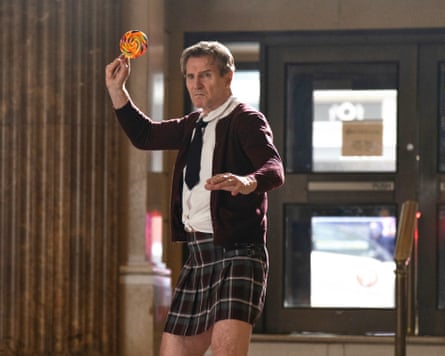
The strange thing is that “comedy” is still very much present at the box office: it’s just that these comedies are often in service of something else, bolted on to another genre or adding levity to “big IP”. Deadpool and Barbie, for example, are both undoubtedly comedic in tone, but they’re also universe-building franchises first and foremost. Comedic twists on action and horror films are everywhere too, from Anaconda to whatever knuckle-headed chucklefest Mark Wahlberg has out this week – but come the final act of those sort of films, the jokes will miraculously vanish, replaced by an overlong, straight-faced set piece (a malaise that even last year’s pretty funny Naked Gun reboot succumbed to). Watching these films, you get a feeling of comedy merely being window dressing, discarded once it has served its purpose. The same might be said of that other multi-hyphenate genre, the romcom, which in its current gooey, streaming-led guise, seems far more interested in the rom than the com.
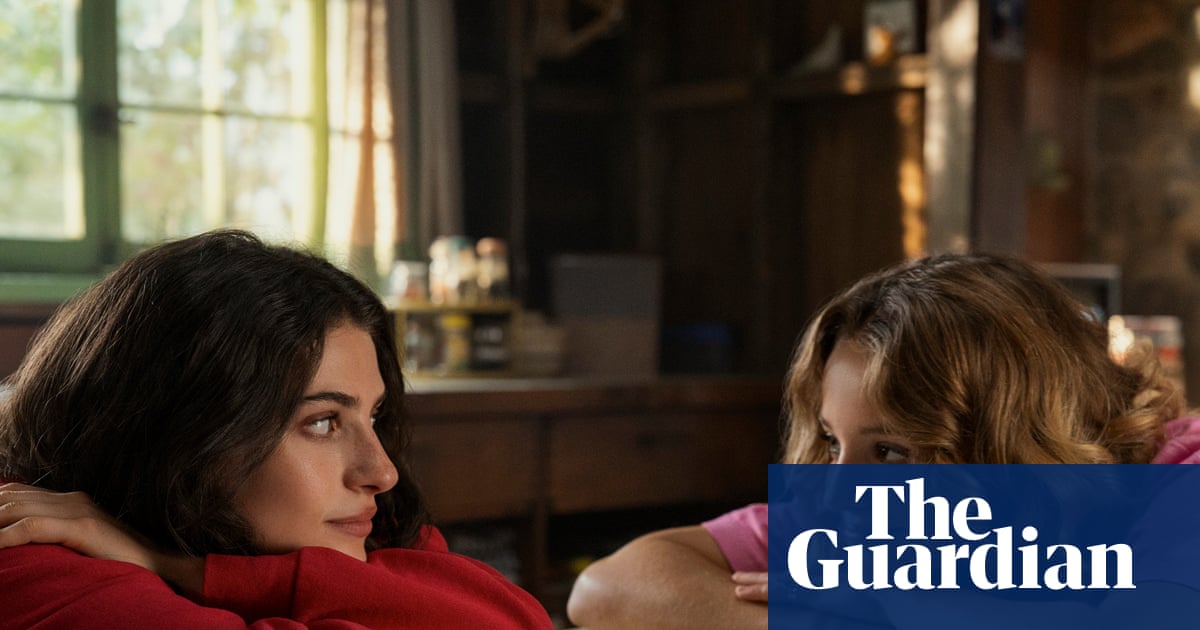
Something closer to pure comedy is still happening at the more indie, A24-shaped end of the wedge, but even there the lines are blurrier. Take The Drama, an unexpectedly guffaw-inducing film that hews to the real-world-situation setup of those everyday comedies: a couple’s wedding planning is derailed by a shocking revelation about the bride-to-be. But that shocking revelation (and no, we’re still not spoiling it!) pushes proceedings into less straightforwardly uproarious, more uncomfortable territory. You could say something similar about (for my money) the funniest film of last year, Tim Robinson’s Friendship (lonely man starts bromance with his neighbour, things go badly awry), which for all its hilarious set pieces, ventures into some deeply weird and very dark places. Both of these films seemed to have more on their mind than the uncomplicated primary-hued humour of the more mainstream comedies that are so absent from cinemas today.
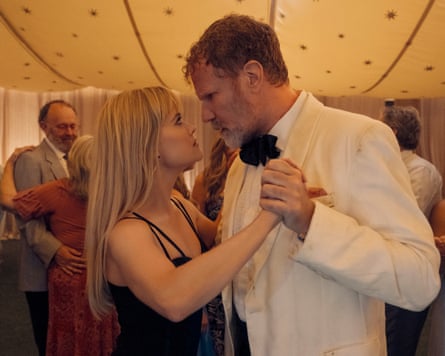
And not just cinemas either. While it’s somewhat understandable that these comedies might have been squeezed out at the box office, where family films and blockbusters tend to monopolise screen space, one of the most baffling aspects to this comedy drought is the unwillingness of streamers to pick up the slack. Amazon made a half-hearted effort with last year’s You’re Cordially Invited (Will Ferrell and Reese Witherspoon go to war over a wedding venue), but largely focuses on those hybrid action-comedies and romcoms, while Netflix seems utterly uninterested the genre, instead sinking most of its comedy money into standup. They do have their hugely pricey production deal with Adam Sandler, which in its early years resulted in some truly awful comedies. In recent years though, even Sandler has increasingly moved away from that genre: with the exception of Happy Gilmore 2, his last two big Netflix films were dramas, in the form of Spaceman and Jay Kelly.
Sandler isn’t alone. It’s striking that lots of the big beasts of American comedy have deserted it in recent times: Adam McKay went into more politicised forms of film-making; Apatow is more focused on production and hasn’t written or directed a film in four years; Seth Rogan and Evan Goldberg have found more mileage in TV with The Studio; and the same can be said of Tina Fey too, whose comedy-drama series, The Four Seasons, is back for a second season later this month.
So is that it? With studios and streamers uninterested, and its leading creators trying other things, is this particular form of bawdy, everyday comedy due for extinction? Will it soon feel like an antique – like the screwball comedies of the 1930s, 40s and 50s? I still hold out hope. Next year, Apatow returns to directing with a comedy about a country-and-western star in freefall, starring Glen Powell, who recently showed his comedy chops with the goofy series Chad Powers. Its name: The Comeback King. Here’s hoping …
To read the complete version of this newsletter please subscribe to receive The Guide in your inbox every Friday