.png) 1 month ago
58
1 month ago
58
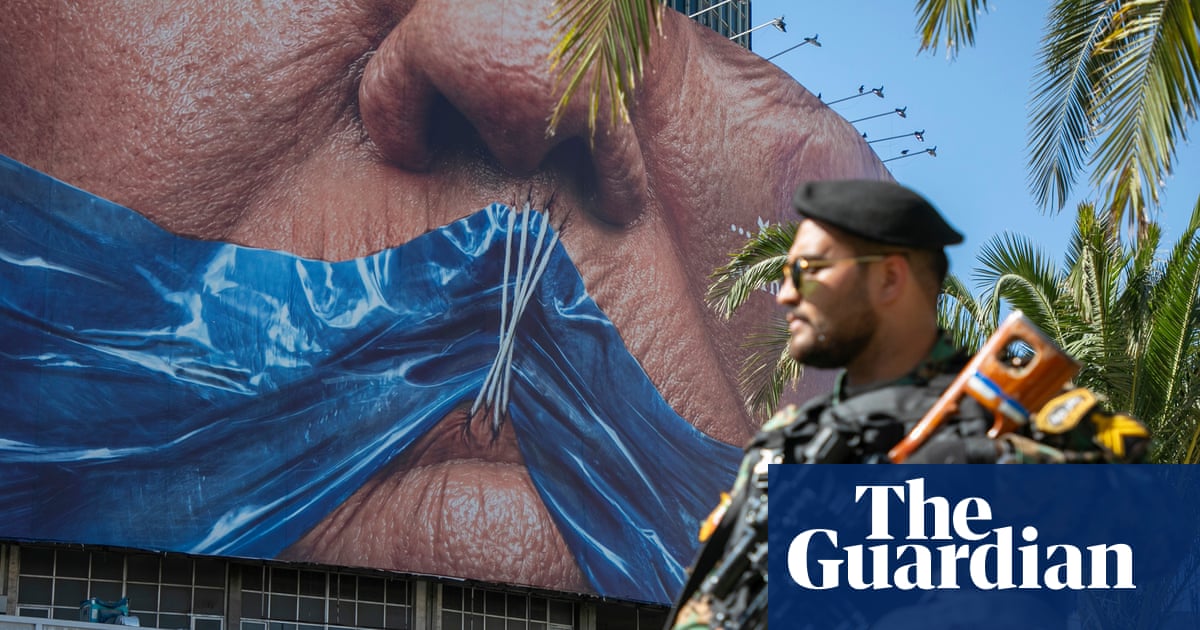
It must be tough for Donald Trump: starting a war with Iran, but finding it terribly inconvenient to finish it before collecting a shiny prize from Benjamin Netanyahu or sharing a stage with China’s Xi Jinping. In war, as in peace, timing is everything. With the global economy teetering on fears of an uncontrolled escalation in attacks on electricity, oil and gas installations in the Gulf, Mr Trump revealed that he was having such “productive” conversations with Tehran that there would be a five-day pause in US strikes on “Iranian power plants and energy infrastructure”. The trouble is that Mr Trump’s talks may not exist. Tehran denies having them.
If real, they would be a welcome de-escalatory step. They are also an admission that Mr Trump’s threat risked consequences more damaging than its intended target. But it also means that after markets close on Friday, Mr Trump could return to “bombing our little hearts out”. It is as unsurprising as it is grotesque that the US president would speak so lightly of potentially killing hundreds of civilians. Neither is Mr Trump likely to have been telling the truth in claiming “major points of agreement” in talks with Iran, including commitments on nuclear weapons and the reopening of the strait of Hormuz.
But messages may have been passed, via Egypt’s foreign minister, between Iran and Mr Trump’s Middle East envoy. Sir Keir Starmer saying that he was “aware” of talks between Iran and the US only confirms that diplomatic engagement is under way, but its scope and substance remain unclear and contested. Uncertainty fragments attention in a moment of crisis. This is important because, quietly offstage, Israel is advancing measures in the West Bank that shift its occupation to annexation. Husam Zomlot, the Palestinian ambassador to Britain, wrote in the Economist last week that Israel’s government aimed to “deal a deadly blow to Palestinian statehood under the cover of war”.
This is a serious charge, but it is not unmerited. The process seems to have begun in February. The Israeli cabinet approved land registration in roughly half the West Bank, for the first time since 1967. Converting land into recognised legal property within Israel’s civilian system would mean large-scale dispossession of Palestinians. Peace Now, an Israeli liberal advocacy organisation, was not wrong in saying that this was illegal under international law.
In recent days, settlers have been reported to have imposed a reign of terror in the West Bank, with Israeli forces looking the other way. The Guardian reported apparently coordinated settler attacks across Palestinian villages, including arson and violent assaults. This, when the world is looking elsewhere. But the thrust of successive Israeli governments is to lock in favourable outcomes before the wind changes.
If Israeli leaders perceive future US support as less certain, with many Americans on the left and right wondering about the cost of the alliance, there is an incentive to consolidate territorial control. That might explain the moves to occupy parts of southern Lebanon and Syria. Mr Trump has threatened to return to war if Tehran does not make a deal. The likelier reality is more prosaic: indirect or mediated contacts, not a meaningful negotiation. Meanwhile, America’s partner against Iran, Mr Netanyahu, is able – in the run-up to an election – to entrench changes that are difficult to reverse, under cover of war.
-
Do you have an opinion on the issues raised in this article? If you would like to submit a response of up to 300 words by email to be considered for publication in our letters section, please click here.