.png) 2 months ago
66
2 months ago
66
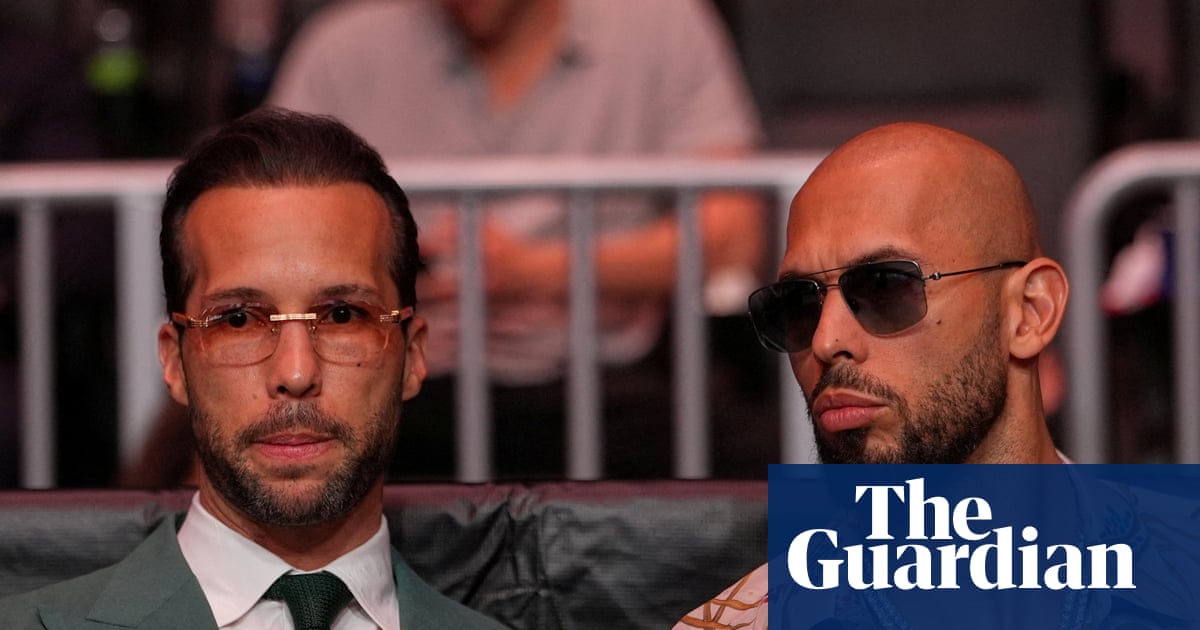
The most shocking revelation in files released on Andrew Mountbatten-Windsor’s appointment as Britain’s trade envoy isn’t that he loves golf or prefers ballet over theatre. It is that no one asked the obvious question: how risky would it be for a headline-grabbing prince with no business experience to front the UK’s commercial diplomacy without formal vetting? The 11 documents that were released on Thursday show that having experience and being an expert weren’t as important as being a member of the royal family. After the Epstein scandal, those assumptions no longer look merely anachronistic. They look dangerous.
The late Queen pushed, wrongly as it turned out, for her son to inherit the role from the Duke of Kent, according to the papers released through a humble address motion. David Wright, then head of British Trade International, wrote that it was her wish for the then Duke of York to assume a “prominent role in the promotion of national interests”. In 2000, royalty was not peripheral to Britain’s commercial diplomacy. It was central to it.
The Liberal Democrat leader, Sir Ed Davey, proved his constitutional worth by getting the government to release the papers relating to the “open-ended” high-profile role for Mr Mountbatten-Windsor. No other candidates were considered. The unpaid job was designed to spare him the burden of board meetings and paperwork while granting him privileged access to Britain’s trade and diplomatic networks. The files show a British establishment so dazzled by royal status that it stopped asking normal questions about power.

Trade diplomacy is about networking: receiving “prominent” visitors, acting as host at meals and receptions, and cultivating relationships at the top. But the informal, personalised diplomacy reads differently after emails emerged that appeared to show the then trade envoy forwarding sensitive information to the disgraced financier Jeffrey Epstein. These allegations led to Mr Mountbatten-Windsor’s arrest this year on suspicion of misconduct in public office. He denies any wrongdoing. The memos do not prove anything in themselves.
But the papers are telling – exposing how the state functioned at the intersection of monarchy, business and diplomacy. They are painfully revealing about class assumptions and royal tastes for the “more sophisticated countries”. But more significantly they raise questions about the nature of soft power. The problem is that Britain created a lightly supervised global diplomacy role and applied minimal scrutiny. In short, optics mattered more than oversight. If it is true that sensitive information was shared with Epstein from inside Britain’s business and diplomatic networks, then the story becomes one of systemic failure.
It is true that even in the late 1990s, Britain relied largely on a constitutional order built on discretion, aristocratic deference and tacit understanding. It was part of the “good chap” theory of government, which had its upsides: public officials acted in good faith, respected implicit limits on their power and adhered to unwritten ethical boundaries. A modern bureaucratic state starts from the assumption that people are flawed, and asks about key roles: what are the reporting lines? What conflicts checks exist? What records are retained? Where’s the compliance framework? These may sound like dry bureaucratic exercises. But they are designed precisely for moments when trust alone proves insufficient.
-
Do you have an opinion on the issues raised in this article? If you would like to submit a response of up to 300 words by email to be considered for publication in our letters section, please click here.