.png) 2 months ago
66
2 months ago
66
Nearly 55,000 children in England live with foster carers, and despite a recent fall in the number of children in care, pressure on the system remains intense. Rising costs and the growing role of private providers in residential care and foster placements have exposed deep weaknesses, yet reform has lagged behind the crisis in children’s homes. Only now have ministers set out plans to reshape fostering. The test is whether their plan fixes the system, or papers over its cracks.
The main thrust of a new policy paper from the Department for Education is that more foster carers are needed to meet a target of 10,000 additional non-profit places by 2029. The children’s minister, Josh MacAlister, who previously led a review of the sector under the Tories, likened the plan to the Homes for Ukraine scheme, which saw nearly 74,000 people volunteer to host refugees fleeing the war. A national recruitment campaign can be expected soon. With around a third of all current carers aged over 60, it makes sense to try to attract new people to their ranks.
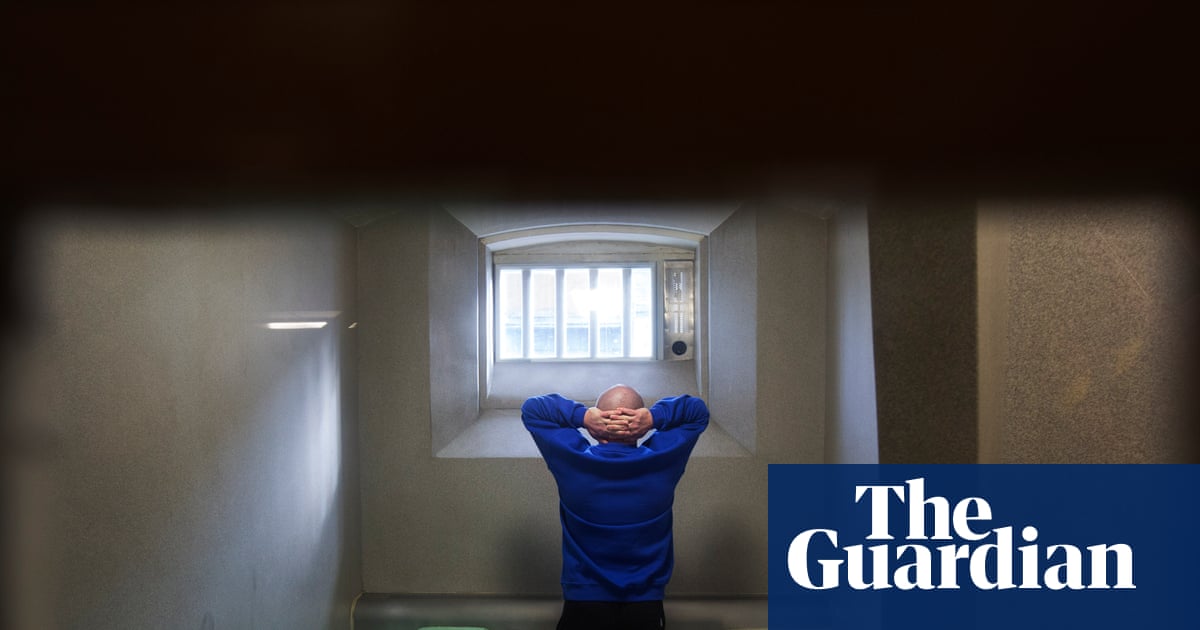
But even the most experienced foster carers do not operate alone. And the rest of the proposals deal with the support systems that surround them. One is for stronger collaboration between councils. Another is for grants so that experienced foster carers can extend or refit their homes to accommodate extra children, potentially including siblings of those already there. A third concerns specialist placements for young people on remand, as an alternative to custody.
Many of these ideas deserve support. Imprisoning vulnerable young people who have not been convicted of crimes should be a last resort. The suggestion of improved local fostering networks is also welcome. These could provide ongoing peer support but also practical help such as temporary respite care. Speeding up approvals makes sense too. There is no reason why this process should take longer than it does for prospective adopters, as at present. And it is right that foster carers should be listened to when decisions about children are made.
Yet significant gaps remain. It is unclear who will lead and sustain this agenda. There is also little sign of firm action on the excessive profits identified by the Competition and Markets Authority in 2022. So far, pledges to end these amount to little more than threats. And it is depressing that it is seen as necessary, in 2026, to explain the benefits to children and families of consistency from social services. Avoiding frequent changes of professionals ought to be among the most basic aims for authorities dealing with looked-after children. Retention of social workers must be improved.
Last year the Institute for Government gave its most favourable rating to children’s social care, in its review of public services under Sir Keir Starmer’s government. Mr MacAlister’s prior involvement in shaping government policy gave him a head start, when he became a minister, and funding has increased (with £555m invested over two years). Children’s social care tends to make headlines only when there is a catastrophic failure, and a child dies. Signs of ministerial action are to be welcomed. Recruiting more foster carers is a necessary but not sufficient fix. Without clear leadership, curbs on profiteering and stable social work teams, the foster care system will remain fragile.