.png) 6 hours ago
6
6 hours ago
6
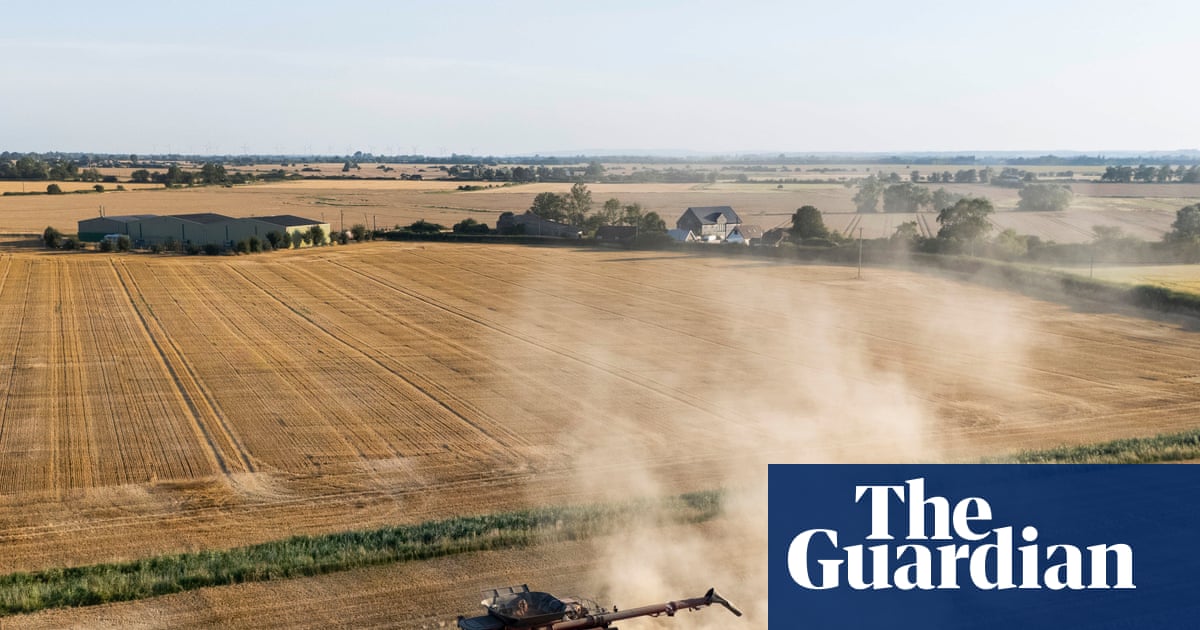
Compared with rising heat-related deaths, and devastating wildfires in the Cairngorms and Suffolk, the announcement that the Royal Horticultural Society (RHS) is considering moving its hydrangea collection from Surrey to Greater Manchester and North Yorkshire might seem unimportant. But it points to geographical differences in exposure to global heating that have arguably never been more evident than this summer, with last month the driest on record. Seven areas of south and east England are officially in drought, along with the whole of Wales.
A drought is less easily measured than a heatwave, which is declared by the Met Office when the maximum temperature exceeds a set threshold on three consecutive days. But the fact that drought is harder to quantify does not make it less damaging. Water shortages are exposing specific vulnerabilities and inequalities, as well as the UK’s lack of preparedness for climate change overall.
Some of the unfairnesses revealed in recent weeks are shocking in their predictability. Exemptions that allow golf courses and schools with large sports grounds to water lawns, when councils and householders are banned from doing so, have led to justifiable anger. But while the insulation of elites from hardship is nothing new, the heightened impact of such patterns in extreme weather requires attention. Privileges such as guaranteed water for golf courses cannot survive a drought. People whose housing, jobs or health make them vulnerable must be shielded.
Andy Burnham has yet to set out his plans for greater public control of water companies. Nationalisation of Thames Water remains a welcome possibility. But it is vital that this industry’s role in exacerbating scarcity and injustice is addressed. Its bosses and shareholders are not solely to blame. The decision to privatise the water industry was taken by a Conservative government, while regulators bear responsibility for chronically weak oversight, particularly of Thames Water, which has been staving off collapse for years. But the extraction of billions of pounds of profits by businesses set up as regional monopolies, while infrastructure including wastewater treatment and storage was neglected, and debts piled up, has been a disgraceful failure. Drought conditions reveal how dangerous this is, since when people are asked to make sacrifices, it is vital that they have a sense of shared responsibility towards a common good.
At least new reservoirs, which store water gathered in winter for use in the summer, are on the way. After three decades during which no major ones were added, the industry has pledged to build 10, with two in the dry east of England given priority status. But questions remain over the viability of plans to build thousands of new homes in drought-prone areas, and the difficulties faced by farmers, who want it to be made easier to build reservoirs specifically for use on their crops. Water recycling and conservation efforts are also far behind where they should be, with household water use in England and Wales among the highest in Europe.
With the climate in the south of England increasingly resembling that of the Mediterranean, those able to move may increasingly look north – following the RHS’s hydrangeas. Global heating will reinforce old patterns of inequality, but it will also create new ones. Societies and governments must prepare for both. This summer’s drought makes it clear how urgent this is.