.png) 1 month ago
54
1 month ago
54
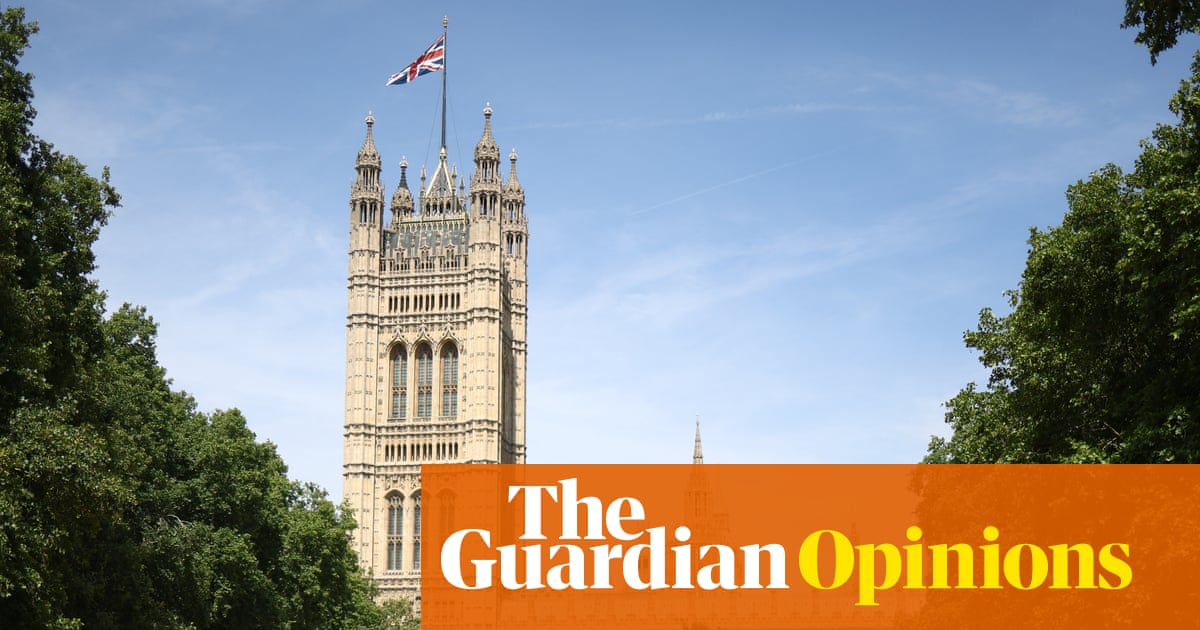
The UK supreme court has ended a system of safeguards around the human rights of disabled people that has been in place for over a decade, in its recent ruling on a legal question brought to it by the attorney general of Northern Ireland. In doing so, the judges have alarmed charities and disability advocates and pushed a little-discussed aspect of social care regulation into the spotlight.
Any person “under continuous supervision and control” and “not free to leave” the place where they live has until now been entitled to protections known as deprivation of liberty safeguards (Dols). These are part of the Mental Capacity Act, and include annual assessments. While the safeguards mostly apply to older people with dementia, children and younger adults with autism, learning disabilities and brain injuries are also covered.
This system is widely recognised to have been overwhelmed. There were about 20,000 Dols applications per year before a case known as Cheshire West, in 2014, widened eligibility. The figure for England in the year to April 2025 was 364,000. In response to a huge backlog, a streamlined process was legislated for in 2019, but not enacted.
This is the backdrop against which Northern Ireland succeeded in its application to relax existing rules on the grounds that the 2014 judgment was wrong. In future, people lacking mental capacity in legal terms may be viewed as consenting to restrictive care if their wishes are being met. Disability charities are rightly deeply concerned. In the original ruling, Brenda Hale wrote that the “extreme vulnerability” of those involved required erring on the side of caution.
As in other areas where public authorities are failing to meet obligations, there is a sharp divergence of views between service users and rights groups, and councils. While the former point to the hazards for vulnerable individuals, local authorities are frustrated by what they see as poor use of scarce resources – and cite inappropriate inspections of family homes as an example. Optimistic social care bosses hope that more selectively applied safeguards could lead to better outcomes.
But while some experts agree that the previous position was untenable, and point to safeguards in other countries outside the “deprivation of liberty” framework, the problems that follow from reduced protections must be acknowledged. Safeguards were established to mitigate the risk of human rights being given insufficient weight by overburdened social care departments. If the supreme court’s decision leads to reduced consideration of how people in care homes feel about their lives, or weaker oversight of closed settings such as those where abuse has occurred in the past, harm is the probable result.
The substance of the ruling is not the only contentious aspect of this unusual case. The Northern Ireland executive brought this case, and ministers from the Scottish, Welsh and UK governments were all involved. A highly significant change is thus taking place without either a parliamentary debate or a case working its way up through the lower courts – at a time when Louise Casey is already reviewing the wider social care system. Having supported Northern Ireland’s initiative, the Department of Health and Social Care must urgently explain to the public why it acted as it did, how the new Dols system will operate, and what safeguards will be put in place for those who have lost an entitlement.