.png) 1 month ago
58
1 month ago
58
The UK’s increasing sobriety will be recognised from next month in the basket of goods used to calculate inflation after alcohol-free beer was added to a list by the Office for National Statistics totalling 760 items.
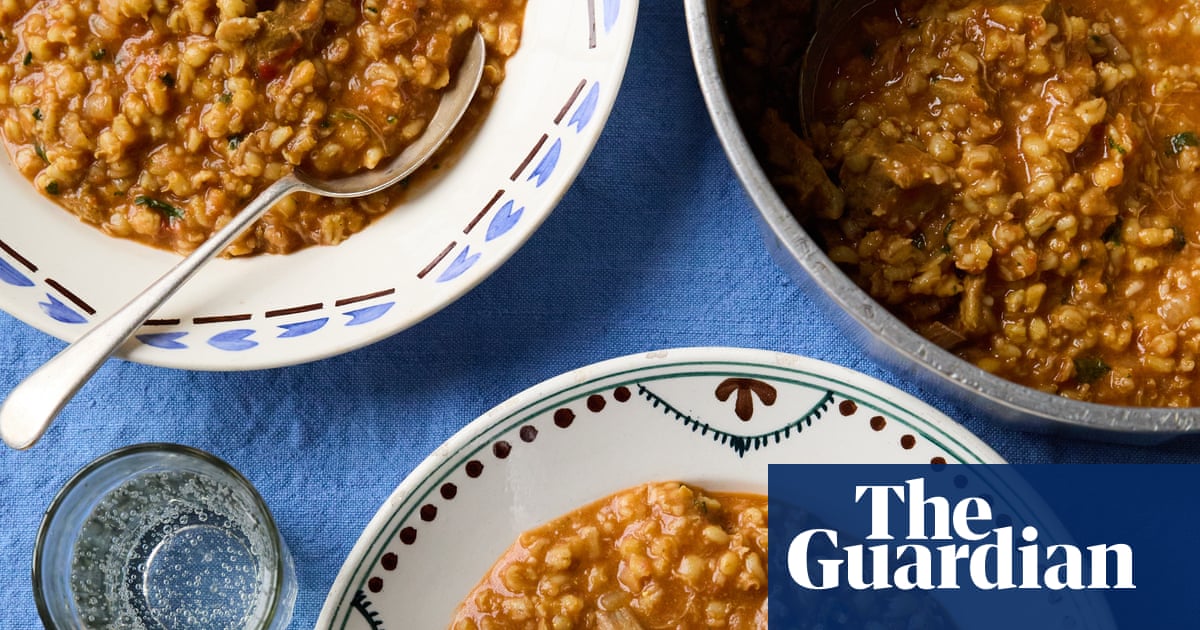
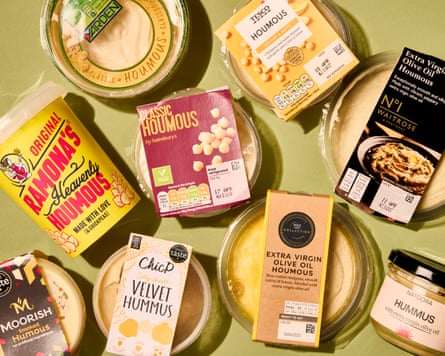
Hummus and pet grooming were also included in the list of goods and services used to help judge the impact of rising prices on the cost of living.
The new data will feed into the consumer prices index (CPI), the retail prices index (RPI) and the consumer prices index including housing costs (CPIH), which is the ONS’s preferred measure of inflation.
Alcohol-free beer was included after sales increased, as did “the product range and shelf-space devoted to the product,” the ONS said.
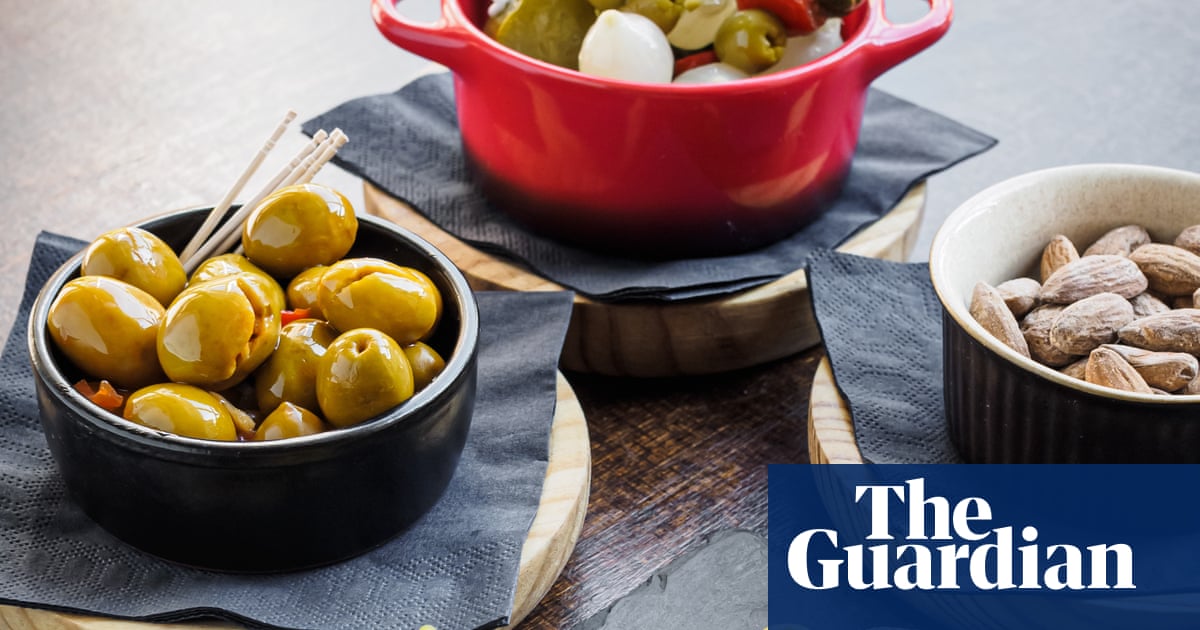
Hummus gained the attention of statisticians after the “increasing popularity of this item among health-conscious consumers, with estimates of expenditure rising to around £170m in 2024”.
Dashboard cameras were another addition to the basket after sales reached about £150m in 2023 “and estimated to rise further, as consumers hope to lower their insurance costs and provide parking security,” the ONS said.
Motorhomes entered the list after a rise in sales, most likely in tandem with the boom in early retirement.
Danni Hewson, the head of financial analysis at the stockbroker AJ Bell, said: “Since the pandemic many of us have tried to embrace healthier lifestyles and the proliferation of no- and low-alcohol options helped people change their drinking habits, especially as competition pushed brewers to serve up more quaffable choices.”
She said the increase in hummus coincided with the explosion in weight-loss drugs, with consumers increasing their intake as part of a low-calorie diet, while the vogue for owning smaller dogs had increased the demand for pet services.
“The popularity of ‘doodles’, or poodle-cross dogs with curly coats, has seen increased demand for pet grooming, which is the No1 expense for animal owners after health checks,” she added.

To make space in the virtual basket, bottled premium lager bought in pubs and restaurants has been ejected. The ONS will also ditch sheets of wrapping paper in favour of rolls of wrapping paper, which are easier to track.
The next inflation figures, covering the year to February 2026, will be published on 25 March and are due to be based on the revised list of items.
After years of trials, the independent statistics agency will also include a more comprehensive set of data based on electronic feedback from retailers.
The ONS said it willscan data from 300m price points from more than 1bn products sold each month, replacing a system that relied on 25,000 price points checked in-store by ONS inspectors.
The Bank of England is expected to hold interest rates at 3.75% when policymakers meet on Thursday. They will include in their analysis the January CPI figure, which fell to 3% in January from 3.4% in December, but will be concerned at a likely rise during the spring and summer as high oil prices from the Middle East conflict feed through into higher prices for items like transport and food.
Hewson said: “With many households bracing themselves for inflation to edge back up as the Iran war continues to push up the price of oil, the impact of rising costs will remain at the forefront of many people’s minds as they strive to budget for the life they want to live.”
The Bank of England’s official inflation target is 2%.