.png) 1 month ago
49
1 month ago
49
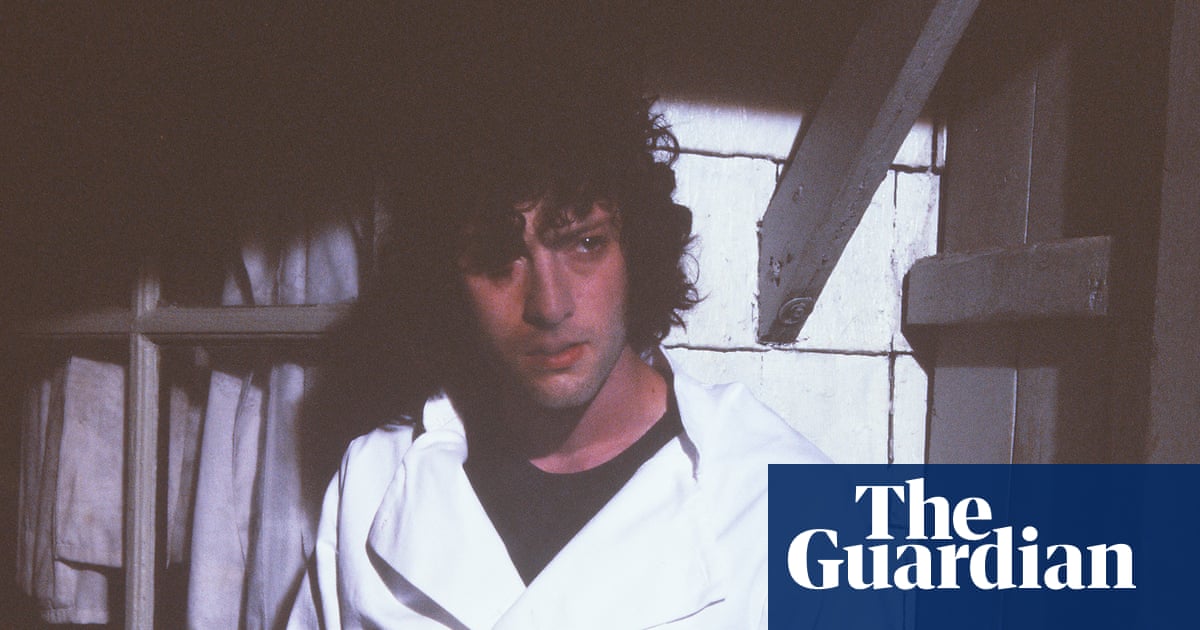
Few showbusiness careers begin in a towering blond beehive in the gay pubs of Vauxhall and end with MPs pausing prime minister’s questions to pay tribute.
But a new play inspired by the life of Paul O’Grady will chart the beginning of that unlikely journey from care worker to Lily Savage, with her dextrous use of expletives, to national treasure presenting heartwarming teatime TV shows about rescue dogs with Queen Camilla.
Developed with the support of O’Grady’s widower, Andre Portasio, Savage will receive its world premiere at Curve Theatre Leicester next February before a planned run in London’s West End.
Danny Beard, a winner of RuPaul’s Drag Race UK, will play O’Grady. He said that telling his hero’s story “feels terrifying”.
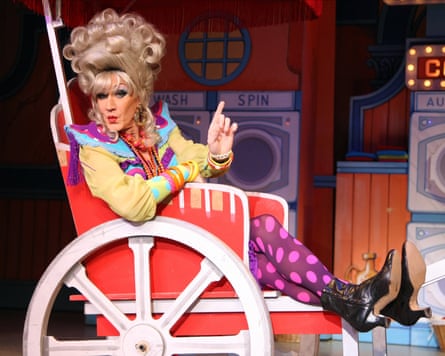
“Paul was uniquely loved across all different age ranges and communities. He really was a national treasure,” he said.
Beard said the production offered younger audiences a chance to encounter a very different era of drag to the one they might know. “Today, drag has become Americanised,” he said. “It’s four minutes of lip-syncing, a polished look and a fantasy. But Lily Savage was the real deal: a singer, performer and comedian who could hold a room for an hour.”
That, said the playwright Jonathan Harvey, whose credits include Beautiful Thing, Gimme Gimme Gimme and Closer To Heaven, was one reason he was keen to bring O’Grady’s story back to the stage. “I want the younger generation to see whose shoulders today’s drag queens are standing – or sitting – on,” he said.
Savage explores the years before O’Grady became a fixture of mainstream British television, charting the years he performed through the Aids crisis, openly mocking police officers during raids on gay venues (including when they all wore rubber gloves in case of contagion). During one raid, O’Grady initially thought the police squad were strippers – a supposition he was swiftly disabused of when he was briefly arrested.
The play also pays tribute to O’Grady’s bravery when, off stage, he regularly visited men dying of Aids-related illnesses in hospital, sharing cigarettes with them in solidarity before Aids was understood or effective treatments developed.
Harvey said he was deeply grateful to have had something few writers of posthumous dramas enjoyed: the chance to hear what his subject thought of the script.
“I sent Paul the first draft of the play just a few months before he died and he was really happy with it,” he said.
“Why wouldn’t he be?” he added, with a guffaw. “There’s hardly a line of dialogue in the play that isn’t taken from one of Paul’s autobiographies.
“Paul really liked the sound of his own voice – his first autobiography is quite long and ends when he’s just turning 17. As a result, I had this embarrassment of riches to work with, which made writing an absolute joy,” he said.
After O’Grady died, Harvey put the play away for a couple of months. “This work that had been celebratory had taken on a much sadder note,” he said. “When I brought it back out, it was still a joy, but it was now about honouring someone dearly loved, who had left us.”
The play ends with O’Grady retiring Savage in 2005, claiming she had swapped her favourite tipple of Blue Nun for life in a French convent.
Yet, as Harvey’s script hints, the character’s disappearance would do little to slow the performer’s ascent: by the time of his death, aged 67, O’Grady was one of the country’s most recognisable broadcasters, working not just on this play but preparing to record a new programme for Boom Radio.