.png) 1 month ago
62
1 month ago
62
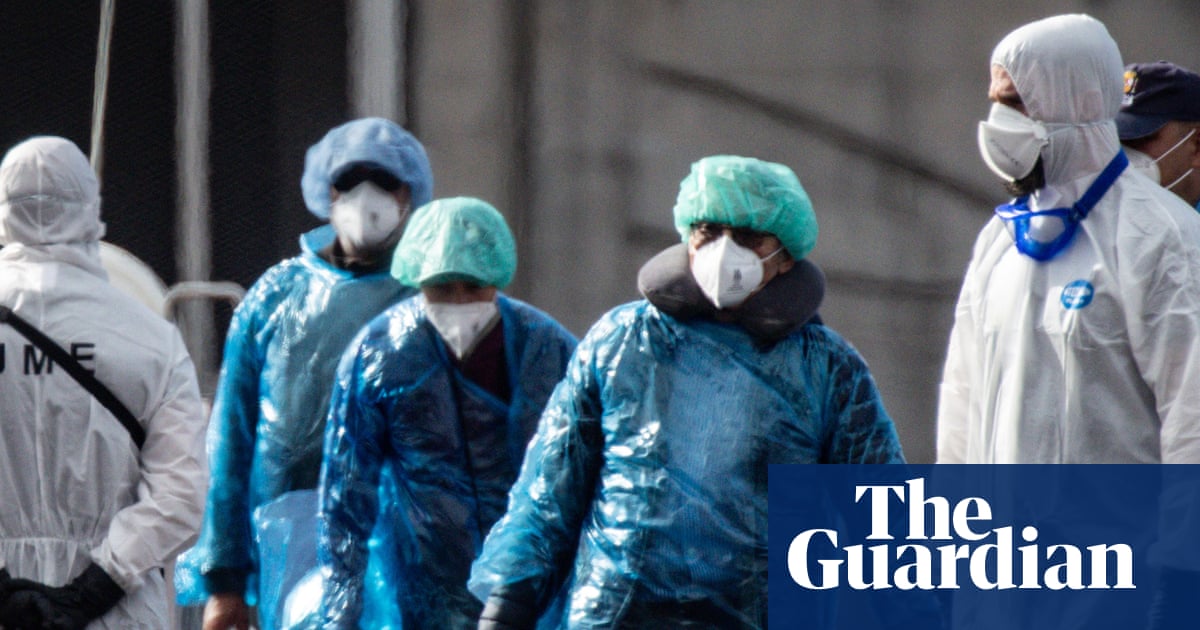
Pharmacies in England are reporting a surge in demand for meningitis vaccines after an outbreak in Kent claimed the lives of two young people and left others in hospital.
However, experts have advised against rushing to get a jab, stressing public health authorities are best placed to determine if vaccinations are required – and for whom.
The National Pharmacy Association (NPA) says 87% of 300 pharmacies responded to a snap survey, revealing considerable rises in requests by worried parents for meningitis vaccines. These are typically only given by pharmacies as part of travel services, but some pharmacies received 30-40 requests on Tuesday morning. In addition, some patients have attempted to pre-emptively order antibiotics.
“Pharmacies are getting unprecedented levels of requests for meningitis vaccinations and many are unable to order in supplies from wholesalers,” said Olivier Picard, chair of the NPA.
The clamour for jabs follows an outbreak of invasive meningococcal disease in Canterbury that has been confirmed as being caused by a B strain of meningococcal bacteria.
At present, MenB vaccinations that protect against some B strains are offered to children when they’re eight weeks, 12 weeks and one year – old. However, the vaccine was only introduced in 2015, meaning young people heading off to university will not have been vaccinated – unless they paid for it privately. The full course costs £220, according to the pharmacy chain Boots.
However teenagers are offered the MenACWY vaccine, which is available on the NHS for people up to the age of 25 and protects against four other groups of meningococcal bacteria.
Unlike the MenB vaccine, the MenACWY vaccine also protects against carriage of the bacteria – meaning high uptake in teenagers can essentially block transmission in the community.
Experts say the success of the MenACWY has led to a fall in cases related to these strains in young adults. MenB is the leading cause of invasive meningococcal disease (IMD) in all age groups.
The situation has led a number of charities, organisations and parents to call for the MenB vaccinations to be made available for young people on the NHS.
One mother of a university student, who preferred not to be named, said: “The government should offer the MenB vaccine to students attending any large institutions where the strain is now known to be the leading cause of IMD in all age groups. .” At the very least, the government should broadcast loudly and clearly that currently students are not vaccinated, she added.
Amira Campbell, president of the National Union of Students (NUS), said there was simply not enough awareness of meningitis, especially as young people head off to university.
“The meningitis vaccines should be offered on the NHS for young people – there should never be a cost barrier to life-saving vaccines. And until then, universities and colleges themselves should consider offering it to their students as no lives should be lost to a preventable illness,” she said.
Prof Adam Finn, expert in paediatric vaccinations at the University of Bristol, said there is “some value” in vaccinating young people with the MenB jabs privately before they go to university – although protection was only partial, and waned over time.
But, he said he would “strongly advise” people against buying vaccines for their young adult children at this point.
“First of all, the two vaccines that exist, the ones that are available in the UK, don’t cover all of MenB [strains]. And it’s not clear at this point whether the strain that’s causing this outbreak would actually be in any way usefully prevented by the MenB vaccine,” he said.
Finn also noted the protection afforded by vaccinations could take several weeks to materialise – by which time the current outbreak would be over.
“It’s much better when you’ve got an outbreak like this to have a coordinated response. And if there is some value in providing vaccination, you can be sure that the public health authorities will do that. They’ll obtain the right vaccine and they’ll give it to the right people,” he said.
Prof Sir Andrew Pollard, director of the Oxford Vaccine Group at the University of Oxford, said the MenB vaccine had very much reduced the rate of disease in young children, and was cost-effective for the NHS in this age group.
But he added: “The vaccine is not currently offered to teenagers as the rate of disease is so low that vaccinating everyone would cost a lot but wouldn’t prevent many cases and would not meet the rules on cost-effectiveness used by the NHS.”
Pollard also warned against complacency over the decline in cases linked to other strains.
“Falling coverage of the MenACWY vaccine in teenagers could allow these strains to return,” he said. “This recent outbreak is a reminder of the importance of getting jabbed.”