.png) 2 months ago
58
2 months ago
58
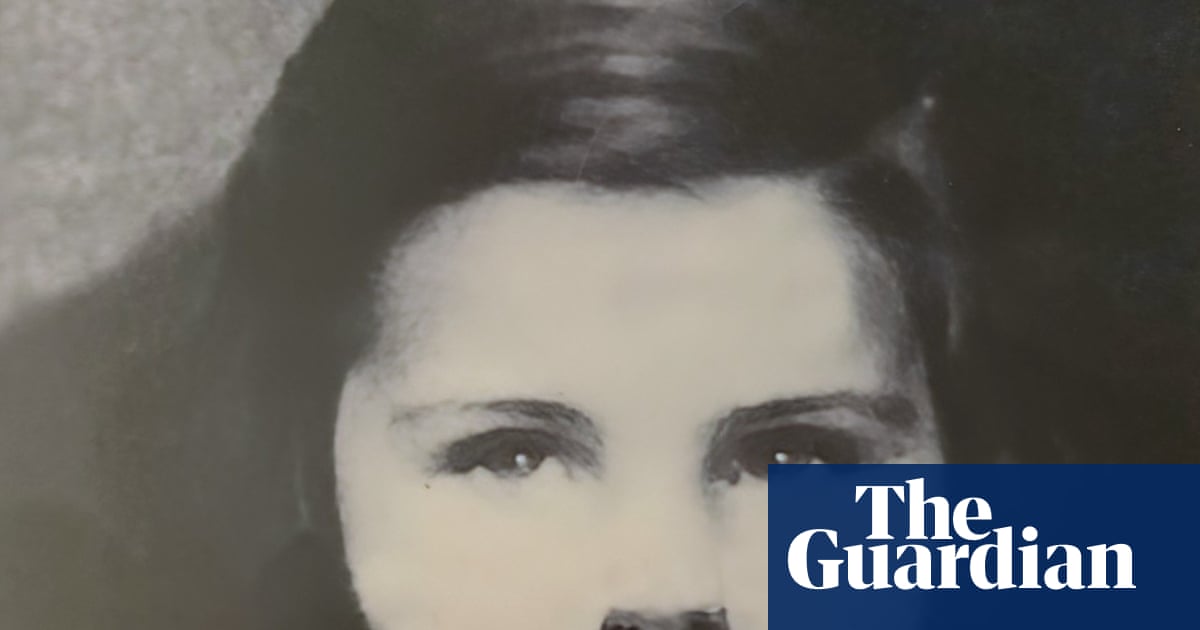
The highest human rights court in Latin America condemned Peru on Thursday over the death of its citizen Celia Ramos, who died at the age of 34 in 1997 after undergoing sterilisation “under coercion”.
The landmark ruling by the inter-American court of human rights (IACHR) is the first on Peru’s forced sterilisation programme, which operated between 1996 and 2000 and was directed against poor, rural and Indigenous women.
The court held the Peruvian state “internationally responsible” for the violation of Ramos’s right to life, health, personal integrity, family, access to information and equality before the law.
The court determined that Ramos “was pressured by health personnel to undergo a tubal ligation” on 3 July 1997, in a makeshift facility that “did not have the necessary equipment or medications for proper risk assessment or to deal with emergencies”.
Ramos, a mother of three girls, suffered a “severe allergic reaction” during the operation and died 19 days later.
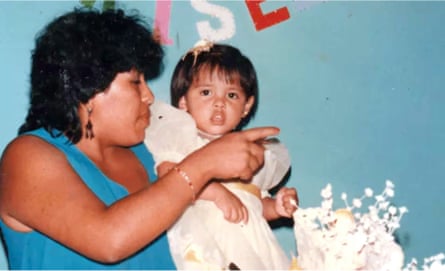
The Peruvian state was found responsible for the “lack of due diligence and unjustified delay in investigating what happened” and for the impact Ramos’s death had on her daughters, husband and mother. As a result, the state had “violated the rights to personal integrity [and] family, and the rights of children”.
The mass sterilisation of hundreds of thousands of women in the 1990s is regarded as Peru’s most flagrant violation of human rights under the late former president Alberto Fujimori.
Neither Fujimori nor his health ministers were ever prosecuted for the campaign, which, according to the court, “resulted in more than 314,000 sterilisations of women and 24,000 of men, many under coercion and without valid consent, mainly affecting Indigenous women and those living in poverty or extreme poverty”.
The ruling noted that Peru’s National Reproductive Health and Family Planning Programme had set numerical targets for women of child-bearing age.
Catalina Martínez Coral, associate director at the New York-based Center for Reproductive Rights, welcomed the ruling as a victory for human rights at a press conference in Lima on Friday attended by two of Ramos’s daughters.
“Yesterday, history was made not only for women in Peru but for the region and the world,” she said. “The court recognises, reiterates and reinforces that sexual and reproductive rights are human rights.”
Marisela Monzón Ramos, 39, the eldest of Ramos’s daughters, told the conference: “We represent all of those thousands of women that suffered so much over so many years.
“For us, with this sentence, we are reliving what we have carried for so many years. It is both difficult and comforting.
“Although we have obtained justice and recognition of the truth, it does not take away from the injustice that Celia Ramos and other women lost their lives,” added Monzón Ramos, who was 10 years old when her mother died.
María Ysabel Cedano, a lawyer for Demus, a Peruvian women’s rights organisation, which first presented the case to the Inter-American Commission on Human Rights in 2010, said: “What happened to Celia Ramos is the story of thousands of victims.”
In 2021, an IACHR report declared that the Peruvian state was responsible for the violation of Ramos’s rights and recommended reparations be paid and measures be taken to prevent any repetition.