.png) 1 month ago
28
1 month ago
28
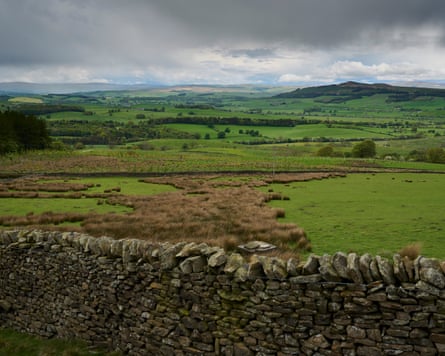
From a high point on the hill, the North Yorkshire landscape unrolls below. The moorland above gives way to grassland, trees and then pasture, divided by the region’s traditional dry stone walls.
The view may be idyllic, but it belies the condition of parts of this land, belonging to the sprawling 1,100 hectare (2,500-acre) Broughton Sanctuary estate, near Skipton.
The area, however, is about to undergo a transformation as an ongoing rewilding project gets funding from the investment fund Rebalance Earth.
This is the latest scheme for the firm, which calls itself a “natural capital asset manager” and which aims to treat nature as critical infrastructure and something that can be invested in, to achieve environmental and economic gains.
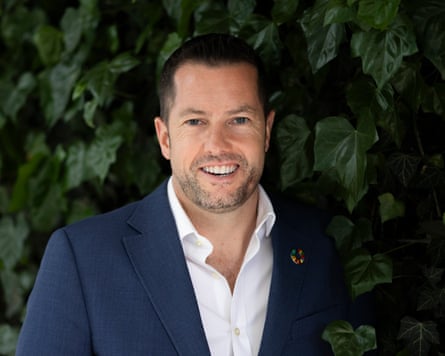
The sweltering days experienced by much of the UK in May and record-breaking temperatures followed by heavy rainfall in June highlighted the urgency of nature restoration, says Rebalance Earth’s co-founder and chief executive, Rob Gardner.
“People start connecting the dots … There is a shift in mindset from ‘this is an episodic thing, aren’t we unlucky’ to ‘actually this is now going to happen more and more.”
The land once known as the Broughton Hall estate, located at the gateway to the Yorkshire Dales, has been owned by the Tempest family for almost 1,000 years.
The current custodian, Roger Tempest, is the 32nd generation of his family to oversee the land given to his ancestors in 1097, a time when wolves still roamed wild in England.
When Tempest inherited the estate as a child, the main house was in a state of disrepair, with “no heating and bats flying around”, he remembers, while much of the land was pasture that was suffering after years of intensive farming.
When he came of age, Tempest set about renovating the derelict former agricultural buildings, and creating a business park with modern office space. About 700 people are now employed by 50-odd companies operating on the estate, while the main house and surrounding cottages have been restored.
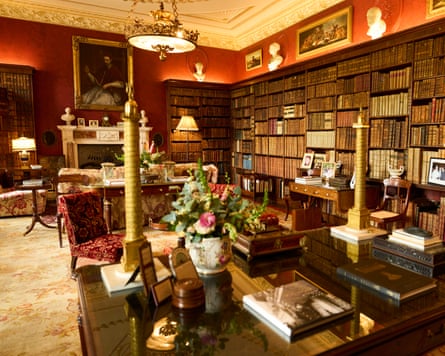
The main house has appeared on screen in films and TV shows, including Channel 4’s A Woman of Substance and the BBC’s Gentleman Jack. The estate also hosts year-round yoga retreats and other getaways, where participants can enjoy the on-site spa complex.
The income generated from these projects allowed other change to begin.
“We regenerated all the buildings and the architecture, and I think we were guilty of forgetting about the land,” says Tempest.
This first began to change in 2021, when he embarked on a nature recovery programme to restore the woodlands, wetlands, grasslands and meadows by planting native trees and managing habitats. This coincided with two sheep farmers deciding to end their tenancies, freeing large areas of land.
A staggering 330,000 trees have been planted in the past five years, and changes to the landscape have seen otters and wading birds such as curlews return. The pair of beavers introduced last April have also wasted little time chewing through trees and building dams and lodges to change watercourses. They have also just had their second litter and, on the day the Guardian visits, the cries of two kits are audible from the fence of their enclosure.
“We have done a lot, but all that was funded was trees,” says Kelly Hollick, nature recovery manager at Broughton, of the grants previously received.
The funding from Rebalance Earth – described as “a few million” by Gardner – will allow them to “unlock the next level of rewilding” across two-thirds of the estate, totalling about 700 hectares, adds Hollick.
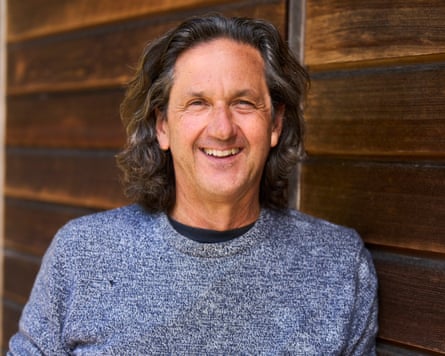
Spruce trees will be felled, with native species and shrubs planted in their place to create diverse habitats. Iron age pigs and Dales ponies will also roam on fields where sheep once grazed, helping to break up the compacted earth and allow grasses and plants to thrive.
Food will still be produced on the estate, from its orchards, allotments and about 60 cattle.
The project is clearly advantageous for the natural environment, but Rebalance Earth insists it can also benefit the economy.
The company says transforming degraded land into a thriving natural ecosystem can “generate financial, environmental and social returns”.
Gardner, a City veteran who worked as an investment banker and investment director at the wealth management firm St James Place, believes money can be used “as a force for good”.
Rebalance Earth funds the restoration of large ecosystems, including rivers, wetlands and parts of the British coastline, and companies pay it for helping to prevent environmental disasters including flooding, drought and coastal erosion, which can have costly impacts on people and businesses.
The Skipton project is local to Rebalance Earth’s backer, the West Yorkshire Pension Fund, which has invested £25m in the company.
Restoring natural processes at Broughton – increasing biodiversity and helping the land hold more water – is expected to benefit the community, while the estate will also generate income from nature credits, biodiversity net gain (BNG) units and carbon credits linked to long-term carbon sequestration.
Since 2024, all new road and housebuilding projects have been required to benefit nature, meaning all such schemes have to achieve a 10% net gain in biodiversity or habitat. This means that if, for example, woodland were to be destroyed by building a road, another would need to be recreated, in the same location or elsewhere.
If developers cannot do this, they are permitted to buy biodiversity units from third parties. It is this market for BNG credits that Rebalance Earth is tapping into at Broughton, through credits that have been calculated by rewilding consultancy Ecosulis and its fintech spin-off CreditNature.
Gardner says the companies buying these credits include “national players who operate up and down the country but have [developments] nearby and a lot of businesses that are in the region, and then hyper-local ones which might even be on the [Broughton] business park”.
The climate crisis has made many in Britain more attuned to the risk of flooding and drought, and water is a common theme across Rebalance Earth’s other projects.
These include the creation of oyster reefs off the coast of north Norfolk, which are not for eating but for rebuilding the marine ecosystem, as well as the work with 50 north-east Cotswolds farmers to “rewiggle” the River Evenlode in Oxfordshire.
The Evenlode – like 90% of rivers in the UK, according to Rebalance Earth – was artificially “straightened” in the past by farmers as a way to drain the land to make it available for crops. However, over the years, straighter rivers have meant that water has flowed faster, causing more erosion and pushing the flooding risk downstream.
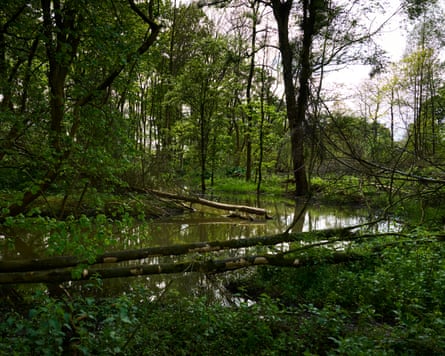
The Evenlode project is bringing back the river’s original curves so it can connect with its floodplain to help reduce flood risk, improve the soil and increase biodiversity.
After much of Britain sweltered in unseasonable heat in late May, Gardner believes that more consumers, investors and businesses are recognising climate risks. Indeed, the £3.6bn Bedfordshire Pension Fund agreed earlier this month to a 3% allocation to natural capital investments in order to expand its climate solutions portfolio.
Back in Yorkshire, Rebalance Earth’s investment will help with the “difficult bit” of rewilding, according to Alastair Driver, former director of Rewilding Britain, who has been involved with Broughton for several years.
“The hard bit is the work we are doing, holding water on the land, keeping the soil wetter for longer, that’s really tough,” he says.
Advocates of rewilding, such as Driver, say rewilding large blocks of land that sit alongside agriculture and parkland achieve the biggest transformation, as at Broughton.
“It’s really difficult to be doing things at this kind of scale, but now we’ve got this opportunity,” he says. “It’s difficult because it’s hard to find the funding and it’s hard to get permissions. We’ve now got this all in one land ownership. It’s really exciting and is going to be one of the most significant projects in the country.”