.png) 3 months ago
77
3 months ago
77
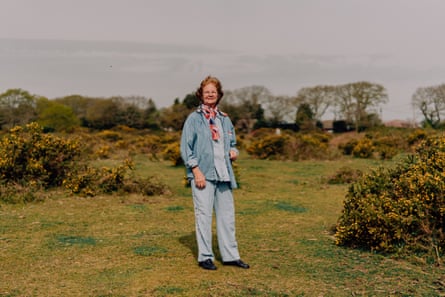
Della Keable could not hold back the tears as she explained how her family had lived in the forest for centuries, making a living among the trees, loving the tight-knit feel of the place. “I’m sorry,” she said as the emotion got too much. “But the forest is part of our souls.”
Keable is among thousands of people protesting against the UK government’s decision to split up the administration of the New Forest as part of local government reorganisation.
A swathe of the eastern end of the forest, which is famed for its free-roaming ponies and pigs, will become part of a new authority, South West Hampshire, which includes the city of Southampton. The other chunk of forest will come under a second new authority, Mid Hampshire.
Many of those living in the eastern portion are angry, feeling they are being “annexed” and hating the idea of city-focused politicians having a say over their rural lives.
“I’m steaming,” said Teresa Barnes, who was born here and who counts “verderers”, officials who regulate the rights of the “commoners” to graze animals in the woods, among her family. “This is a very precious, traditional kind of place. We don’t want to be lumped in with an urban area. We have to stop it.”
The government announced the changes, due to come into effect in 2028, at the end of March. They are part of what the housing secretary, Steve Reed, called a “once-in-a-generation chance” to reform local government and make sure councils “match the modern realities of our places”.
A campaign group, New Forest Together, was rapidly set up and within two weeks had delivered more than 20,000 leaflets, with more than 10,000 people signing a petition opposing the changes.
The group argues the reorganisation would place large areas in a “city-centred” authority and is calling on the current New Forest district council to take legal advice and prepare for a judicial review.
James Hartley-Binns, one of the campaign co-ordinators, claimed it was a “takeover” by Labour-run Southampton city council.
“This is a land grab,” he said in a passionate speech to people who had gathered to discuss the situation on Blackwell Common. “We have been a community for more than 1,000 years. The forest is part of our DNA but it’s going to be fragmented. This is our home, our heritage and it is at risk.”
The eastern section of forest in question borders Southampton Water and as well as lovely countryside and coastline, includes the Fawley petrochemical complex – the UK’s largest – and Marchwood military port, which is being redeveloped to ease pressure on Southampton.
This has led some to suspect the reorganisation, which was backed by Southampton city council, is all about money.
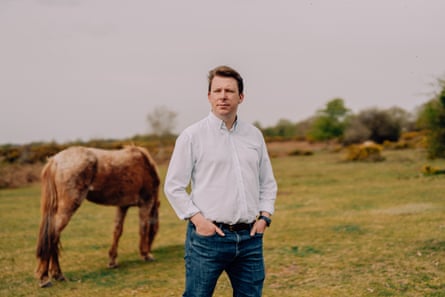
Tony Croucher, a former union branch secretary at the refinery, said: “I reckon this is about Southampton seeing there is money to be made here. They’re after the refinery and port money.”
Croucher lived in Southampton as a boy and says he has no problems with the place. “But it’s different to here. If they tried to merge Southampton and Portsmouth, there’d be all-out war.”
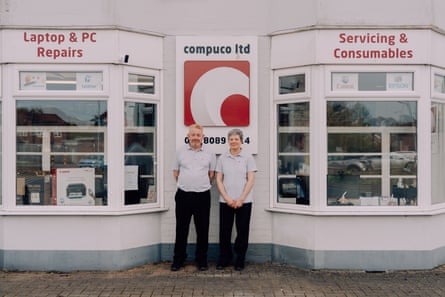
Dean and Jennifer White, who run a computer shop in the village of Blackfield, said they feared the new authority would put up their business rates. “They may not be as sympathetic to small forest businesses,” said Dean White.
The debate comes at a time when the New Forest Commoners Defence Association believes it is making progress in its wish for commoners to be recognised as a national minority – like Cornish people.
While the UK government has not formally recognised them, it has acknowledged that, like all minority communities, they are entitled to support.
Andrew Parry-Norton, the chair of the association, said: “Under this reorganisation, the forest isn’t going to be united. The place is unique and relies on every part to make the whole.”
He said one specific concern was that “backup grazing” along Southampton Water would be built on. “That land is used to put animals on during the winter months when grazing gets short in the forest. It’s a vital part of the ecology of the forest.”
Southampton city council championed the reorganisation, arguing it brought together communities that, while distinct, were already closely connected, with strong social, economic and transport links.
A spokesperson said: “We are committed to working closely with local people, existing councils and the national park authority to ensure the new council is set up to succeed and respects local heritage and identities.”
The Ministry of Housing, Communities and Local Government stressed the scheme did not mean part of the New Forest was being absorbed into Southampton.
A spokesperson said: “These changes will make public services better by bringing them under one council, so that local people get the best possible social care, education and bin collections.”
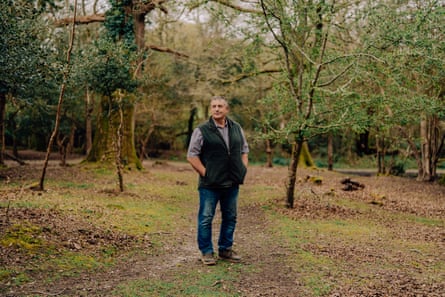
The arguments did not wash with the forest residents Georgie Rand, a yoga teacher, and her 10-year-old son, Will. Rand said the reorganisation ignored the deep emotional connection humans had to specific geographical locations.
Will explained that the forest was created by William the Conqueror, 1,000 years ago as a hunting ground. “I’m worried they’ll want to build more houses and roads here. It’s disrespectful.”