.png) 1 month ago
54
1 month ago
54
Asylum seekers who arrived in the UK in small boats and were forcibly returned to France under the controversial “one in, one out” deal have returned to the UK in lorries, the Guardian has learned.
When asked about the recent returnees, the Home Office said that people who came back to the UK after removal to France were detained and returned to France at the earliest opportunity. Amnesty International UK has called for “one in, one out” to be scrapped.
The Guardian is aware of at least four returnees who travelled back to the UK by lorry in the last two weeks. Two, who came in separate lorries on 5 March and 7 March, are now back in a detention centre. Both said they were returned forcibly to the UK by smugglers who want to try to break the “one in, one out” scheme, which involves one person who crosses the Channel in a small boat being sent back to France in exchange for another in northern France being brought to the UK legally.
The other two “one in, one out” returnees came in a lorry on 12 March as part of a larger group whose backgrounds are not known. They are understood to currently be in London living under the radar.
Prior to 2018, lorries were the primary way asylum seekers crossed the Channel. They generally went to a police station on arrival and informed the authorities that they wanted to claim asylum. When security in northern France was stepped up to prevent people boarding lorries, smugglers offered small boats as an alternative route.
Home Office officials take biometrics and interview all small boat arrivals. Asylum seekers have said that lorries are increasingly being offered by smugglers as an alternative to small boat crossings, although the numbers of the latter remain high. The price for a lorry crossing is three or four times the cost of a dinghy crossing, according to asylum seekers.
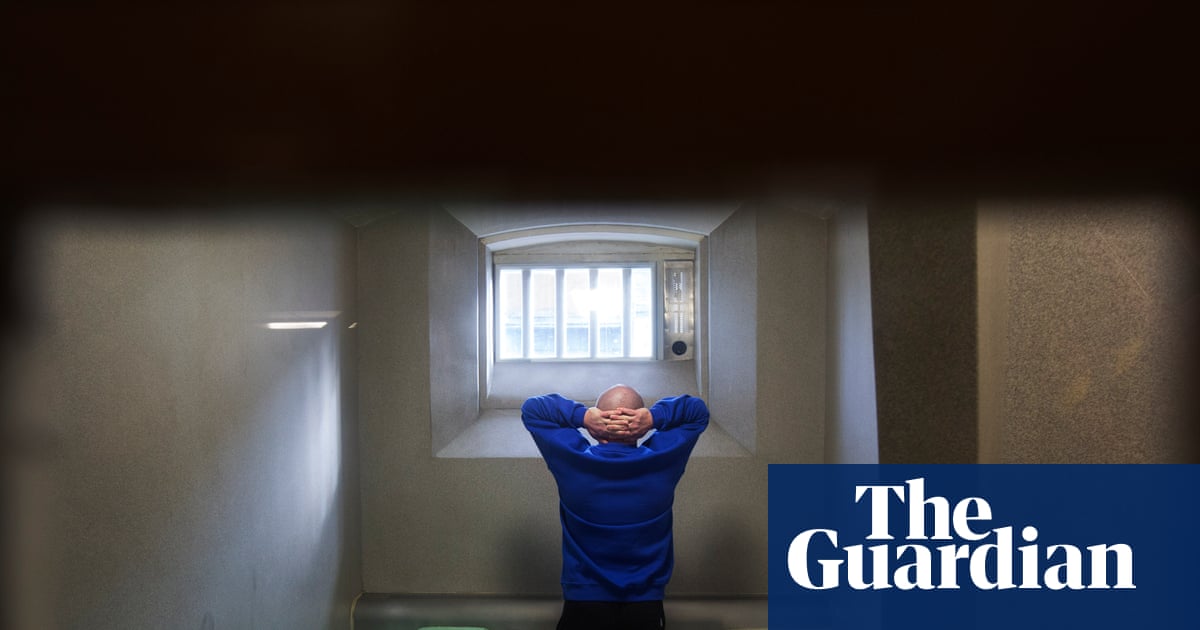
One of the two men currently back in detention spoke to the Guardian this week after being detained for a second time. He said he was caught by police inside a lorry earlier this month when it reached Dover.
“The smugglers know where the shelter is in Paris where people sleep in the first few days after being returned to France. They caught me near the shelter and sent me back to UK by force in a lorry. The smugglers have guns, they control everything, we have to try to stay alive.”
The second man who returned said he was also caught by smugglers close to the Paris shelter and forced back to the UK in a lorry. He was not caught on arrival in the UK but went to a police station to declare himself and was subsequently detained. “I don’t want to live illegally in any country,” he said. “I can’t survive without documentation. France is not safe for me.”
Steve Valdez-Symonds, programme director for refugee and migrant rights at Amnesty International UK, said the “one in, one out” agreement should be abandoned.
“Government efforts – including this agreement – to deter and stop people seeking asylum have instead entrenched the power of smuggling gangs over journeys that refugees need to make. If governments will not join in sharing responsibility for providing rather than attempting to deny asylum, that miserable situation will not change,” he said.
“The agreement should be abandoned and discussion opened with the French and other governments about establishing safe routes to enable refugees, especially those with family and other connection here, to reach this country with as little dependence on smugglers as can be made possible.”
A Home Office spokesperson said: “France is our closest migration partner and through our joint work, 40,000 small boat crossing attempts have been stopped since this Government came into office. French maritime forces have agreed to intercept small boats on the water and our landmark agreement means those who arrive on small boats are now being sent back.
“Individuals who try to return are detected by biometrics, detained instantly and returned at the earliest opportunity, having wasted their time and money.”