.png) 1 month ago
57
1 month ago
57
A U-turn by the UK’s broadcasting regulator Ofcom means it will investigate complaints of climate change denial on television and radio for the first time since 2017. The move marks a victory for campaigners who have accused the regulator of allowing some broadcasters “to spout dangerous climate lies” and “flout” rules on accuracy and impartiality.
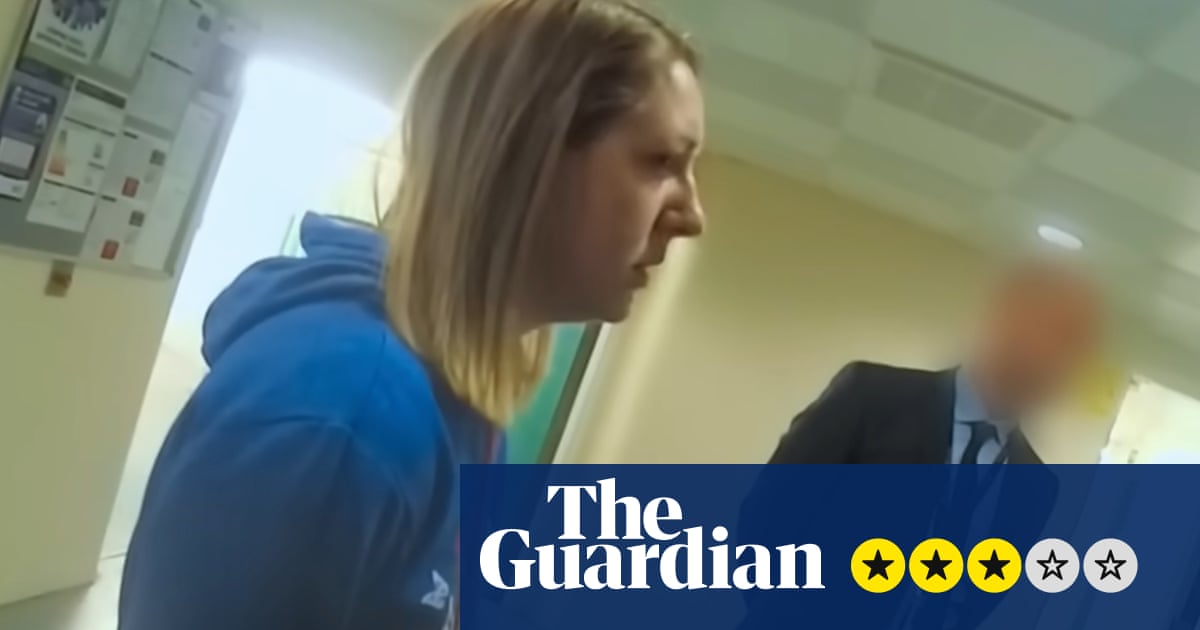
Complaints about programmes on TalkTV and Talk Radio were assessed by Ofcom, which then decided not to investigate, the same result as more than 1,000 other climate complaints since 2020. However, after a letter from the Good Law Project (GLP) in January, requesting an explanation for the rejections, Ofcom said it had withdrawn its original decision and would “consider afresh” the complaints.
One complaint was about comments from a TalkTV guest who said in November that climate change “was a deliberate effort to create fake anxiety … out of something that is false”. In the second case, also in November, another guest said the Labour government’s energy policies were “suicidal”, “driven by pseudoscience in many cases” and “a kind of cultish behaviour”.
A reassessment led Ofcom to conclude its approach to “due impartiality” in the broadcasts “required reconsideration”, with the results of the investigations to be published in due course. Ofcom stuck by its decision to not investigate three other climate complaints.
“Rightwing channels have been allowed to spout dangerous climate lies, unchecked, for too long,” said a GLP spokesperson. “We’re glad Ofcom is finally listening and await the conclusion of the investigations. Should it fail to take action against Talk’s misinformation, we will not hesitate to hold them to account.”
An Ofcom spokesperson said: “In re-examining the programmes, we concluded that they raise potentially substantive issues under the broadcasting code which warrant investigation. We have, therefore, opened investigations [on] whether they breached our rules on due impartiality and material misleadingness.” Ofcom said it had also opened another climate-related investigation after a viewer complaint about another TalkTV programme.
A spokesperson for TalkTV said: “We, as we always would, will cooperate with Ofcom in these matters.”
The Guardian reported in October that Ofcom had received 1,221 complaints related to the climate crisis since January 2020, when its searchable database began. None resulted in a ruling that the broadcasting code had been breached. Only two such breaches have been found in the last two decades: one in 2007 and one in 2017.
Recent instances not investigated by Ofcom include descriptions of global heating as “the climate scam” and suggesting the UK government was going to introduce “enforced veganism”. A GB News interview with Donald Trump in November, which included the US president calling climate change a “hoax”, prompted 32 complaints to Ofcom.
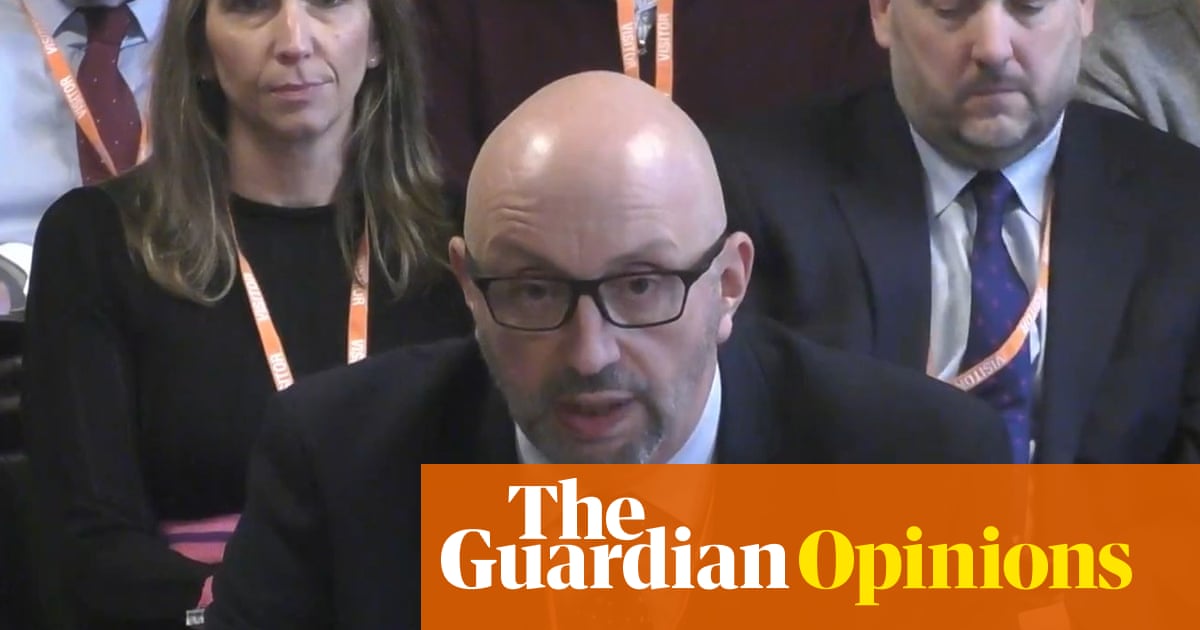
The regulator rejected them all in February, prompting Chris Banatvala, Ofcom’s founding director of standards, to tell the Guardian: “It now appears that Ofcom has abandoned any pretence that meaningful regulation of broadcast content is still being maintained.” Ofcom also came under pressure on the issue of climate change at a hearing of the energy security and net zero select committee of MPs in January.
The French regulator Arcom has found four broadcasting code breaches related to the climate crisis in the last two years. In one, the rightwing channel CNews was fined €20,000 (£17,000) for a segment in which a speaker said climate change was “a lie, a scam”.
“Ofcom’s multiple U-turns suggest that even the regulator lacks confidence in its ability to get it right,” said a spokesperson for Stop Funding Heat, the campaign group that made the initial climate complaints about TalkTV and TV Radio.
“Ofcom’s painfully slow approach highlights how ill-equipped it is to deal with the scale of climate misinformation now flooding our media,” he said. “Parliament must urgently step up its scrutiny and press for a robust shake-up to make this dysfunctional body fit for the 21st century.”
Ofcom’s broadcasting code states that factual programmes “must not materially mislead the audience” and that “news, in whatever form, must be reported with due accuracy and presented with due impartiality”. The code further requires that “alternative viewpoints must be adequately represented” when programme presenters express their own views on matters of political controversy or public policy.