.png) 3 hours ago
18
3 hours ago
18
In the early hours of last Friday morning, a video was posted. It showed Nigel Farage among his team of volunteers, before the votes had been counted, celebrating his victory and saying that he was not going to humiliate himself by sharing a platform at the count next to “nobodies”.
He was referring to the 33 other candidates who had taken part in what was effectively an unnecessary election, one Farage himself had instigated just a few weeks earlier to send one message: that the people of Clacton were backing him, despite parliamentary investigations into his receipt of an undeclared £5m donation. The election is over, but it’s worth thinking about Clacton and those candidates, of whom I was one.
I migrated to Britain from Iran 27 years ago, and have not been back there for 24 years because my Christian faith and my political activities put me at risk of persecution. Iran’s Islamic regime has massacred thousands of innocent people who want the democracy and freedom we have in Britain and it continues to execute protesters. Perhaps that’s why I felt so passionately about defending our democratic system in Britain from being abused.
Some in the British-Iranian community had high respect for Farage as it was not long ago that he met and embraced protesters outside the Iranian embassy in London after the Islamic regime’s massacres. Many of them were puzzled as to why I was standing against him and why I had left the Conservatives, for whom I had previously stood as a candidate in local elections, to do so. I remember Reform supporters in Surrey asking me: if Farage could not save the country, who could? My decision to stand was not a personal vendetta however. Having closely followed Reform’s campaigns on immigration, borders and security, I had seen the deep divides they created in communities.
Throughout the election, Farage did his best to keep his distance from the other candidates. He refused to engage with us, to attend hustings and ultimately to share a platform on the night of the count.
The campaign itself was revealing, as I met voters who had become disillusioned with Farage. Some were frustrated that he had never visited them or replied to their constituency emails. Others were concerned about his undeclared multimillion pound funds and connections with crypto billionaires. Some felt he had done almost nothing for Clacton, or that he had put Clacton “on the map for the wrong reasons”. Others were angry that he had triggered a byelection, wasting about £250,000 of taxpayers’ money.
Interestingly, some who had previously voted for Reform because they were concerned about immigration changed their minds when they learned more.
As an expert in immigration law, I was able to explain why the small boat crossings were happening. Leaving the EU meant that the UK was no longer part of the Dublin III regulation and could therefore no longer return asylum seekers to the first safe country in which they had arrived. When the UK left the EU, it created a legal void in relation to returning asylum seekers to EU countries.
They also learned how some of our laws do not make sense. An asylum seeker has to be physically present in the UK before making a claim, rather than being able to make a claim from overseas and have their identity and background checked before arrival.
Did they know that Farage had criticised the Rwanda scheme as a “con”? No. Did they know that he said it was “a political impossibility” to deport all illegal migrants? No.
Were they aware that he was planning to take the UK out of the Refugee Convention, which allows those being persecuted by regimes such as those in North Korea and Iran to seek protection in another country? No. Did they agree with protecting genuine asylum seekers? Yes.
Did they know that leaving the European convention on human rights without replacing it with a British bill of rights could affect British citizens and their rights relating to privacy and freedom of expression? No.
after newsletter promotion
Having only two weeks to knock on doors, and a few hours each day on my feet to talk to those who were willing to listen was hard, but 126 residents backed my campaign. I have since received messages of support from some of them, telling me that if I stand again, they would help. I am honoured.
One fact became clear. People want the Clacton MP to tackle crime in his constituency, to address its infrastructure weaknesses, and to create more opportunities for its young people and families. Farage isn’t doing any of these things, so how likely is it that he can renew Britain?
Given all these issues, it was unsurprising that so much of the electorate did not support him. He won, but Nigel Farage MP has some serious work to do in Clacton.
-
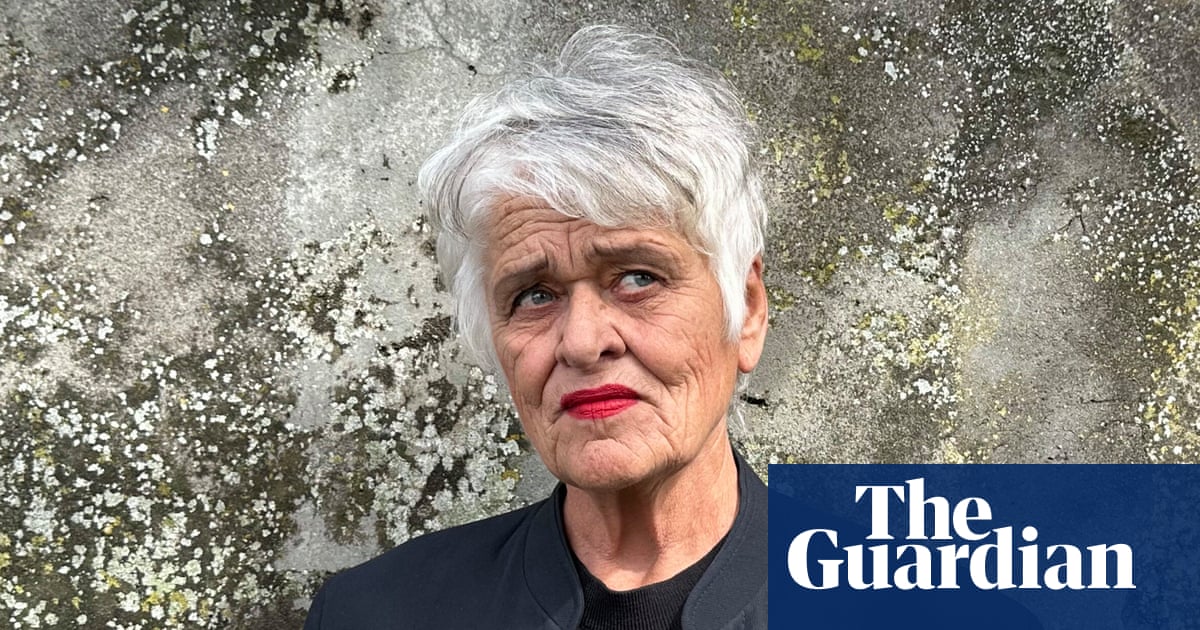
Attieh Fard is a lawyer who was an independent candidate in the Clacton parliamentary byelection