.png) 2 months ago
59
2 months ago
59
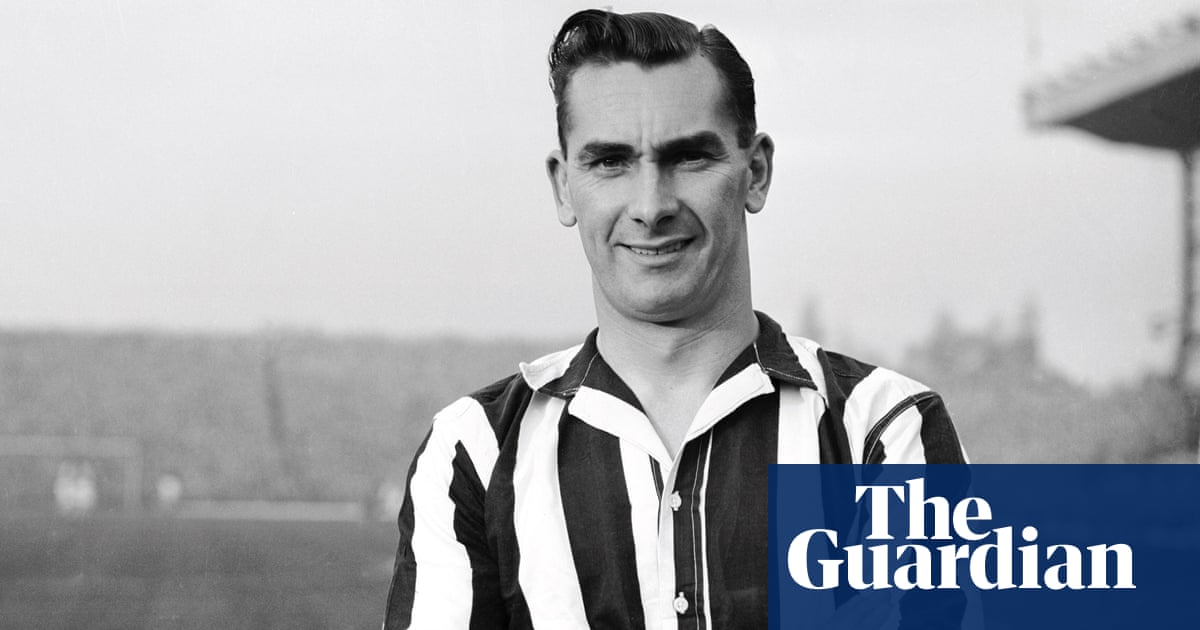
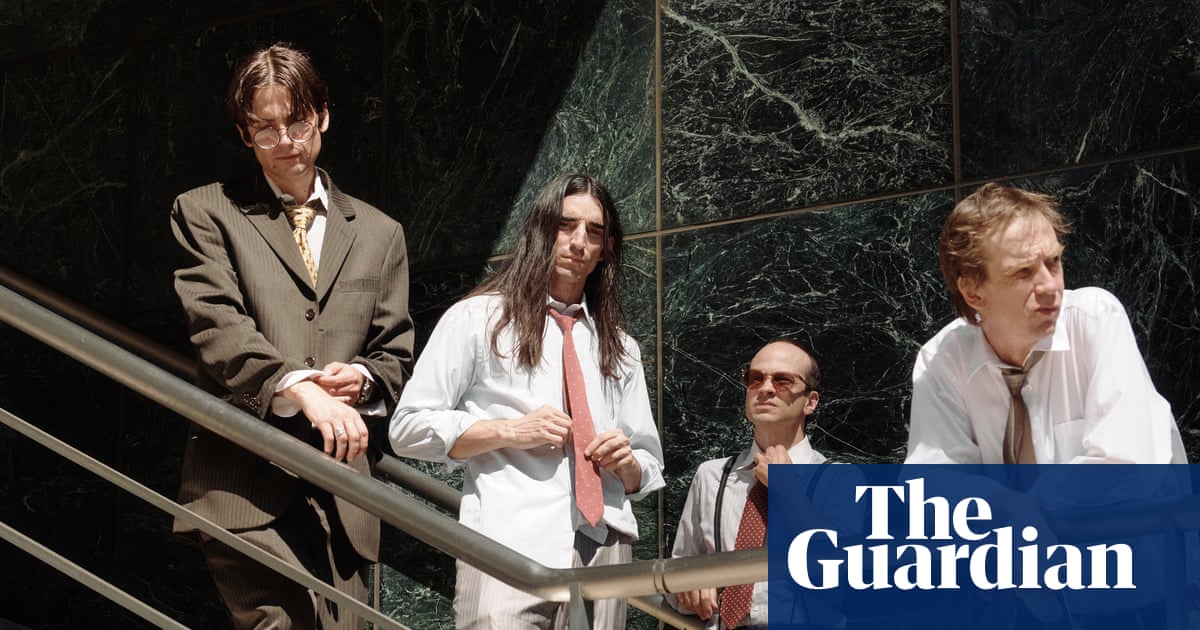
Michael Pennington was what Richard II – a part he played with great distinction – called a “well-graced actor”. He had a resonant voice, a handsome countenance, a security and ease on stage. But looking back over his career, on his death at the age of 82, I am struck by its astonishing variety.
He co-founded, with Michael Bogdanov, the English Shakespeare Company. He toured the world with one-man shows on Shakespeare and Chekhov. He directed here and abroad and wrote 10 books full of practical wisdom. On top of all that, he was witty and delightful company.
His acting career falls into distinctive phases. He spent much of the 1960s and 70s with the Royal Shakespeare Company, where many performances stand out. His Berowne in Love’s Labour’s Lost in 1978 was a man hooked on the sublime rhetoric of love. And for the same director, John Barton, in 1980, he was a brilliant Hamlet: sharp brained, sweet-souled and mellifluous of voice in the Gielgud tradition. He later moved to the National Theatre, where in Venice Preserv’d he and Ian McKellen recaptured a heroic style of acting, and where in Strider: The Story of a Horse he endowed the equine protagonist with a pedigree dignity through a light-stepping walk on the balls of his feet.
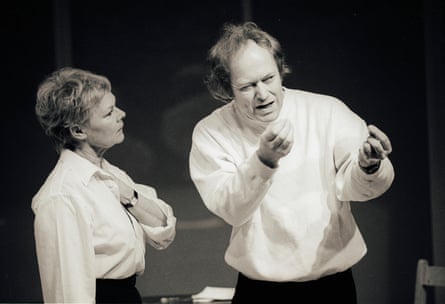
Like many intelligent actors Pennington yearned to be something more than a hired hand, which led him to work alongside Bogdanov in forming and running the English Shakespeare Company. He played a huge variety of parts, from Henry V and Coriolanus to Buckingham and Jack Cade. He also helped forge the style of a company that he once described as both progressive and nostalgic: progressive in that each production was grounded in current political argument, but nostalgic in that the company itself were touring rogues and vagabonds, once dubbed a “rock’n’roll” Shakespeare outfit.
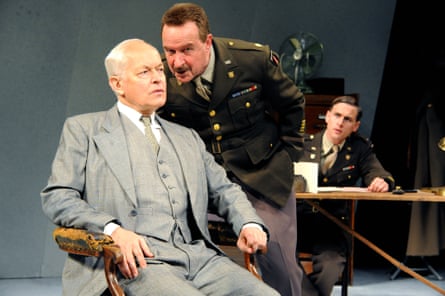
But there were multiple facets to Pennington’s kaleidoscopic career. Although associated with the classics, he was highly accomplished in modern drama. He instinctively understood the work of Harold Pinter. As a Cambridge undergraduate he wrote a piece for Granta exploring the parallels between Pinter and Chekhov, and went on in the Gate Theatre Dublin’s 1994 Pinter festival to give memorable performances as the steely interrogator in One for the Road and the disintegrating Deeley in Old Times. In Ronald Harwood’s twin plays about political compromise, Taking Sides and Collaboration, he endowed the conductor Wilhelm Furtwängler with a wounded hauteur and the composer Richard Strauss with a fierce obsessiveness.
While very much a company man, Pennington also performed two striking solo shows. As an ardent Russophile, his portrait of Anton Chekhov perfectly caught all the great writer’s contradictoriness, retaining a passionate reverence for life even as he edged slowly towards death. Pennington’s Sweet William was similarly the product of a lifetime’s love of Shakespeare. Combining textual scholarship with performance skills, it offered in two hours a rounded portrait of Shakespeare and his art and his ability to lurch from high poetry to intimate detail.
But there was nothing slavish about Pennington’s passion for Shakespeare. I remember once doing a platform talk at the National Theatre in which I repeated my familiar doubts about King Lear: about its structural problems and its human improbabilities, such as Edgar’s refusal to reveal his true identity to the blinded Gloucester. As I was doing a book signing after the talk, Pennington edged up to me and said “Michael, can I have a quick word with you about Lear?” I hesitantly agreed, expecting a scholarly rebuke. “I’ve been in the play three times and even played Lear himself and I totally agree with you.” How could I not love him after that?