.png) 3 months ago
84
3 months ago
84
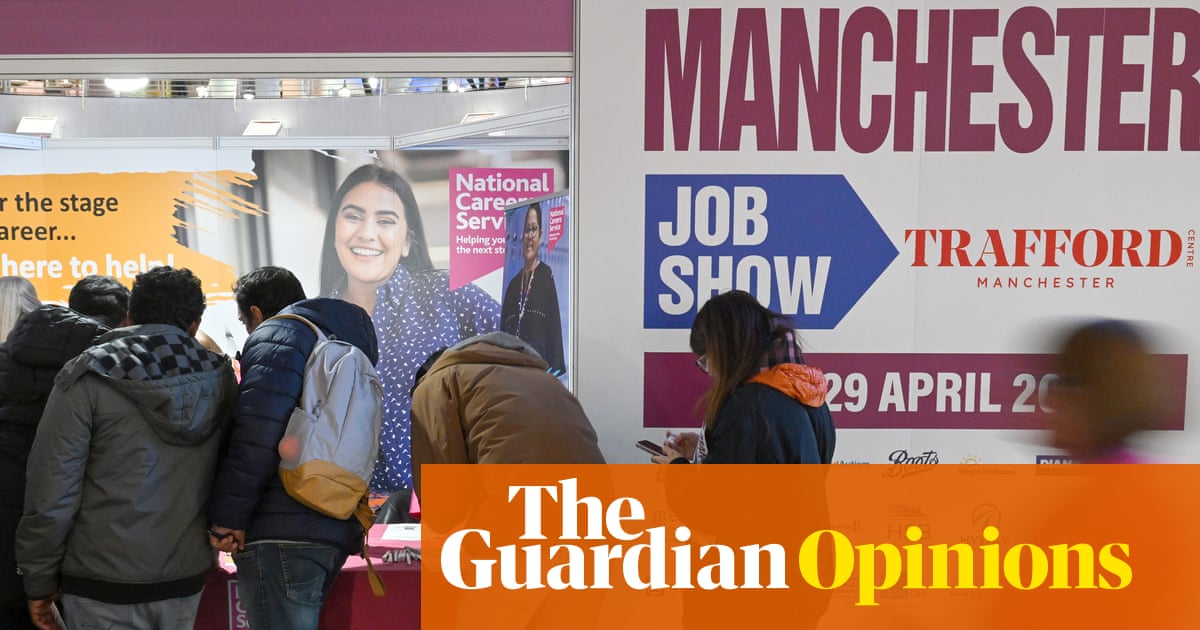
A leading UK university is promising work placements to all undergraduates – regardless of their degree – to better equip them for the challenges of the current job market.
In what appears to be a first for a large Russell Group institution, the University of Manchester is planning to offer “meaningful real-world experience” to all students, from classics to chemical engineering.
Manchester’s vice-chancellor, Duncan Ivison, said no student should graduate having done three years of just academic study.
Instead, “every single student [should] have a chance to put their learning into context – an internship, a placement, a joint project or an exchange”, he told the Times. “It doesn’t matter if you’re a history student or a chemical engineer.”
The plan comes as graduates increasingly struggle to find work after leaving university, some with debts of more than £50,000. Those who do get work are often in low-paid roles in hospitality or retail, rather than traditional graduate jobs.
Nick Hillman, the director of the Higher Education Policy Institute, welcomed the initiative, but raised feasibility concerns, with 32,000 undergraduates enrolled at Manchester.
“This is a brilliant initiative in the sense that it seeks to tackle the widespread fear that older universities provide an overly academic education,” he said. “It also recognises the fact that the main reason people attend higher education is to find a fulfilling career afterwards. Work experience delivers skills; it also teaches you what you don’t like as well as what you do.”
However, he added: “It is very difficult to do this sort of thing at scale because of the number of students and employers involved – Manchester is a huge university.”
Hillman also highlighted that most students already do paid, often unskilled, work alongside their studies because of rising living costs. “There are only so many hours in the day to fit in work experience alongside.”
He said some universities, such as former colleges of advanced technology, including Aston and Loughborough, had always embedded employment into their courses. Others started as teacher training colleges, so workplace experience is in their DNA. “However, I have not come across a Russell Group university doing anything on this scale before.”
Vivienne Stern, chief executive of Universities UK, also welcomed the initiative. “The jobs market is changing rapidly and we need to make sure that our graduates are as well prepared for it as possible. Universities have an important role to play in making sure that students are set up for the world of work and are taking innovative and new approaches to this,” she said.
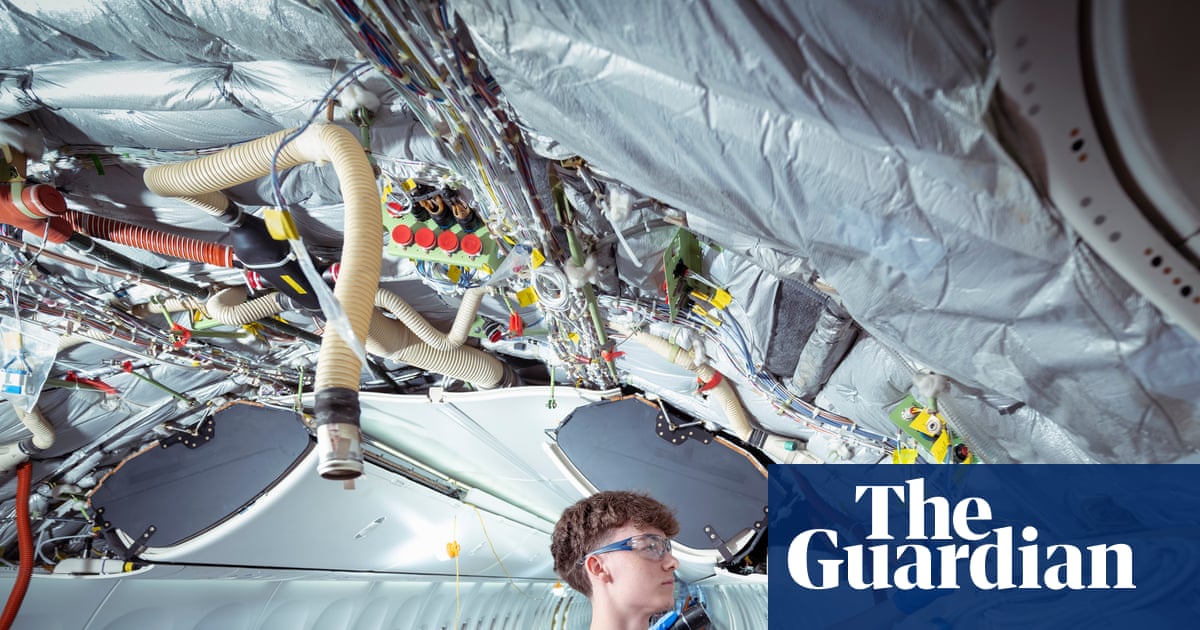
Undergraduates training for professions such as teaching or medicine are already required to do work placements. According to the Higher Education Statistics Agency, in 2024-25 almost a quarter of undergraduate courses gave students the option of a placement of at least a year.
Libby Hackett, the chief executive of the Russell Group, said: “In a challenging labour market, it’s more important than ever that graduates are equipped to navigate the changing workplace.
“This is a significant step from Manchester and will give students invaluable experience of putting knowledge into practice and developing the wide range of skills and the resilience employers are looking for.”
Manchester University said: “We want every student to have the opportunity to apply what they are learning before they graduate. That could mean a placement, short internship, live employer project, or work with a public or community organisation.
“The aim is to make those opportunities a normal part of university life, not something students have to find separately or access through personal contacts.
“This approach is designed to work across all disciplines, not just traditionally vocational subjects, and reflects Manchester’s strong links to employers and organisations across the city region.”