.png) 3 months ago
79
3 months ago
79
Lebanon must be included in the ceasefire agreement between the US and Iran, the British foreign secretary is to say, as a two-week pause in the conflict hangs in the balance.
Addressing an event at the Mansion House in London, Yvette Cooper is expected to say there “must be no return to conflict” after the ceasefire announced by the US president, Donald Trump, late on Tuesday.
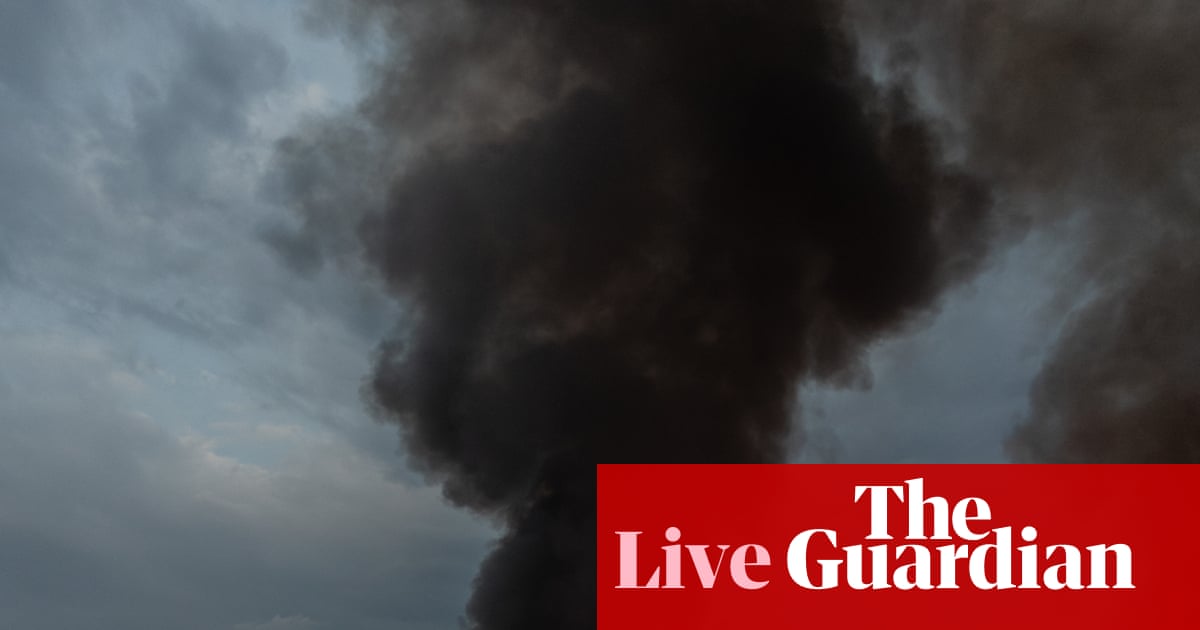
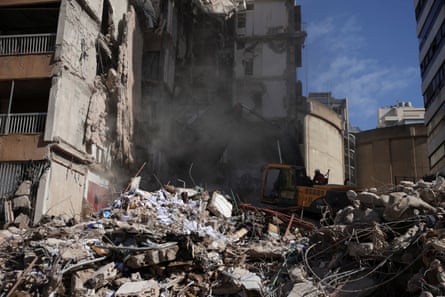
Despite the announcement, Israel intensified its bombing campaign in Lebanon, with at least 254 people killed, prompting Iran to once again halt the passage of oil tankers through the crucial strait of Hormuz.
Before her speech, Cooper told BBC Radio 4’s Today programme that the continued Israeli strikes on Lebanon were “completely wrong”. “We want to see an end to hostilities in Lebanon. What Israel was doing yesterday with this escalation of strikes was completely wrong … this escalation is damaging, it’s wrong, it’s going the wrong direction. We want the ceasefire extended to cover Lebanon.”
Cooper said the UK’s position on Lebanon has been raised with the US and directly with Israel.
Any hope that Israel would immediately stop hitting targets in Lebanon appeared to be dashed on Wednesday when the US vice-president, JD Vance, said the country was not part of the ceasefire deal with Iran.
Speaking in the Hungarian capital, Budapest, Vance said: “I think this comes from a legitimate misunderstanding. I think the Iranians thought that the ceasefire included Lebanon, and it just didn’t. We never made that promise, we never indicated that was going to be the case.”
But in her speech at the Lady Mayor’s Easter Banquet on Thursday, Cooper will say Lebanon must be included in the ceasefire.
She will say: “There is considerable work to do, and we support the negotiations: they must make progress; there must be no return to conflict; Lebanon must be included in the ceasefire; there must be no further threat from Iran to its neighbours; and crucially, the strait of Hormuz must be fully reopened.
“More than 3,000 miles away from here – yet the deliberate blocking of this critical artery of the global economy is affecting mortgage rates, petrol and food prices, here at home. Every country on every continent has felt the effects.
“That is why we have been working for a swift resolution of this conflict and to support the reopening of the strait of Hormuz.”
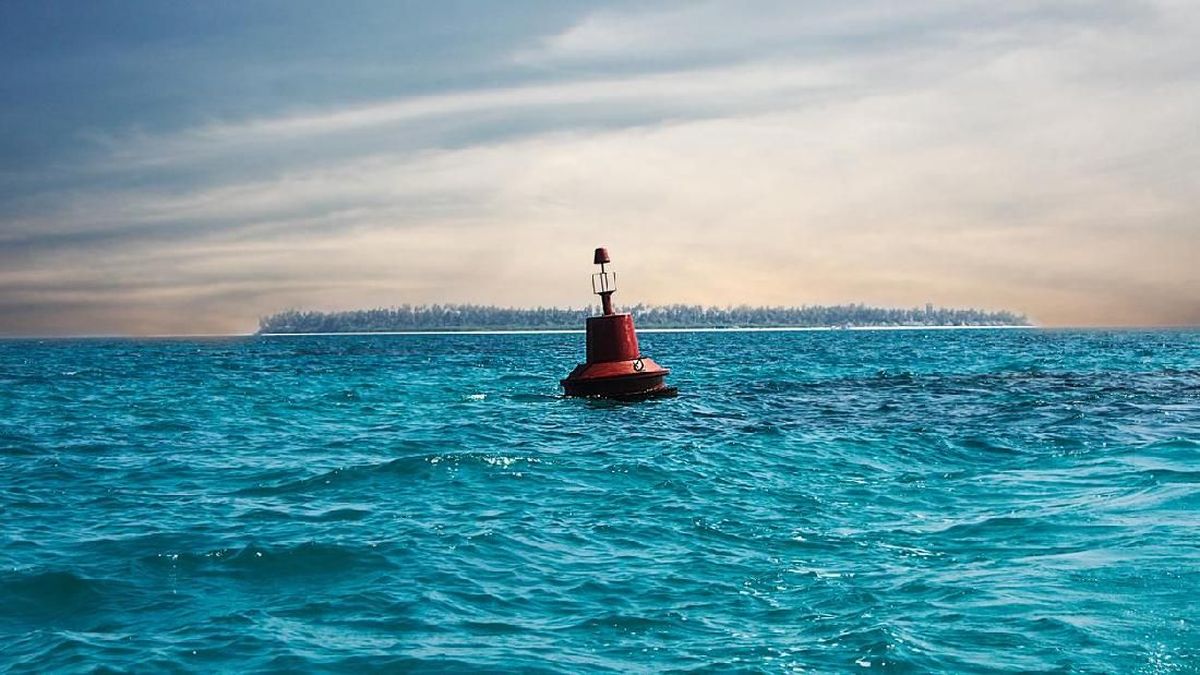
Iran closed the crucial waterway as a thoroughfare in response to the US and Israel’s attacks that started in late February. Since then, global prices of fuel and fertiliser have risen sharply, which has put pressure on household budgets.
In her address to City leaders, Cooper will stress the importance of ensuring the critical shipping route remains open. She will say: “Fertiliser for Africa, liquid natural gas for Asia, jet fuel for the world; the trading route for Qatar, UAE, Bahrain, Kuwait, Iraq, Saudi Arabia and Oman, all hijacked by Iran so they can hold the global economy hostage.
“No country can close these routes – it goes against the fundamental principles of the law of the sea.”
She will add: “We know more than ever that freedom of navigation is the underpinning of global trade. It matters for every sea, ocean and strait. Every country has a stake in this. Every industry is affected by it.
“We should start immediately to get international shipping moving again by supporting the International Maritime Organization’s proposals to move the ships trapped in the strait, and the 20,000 stranded seafarers – a humanitarian as well as an economic first step. And then the full and unconditional re-opening of the strait must be a central part not just of the current ceasefire but of the long-term future for the region.”
Meanwhile, Keir Starmer has arrived in the United Arab Emirates on the second leg of his trip to Gulf countries. The UK prime minister is visiting allies in the region for talks on upholding the pause in fighting and what steps are needed to bring confidence to get shipping going again through the strait of Hormuz.
He spoke to the Saudi crown prince, Mohammed Bin Salman, in Jeddah and is expected to meet the UAE president, Sheikh Mohamed bin Zayed Al Nahyan.