.png) 1 month ago
59
1 month ago
59
Stroll through almost any town in Slovenia – or simply drive along its regional roads – and you can’t miss them. Posters cling to lamp-posts, bus stops and construction fences, proclaiming the triumphs of one political party or another. It is the unmistakable visual language of campaign season: Slovenia is heading to the polls.
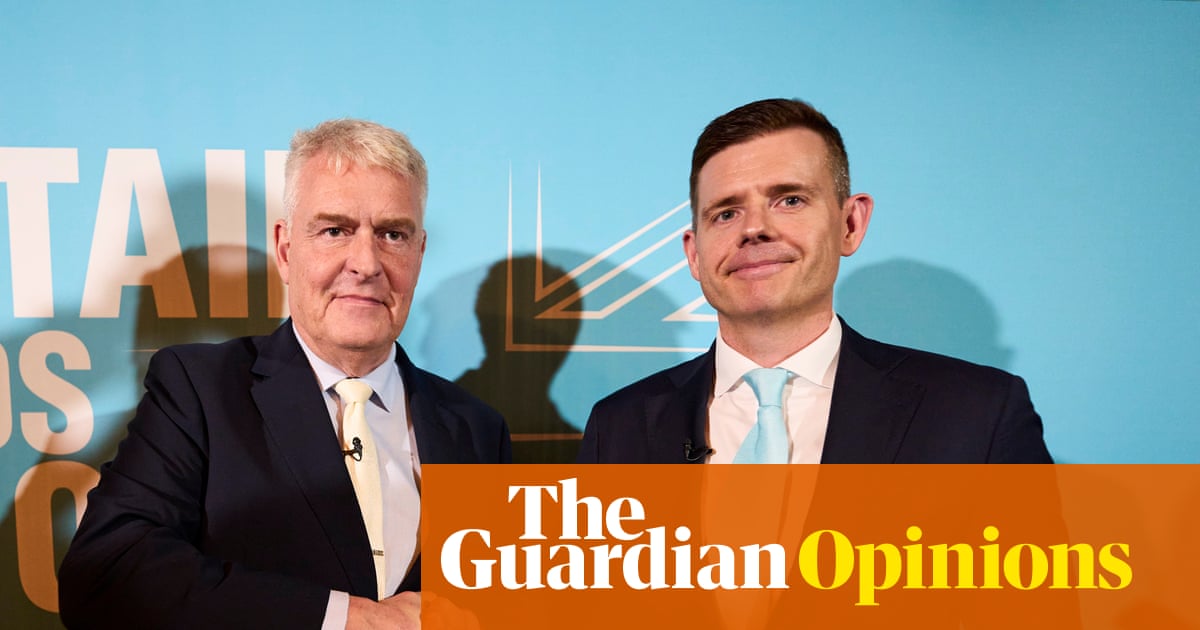
On 22 March, the country will hold parliamentary elections. That the outgoing coalition, led by the centre-left prime minister, Robert Golob, will have served a full term is, by Slovenian standards, almost miraculous. It was formed ahead of the 2022 election by Golob’s Freedom Movement (Gibanje Svoboda, GS), a party established only months earlier by the former executive at the state-controlled energy company. In its first electoral outing, the party won 41 of the 90 seats in the national assembly – the strongest single-party result since independence.
Golob’s landslide allowed him to team up with the Social Democrats (SD) and the left party (Levica), securing 53 seats – rare stability indeed in Slovenia’s fragmented system.
Golob’s government has been imperfect. The Freedom Movement’s meteoric rise meant it took power with limited experience of government; improvisation has at times been too visible. Yet it can claim tangible achievements. After the devastating floods of 2023, it secured advance financial assistance for municipalities and citizens even before the final damage assessment was completed. It mitigated the energy crisis with measures shielding households and businesses from soaring prices.
Golob’s government also increased the minimum wage, strengthened labour protection for cultural workers and introduced a much-delayed long-term care system. Much of this progressive policy innovation has come from the most junior coalition partner, Levica,which controls only three of 20 ministries. Many of its measures target socially vulnerable groups that do not necessarily constitute its electoral base.
I have cringed more than once over the past four years. But I no longer expect parliamentary democracy to deliver radical transformation. What I expect is steadier change: incremental improvements, respect for fundamental rights and the protection of basic liberties. And at the very least, I expect it to remain democratic.
By those measures, the current government has been flawed, but not illiberal. Institutions have functioned. The media landscape, though polarised, has remained pluralistic. Civil society has operated without systematic intimidation.
Despite all this, public support for Golob’s Freedom Movement has eroded. The hard-right Slovenian Democratic party (Slovenska demokratska stranka, SDS) is consistently out in front in the opinion polls, leading the Freedom Movement by a few points. Its electorate has proved strikingly loyal. While centre-left voters oscillate between enthusiasm and disappointment, SDS voters remain constant.
What is striking about the SDS compared with some of its peers on the European far right is that it is not an insurgent outsider party. It is the central pillar of the Slovenian right, and has experience in government: its longtime leader, Janez Janša, has served as prime minister three times since the millennium.
During its first term in the mid-2000s, the SDS governed as a conventional conservative party, but its later mandates were more polarising. Janša’s 2012–13 government collapsed amid mass protests over corruption allegations. Janša himself was sentenced to a two-year prison term although the conviction was later overturned. His most recent spell in government, from 2020 to 2022, coincided with the Covid pandemic – and marked a sharper illiberal turn. His administration suspended funding to the Slovenian Press Agency for months, repeatedly attacked the public broadcaster RTV Slovenija, sought to reshape supervisory boards of state institutions, and engaged in open confrontation with journalists on social media.
Luckily, the courts pushed back. Civil society mobilised. Tens of thousands, many on bicycles, protested in Ljubljana. But Janša’s attempts to hollow out parts of the institutional landscape and the rule of law were real enough to trigger warnings from the European parliament.
The SDS has not had to reinvent itself in opposition. Over the past four years, it has been able to rely on familiar ideological refrains: denunciation of the “biased” press, warnings about migrant influxes, claims that Slovenia is overregulated and culture war accusations about education. Repetition has served it well.
What has also transformed is the broader European political environment in which this rhetoric operates. When Janša was last prime minister, his attacks on public broadcasters and attempts to reshape state institutions met with significant domestic and international resistance. Today, the global landscape looks different. The Trump presidency has normalised open hostility towards the media and judiciary, and offered a practical template for politicians seeking polarisation, institutional pressure and relentless delegitimisation of opponents. Variants of that model have since spread and been refined across Europe and beyond.
Janša, who is an admirer of Trump’s political style, plays well into that. He has recently declared that he would prefer to govern with an outright majority, arguing that coalition-building wastes time better spent implementing policy. In isolation, the remark might sound like impatience with parliamentary arithmetic. In the current global climate, it signals something more: a desire to act without the friction of compromise.
In conversations over the past year, I have heard variations of the same argument from potential SDS voters: “At least he gets things done”, and “We need order.” There is impatience with coalition bargaining and a perception – not always grounded in evidence – that liberal governments are weak and procedural. The desire for decisiveness can shade quickly into tolerance for concentration of power.
A new SDS-led government would probably move decisively on such things as migration, where it advocates tougher border controls and a securitised approach that casts mobility primarily as a threat. It promises deregulation and a more “business-friendly” climate. The language of “reform” and “depoliticisation” could translate into tighter executive influence over the media and judiciary. None of this would necessarily violate democratic procedure outright. Illiberalism rarely does so at first. It advances incrementally, within the law, reshaping institutions from the inside.
Slovenia’s institutions remain embedded in the legal order of the European Union. Its civil society is active and resilient. The country is not fated to democratic backsliding. But the difference between now and Janša’s previous administrations is that the methods, narratives and international alliances of illiberal politics are more consolidated than ever. There is precedent, validation and mutual reinforcement.
This is why this election feels less like routine democratic maintenance and more like a structural choice. Not simply between centre left and right, but between a flawed pluralism and a model of governance under which democratic norms can very quickly erode.
-
Ana Schnabl is a Slovenian novelist, editor and critic