.png) 5 hours ago
5
5 hours ago
5
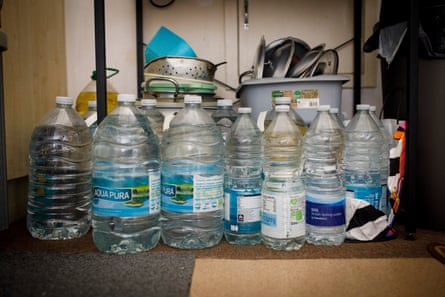
Hundreds of residents in blocks of flats in east London have been left without regular running water for more than seven months after development in the area may have left it without an adequate supply.
Taps have been running dry in nine blocks in Tower Hamlets, where residents have been forced to use bottled water while their landlord, the housing association Poplar Harca, delayed works to solve the problem.
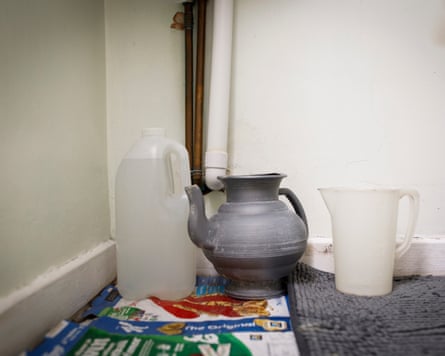
In the meantime, hundreds of families have been unable to properly cook, clean, wash or even flush their toilets. Residents, who are bracing for a fifth heatwave this week, say they are still in the dark about why their water suddenly stopped – although some suspect it is because of new housing developments built nearby.
“I’m appalled at the situation my constituents find themselves in,” said Uma Kumaran, the area’s Labour MP. “Access to water is a basic right, yet residents of Devons Road estate have been denied that right for far too long. It’s a gross failure of one of the most fundamental duties a landlord owes to their tenants – especially during record-breaking heatwaves.
“I have repeatedly pushed Poplar Harca to take urgent action, full accountability, and set out a clear and swift timetable for repairs, for all buildings. Residents deserve nothing less than an urgent and permanent fix.”
Poplar Harca acknowledges “pressure levels can fluctuate” but denies the water supply has ever stopped completely.
Residents who spoke to the Guardian said they first began experiencing water shortages last summer. By December, the problems had become widespread, with at least nine blocks affected.
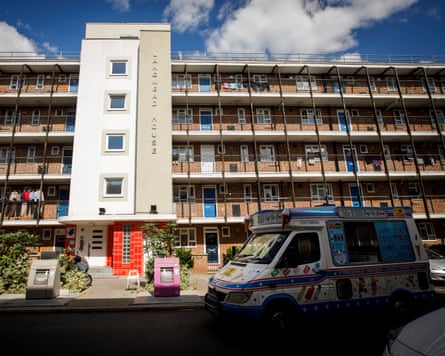
In correspondence with residents, seen by the Guardian, Poplar Harca initially claimed the problem lay with the water supplier. The housing association claimed Thames Water was supplying “lower flow pressures than in previous years”.
But at the same time, Poplar Harca was also telling other residents that their flats needed “extensive works” to create a new pump room in their block to increase water pressure. The landlord said these works could not begin until a formal process – called section 20 – was carried out to determine what share of the cost should be borne by leaseholders.
In common with social housing blocks around the UK, some flats have been purchased by their residents under the right to buy. Those homeowners must share the costs of the blocks’ upkeep. When major works are planned the freeholder must carry out a consultation to determine how much leaseholders should contribute.
Poplar Harca suggested there was no need for emergency action from a judge but a property solicitor the Guardian spoke to said that may not be the case.
Clair Phillips, a senior associate at the law firm Moore Barlow, said: “In circumstances where works are urgent, such as a prolonged loss of water supply, one would ordinarily expect the landlord to undertake the necessary works without delay and then apply to the first-tier tribunal for [urgent] dispensation from the section 20 consultation requirements.”
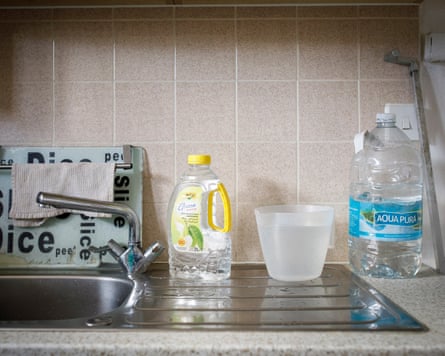
In the meantime, Poplar Harca told residents – including families and those classed as vulnerable – to access public shower facilities at Poplar Baths and by expensing day passes at Mile End leisure centre. Residents, many of whom are parents with young children, or are elderly or disabled, said this was not an acceptable solution.
As a landlord, Poplar Harca was obliged to provide water to its tenants whose taps had run dry. Residents said they often ended up waiting on the housing association’s phone line for more than an hour at a time, often not getting through at all on weekends or during July’s unprecedented heatwaves.
When they did get through, deliveries were limited to 15 litres per household, regardless of how many people lived there. Some residents said they only received their first delivery last week – more than eight months after the shortages began.
Residents suspect their water has been diverted to new developments in their neighbourhood. Water shortages began for many last autumn, around the time of the completion of Stroudley Walk, a Poplar Harca commercial housing development.
Water engineers were divided on the cause. Paul Kent of Kent Group Services said: “As a boom in construction has emerged over the past few decades, [Thames Water’s] infrastructure is still decades and centuries old, with lots of leaks on the systems due to the number of new housing developments in east London. Thames Water has had to lower water pressure to be able to supply everyone.”
Dale Joseph, a gas and plumbing engineer with Under Pressure Plumbing London, visited some of the affected blocks with the Guardian. He said that given Thames Water said it was meeting its responsibility to provide adequate pressure to the properties, it was up to the landlord to ensure each flat had enough to keep the taps flowing.
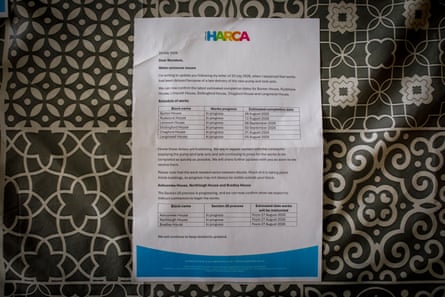
Towards the end of last month, Poplar Harca told some residents they could expect the issue to be fixed in six affected blocks between 5 August and 8 September. Work at three blocks is not due to begin until 27 August. That means some residents will have been left without adequate water for up to a year.
A Thames Water spokesperson said that after investigating a number of complaints, the company believed the low pressure was “due to extensive new development in the area, as well as some problems related to customers’ internal plumbing.
“We are looking into remodelling the wider area, which could raise the water pressure to take account for increased localised development. This requires extensive testing and any plans are at a very early stage.”
Sadaf Moosvi, an organiser with the community organisation Acorn, who helped some residents to come together to make a complaint, said: “There are genuinely no words to describe the scale of this scandal. I’ve been organising communities for several years and have seen a great deal, but never anything like this.”
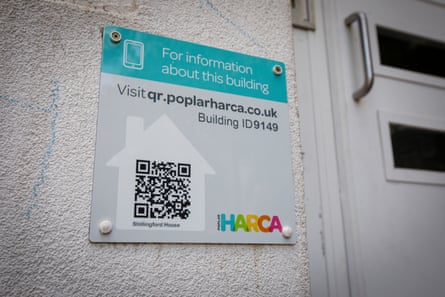
A Poplar Harca spokesperson said: “Residents continue to receive water, although pressure levels can fluctuate and, at times, may be insufficient for some households’ needs. As soon as we became aware of the issue in December, we worked with Thames Water to investigate the cause who confirmed that pressure to the affected buildings remains above the minimum level required under Ofwat’s guaranteed standards scheme.
“The permanent solution requires the installation of new pump systems within the affected buildings. While we were keen to move forward as quickly as possible, because the water supply has remained available, albeit with temporary interruptions, we did not need to pursue an emergency route to fit the pumps. As a result, we’ve followed the statutory section 20 consultation process with leaseholders before major works can proceed.”
The spokesperson added: “We appreciate that residents would have liked a faster resolution. Our focus has been on maintaining support for affected residents – including supplying bottled water on request as quickly as possible, providing alternative washing facilities and offering additional assistance to residents with support needs – while progressing the permanent solution as quickly as the statutory process and technical works allow. We have kept residents updated throughout by text message, online, drop-in sessions, door-knocking and regular written updates.”