.png) 3 months ago
70
3 months ago
70
HSBC bosses have said the Iran war is already hitting global economic confidence, as a string of business leaders warned over the impact of the conflict.
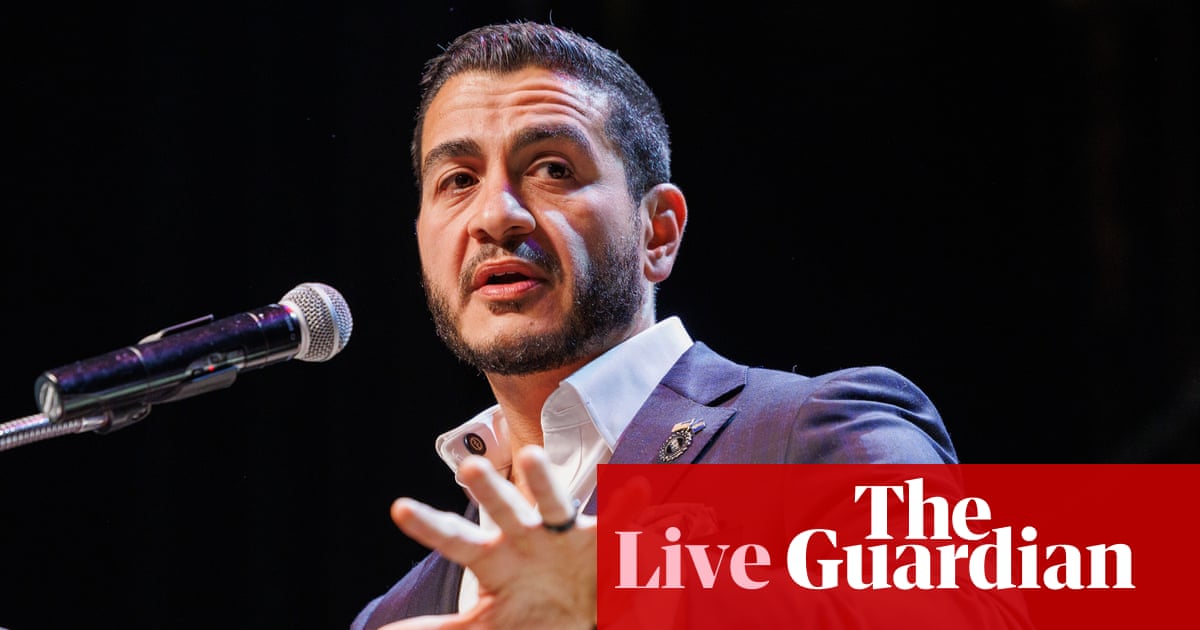
Georges Elhedery, the Lebanon-born chief executive of the bank, told Bloomberg Television at a HSBC conference in Hong Kong: “We’re saddened and concerned with what’s happening in the Middle East, and we’re concerned not just with what’s happening but also with how long this will take.
“Unfortunately, some of these uncertainties have initially started to weigh on general confidence. We worry that the continuation of this conflict will have that impact globally way beyond the Middle East,” he said, pointing to the price of goods, oil and refined products, but also fertilisers and metals.
After rising above $100 (£74) a barrel on Monday, Brent crude dipped 0.9% to $98.5 a barrel on Tuesday morning, despite a US blockade on Iran’s ports coming into effect on Monday. Negotiating teams from the US and Iran could return to Pakistan’s capital, Islamabad, for more talks this week after 21 hours of discussions at the weekend ended without an agreement.
In London, the FTSE 100 rose 22 points, or 0.21%, to 10,605. Imperial Brands, which makes Davidoff and West cigarettes as well as vapes, was leading the FTSE 100 losers after flagging a “more uncertain geopolitical and macro environment”.
The UK recruitment company PageGroup said the Middle East conflict was “driving an increasingly uncertain outlook for the rest of the year”, with the UK and Europe, the Middle East and Asia “tough markets” and salaries below those in 2022 and 2023.
HSBC has a 31% stake in Saudi Awwal Bank. The London-headquartered lender is among the European banks most exposed to the Middle East, a region that accounts for roughly 4% of its pre-tax profit, according to analysts at JP Morgan Chase.
However, Elhedery said the bank had seen only “very benign movement” of capital out of the Middle East so far.
Since the US and Israel began attacking Iran on 28 February, some wealthy investors based in the Middle East have been exploring whether to relocate to places such as Singapore and Hong Kong.
The HSBC chair, Brendan Nelson, stressed that a Middle East peace deal was essential to ensure a substantial resumption of global energy flows, with oil-driven inflation posing a big risk to the world economy.
Nelson, also speaking at the HSBC Global Investment Summit in Hong Kong, said: “The longer the disruption continues, the more the indirect effects from higher energy costs will lift inflation and depress growth.”
Garment makers that use polyester and other synthetic fabrics, which are derived from petroleum products, have been hit. Tom Beahon, a co-founder and co-chief executive of the sportswear company Castore, which makes Premier League football kits and England cricket kits, said costs had gone up between 10% and 15%, and if the Iran war went on for another couple of months then some of this would be passed on to consumers.
Beahon told BBC Radio 4’s Today programme: “The biggest challenge has been around the volatility. So it’s very difficult to plan when prices might be going up as high as 40% one day but then dropping down significantly again the next day.”
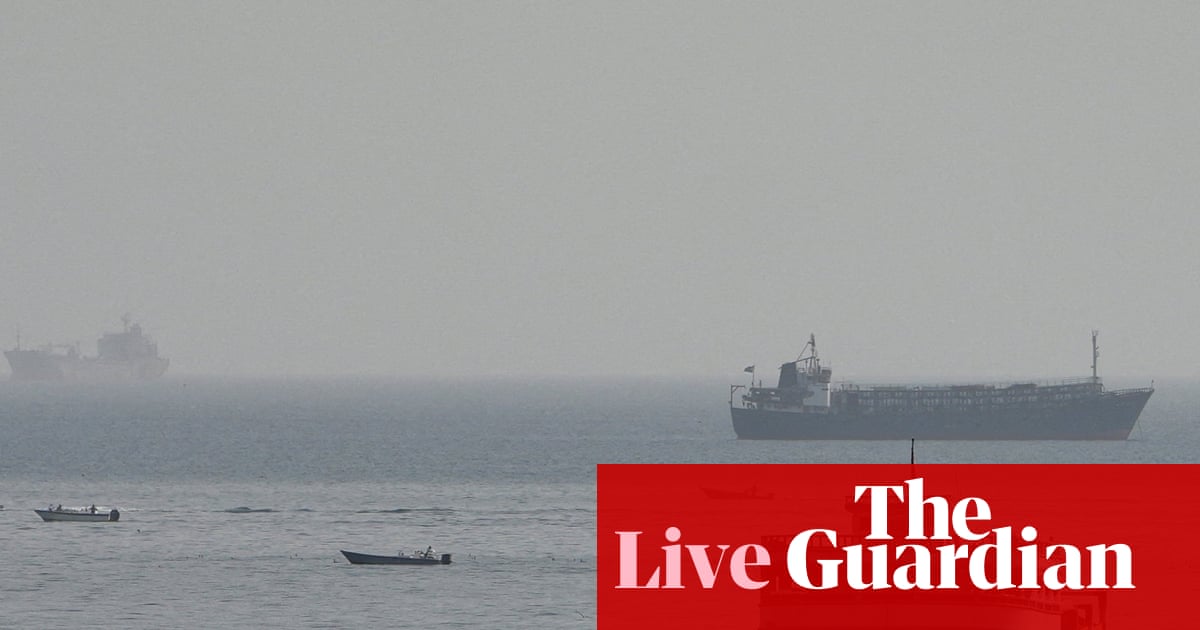
He said the other challenge was to ship products, as airlines had reduced flights and ships were still stranded in the strait of Hormuz. “But there is a hope that if things start to get sorted out in the next few weeks, they won’t have a significant impact on customers,” he said.
The chief executive of Virgin Atlantic, Corneel Koster, told the Financial Times that jet fuel prices were more than double prewar levels. He said: “No matter what happens in the Gulf going forward … some of this disruption to global energy prices will be here to stay.”
As Rachel Reeves headed to the International Monetary Fund and World Bank’s spring meetings in Washington, she called for coordinated economic action. “The Iran conflict must be a line in the sand on how we deal with global crisis and instability,” the chancellor said.