.png) 1 month ago
41
1 month ago
41
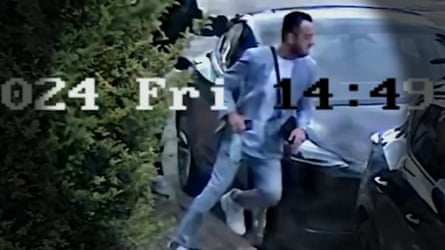
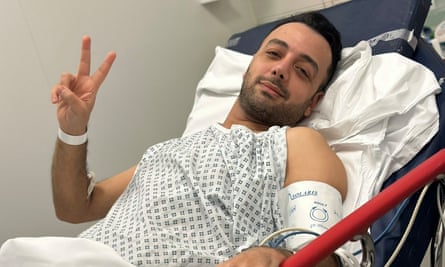
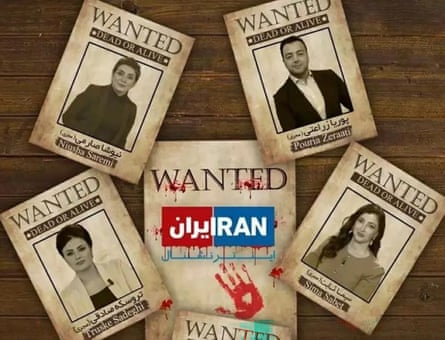
As Pouria Zeraati was crossing the street between his Wimbledon home and his car in south London in March 2024, he was confronted by two men. One held him firmly as the other stabbed him three times in the leg before they both fled.
It was later said to be a targeted attack on behalf of the Iranian regime in Tehran. A punishment for Zeraati’s work as a journalist covering Iran. He survived, but the ambush is one of dozens of violent incidents in recent years linked to foreign states.
Russia, China, India, Saudi Arabia and Iran have all been blamed for targeting critics and dissidents living in the UK in the past decade, and linked to incidents involving physical assaults, attempted kidnap, stabbings and an acid attack.
State-threat investigations run by MI5 jumped by 48% in a year, and there have been more than 20 threat-to-life cases relating to Iran since 2022.
This week, arson attacks on properties connected to Keir Starmer in May 2025 were linked to Russia. Two men were also jailed on Thursday for surveilling Hong Kong pro-democracy campaigners living in the UK on behalf of China through a “shadow policing” operation.
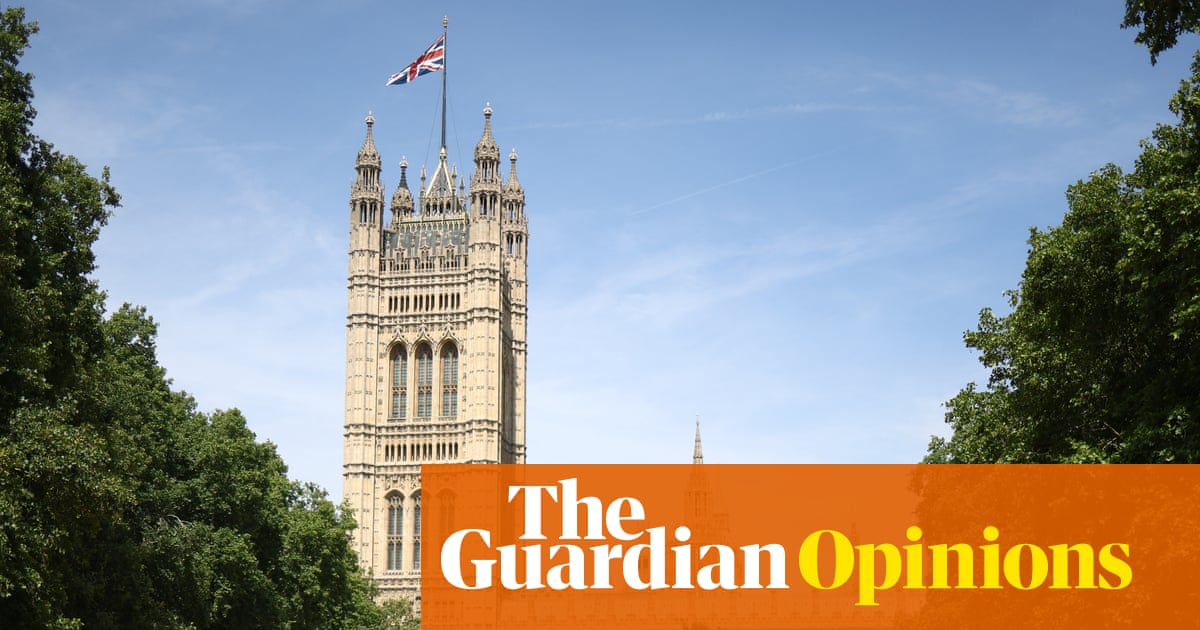
Suddenly, say parliamentarians and lawyers, the UK has become a “hunting ground for authoritarian regimes”.
From a topic consigned to spy novels, such state-targeting is becoming commonplace, leaving large numbers of individuals who had sought sanctuary in the UK in fear of their lives.
The former UK security minister Dan Jarvis has said the UK maintains a “hard operating environment” for those states trying to target individuals.
But in recent weeks the Guardian has spoken to various diaspora communities in the UK – Hong Kong, Iran, Pakistan, Saudi Arabia, India and others – who have alleged receiving threats, sexualised harassment, economic coercion, state-linked legal cases and, in some cases, violent attacks.
They described sparse, incoherent and inadequate responses from UK authorities, and spoke of the detrimental impact on their health and safety living in the UK.
“Whereas historically the UK has been less targeted than other places in the world, that position has changed in recent times,” prosecutor Duncan Atkinson KC said in Zeraati’s trial at the Old Bailey last month.
Transnational repression
ShowTransnational repression is the state-led targeting of refugees, dissidents and ordinary citizens living in exile. It involves the use of electronic surveillance, physical assault, intimidation and threats against family members to silence criticism. The Guardian’s Rights and freedom series is publishing a series of articles to highlight the dangers faced by citizens in countries including the UK.
“The UK government is not prepared to stand up to anybody,” says Ben Keith, a barrister specialising in cross-border cases, as other experts say the UK is wedded to ineffective diplomacy that is doing nothing to stop the attacks.
Speaking to the Guardian, Clive Stafford Smith, an American lawyer helping victims of state-led targeting, says: “The FBI have advised victims not to travel to the UK … because the British government does not take meaningful action when dictators go hunting their dissidents.”
The UK overhauled its legislation with the 2023 National Security Act, including further offences around espionage, sabotage and foreign interference, but it still lacks a clear strategy for dealing with the problem, says Lord Alton, chair of the Joint Committee of Human Rights (JCHR). There is also no accurate data on the number of attacks taking place.
Roshaan Khattak, an exiled Pakistani activist and former researcher at Cambridge University, says he has faced intimidation and threats he believes have come from Pakistani-linked state actors as a result of his advocacy on highlighting human rights abuses in Balochistan, a region in south-west Pakistan that has sought independence for decades.
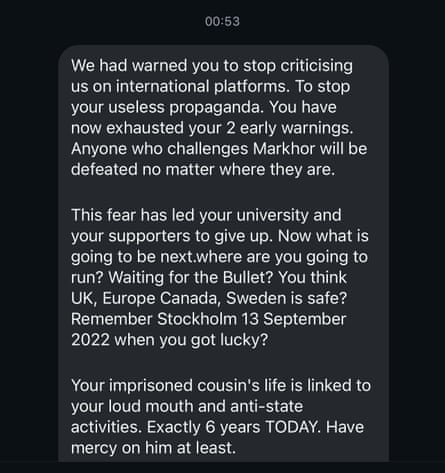
In November 2025, Khattak says he received a message on Instagram saying, “we had warned you to stop criticising us on international platforms” and “stop playing into hands of enemies or else you will be killed no matter where you are”.
The message also included details of Pakistan mobile numbers belonging to him and his father, and his Pakistan passport and ID card. “Where are you going to run?” the message on Instagram said. “Don’t forget even Cambridge and UK is not safe,” it added. “Don’t be stupid.”
Khattack says he always looks over his shoulder when leaving the house to see if he is being followed, or if anyone nearby is acting strangely. “It is next to impossible dealing with the police in the UK … Either they mock you or they’re like, who are you? Or what is Balochistan? Is it in Qatar? They’re sort of turning a blind eye … They don’t want to name Pakistan an offender.”
A spokesperson at the Pakistan high commission said: “Pakistan firmly rejects any malicious suggestions that it engages in transnational repression or unlawful activities anywhere in the world, including the United Kingdom.”
The biggest perpetrator in recent years is Iran, with multiple Iranian activists, journalists, academics and students telling the Guardian they had faced threats, surveillance or intimidation on British soil, which they believed were linked to Iran.
For Nahid Bahmani, a member of the central committee and political bureau of Komala, the Kurdish opposition party, the threat has meant years of forced impermanence. Last year, police informed her husband Abdullah Mohtadi, the party’s secretary general, that they had foiled a terrorist plot against him. They have had to move house every few years.
“This is not simply a physical relocation,” says Bahmani. “It creates a deep psychological insecurity. You never feel that you belong anywhere. You always feel that everything is temporary.”
Although they had gone through greater physical danger in Iran, says Bahmani, insecurity in exile felt different: “In Iran, we could draw on social and emotional networks, while in Britain we were often left with only our homes and the police.”
All those interviewed say they had been in contact with police or counter-terrorism officers and had received safety advice, including installing CCTV, avoiding going out alone at night, not sharing locations on social media, and even changing their car and home.
But Izzy Cutts, policy and parliamentary affairs manager at the Foreign Policy Centre, says there were “big gaps around incidents that fall below the criminal threshold”, which she says was leaving communities and individuals “very scared”.
“I am in a permanent state of anxiety, and anxiety creates paranoia,” says one Iranian activist living in London. “At night, any noise sends me straight to check my CCTV. If a car drives behind me for too long, I think it is following me. I avoid staying out late and often turn down invitations from people I don’t know well. You impose limitations on your normal life so that you can stay safe.”
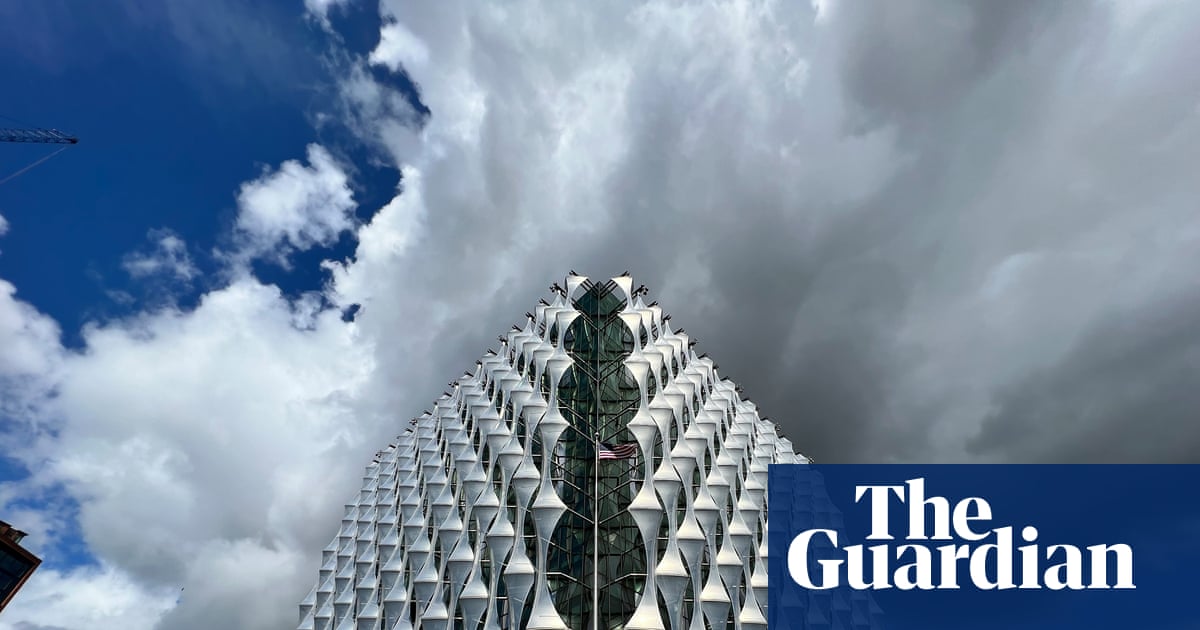
Alicia Kearns, Conservative MP and former chair of the foreign affairs committee, accuses the Labour government of “rewarding one of the states most responsible” for the issue by granting the Chinese Communist party, a new embassy in London “despite their illegal campaign of repression” on Hongkongers in the UK.
As well as this week’s China spy case, in the past Hong Kong protesters have also allegedly been attacked in the UK by Chinese activists.
“Hostile dictatorships are increasingly seeking to impose their own repression on British shores. There is no acceptable level of transnational repression. Every individual, organisation – and ultimately state – responsible, must be held to account,” says Kearns.
A Home Office spokesperson said attempts by a foreign state to coerce, intimidate, harass, or harm individuals on UK soil are considered a threat to our national security, and will never be tolerated.
“We continually assess potential threats and, whenever they are identified, we will take appropriate measures to mitigate risks to individuals, working closely with the police and intelligence services.”